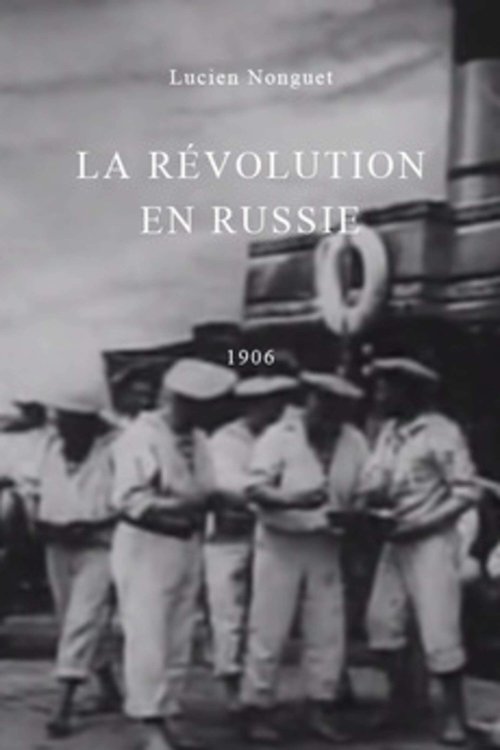
Revolution in Russia
1905
No user ratings available yet
Representation score: 2.6 out of 10
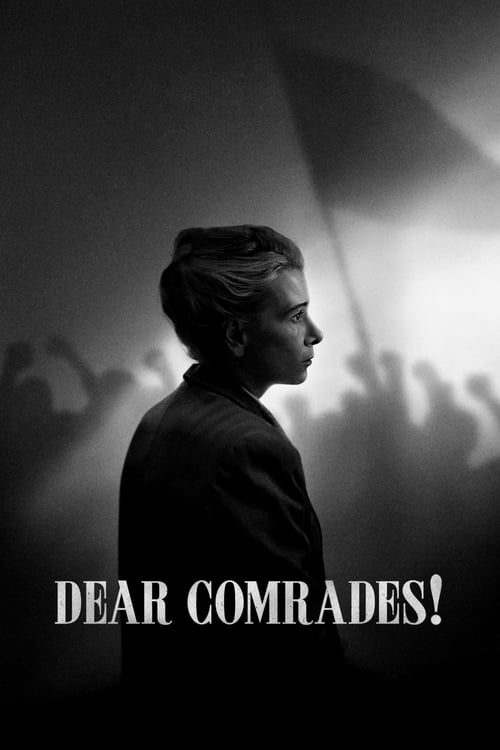
Representation Score
Fair
2020
Director
Andrei Konchalovsky
Runtime
121 minutes
Average Rating
No ratings yetNew Showbiz Analysis
Dear Comrades! is a historical drama that prioritizes ideological and class conflict over demographic diversity. While it lacks representation for LGBTQ+ individuals, various ethnic groups, or people with disabilities, it excels in its intellectual depth regarding systemic power. The film's strength lies in its cultural critique, deconstructing how totalitarian institutions erode individual identity. It uses the historical setting to explore the corruption of authority and the mechanics of state indoctrination. However, the film remains demographically narrow. By focusing on the homogeneity of the 1930s Soviet era, it misses opportunities to present a more diverse range of human experiences beyond the central political struggle.
Category Breakdown
The film focuses on the strict regulations of the 1930s Soviet state. There are no documented queer narratives or non-traditional gender identities within this highly controlled social framework.
The narrative highlights traditional gender roles of the era. However, it delves into the conflicts that arise when female characters try to assert themselves against the rigid structures of society.
The cast is mainly uniform, reflecting the demographics of the 1930s Soviet Union. The film emphasizes class and ideological identity over racial or ethnic diversity.
The film provides a sophisticated look at how power dynamics and propaganda shape reality. It examines the tension between personal truth and the state's constructed morality.
There is no significant portrayal of characters with visible or invisible disabilities having ability to act. The narrative centers on ideological fervor rather than addressing neurodivergence or physical disabilities.
Present on Screen
Limited or Absent
Official Synopsis
When the communist government raises food prices in 1962, rebellious workers from the small industrial town of Novocherkassk go on strike. The massacre that ensues is seen through the eyes of a devout party activist.
1905
2017
1966
2018
1954

2018
1955
1995
No reviews yet. Be the first to share your thoughts on this movie!
Use the rating form above to leave a star rating and optional review.