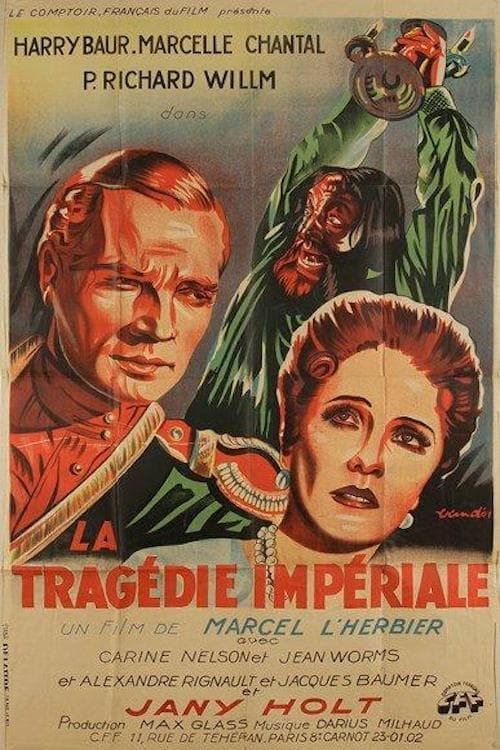
Rasputin
1938
No user ratings available yet
Representation score: 4.6 out of 10

Representation Score
Limited
1981
Director
Elem Klimov
Runtime
142 minutes
Average Rating
No ratings yetNew Showbiz Analysis
Agony is a historical drama that prioritizes the deconstruction of power hierarchies over contemporary demographic representation. It functions less as a study of individual identity and more as an analysis of systemic decay. The film lacks diverse representation regarding race and gender identity, remaining anchored to the historical Slavic demographics of the Russian Imperial era. However, it succeeds in challenging the sanctity of traditional institutions. Ultimately, the work explores how institutional corruption and social inequality influence a nation's trajectory, using the collapse of the Romanov dynasty to examine the erosion of autocratic authority.
Category Breakdown
The film focuses on the historical interpersonal dynamics of the Romanov court and Rasputin's mystical influence. There is no presence of LGBTQ+ identities or narratives addressing the assumption that everyone is straight or cisgender.
Empress Alexandra serves as a central driver of political instability, though her role is tied to maternal archetypes. The film depicts a rigid patriarchal hierarchy and its psychological impact on women.
Set in Imperial Russia, the cast is predominantly Slavic to reflect the era's demographics. The narrative maintains a homogeneous portrayal of the ruling class without non-European ethnic groups.
The film critiques monarchical institutions by portraying the aristocracy in a state of moral decay. It uses religious mysticism to complicate institutional morality and highlight social fragmentation.
The physical vulnerability of Tsarevich Alexei serves as a central plot device to drive political tension. The portrayal uses illness primarily as a tool for narrative momentum.
Present on Screen
Limited or Absent
Official Synopsis
As an adviser to the emperor Nicholas II, mystic Grigori Rasputin holds great influence over the empire. However, many in St Petersburg begin to regard Rasputin, with his strange practices and mesmerizing qualities, as a liability and plot his assassination. When Rasputin, known to many as the 'Mad Monk', leads Nicholas to embrace an ill-conceived military strategy, a group of determined conspirators set down a plan to eliminate him.
1938

1958
1996
1973
1991
1971
1986
1979
No reviews yet. Be the first to share your thoughts on this movie!
Use the rating form above to leave a star rating and optional review.