
Rasputin
1938
No user ratings available yet
Representation score: 4.6 out of 10
Representation Score
Minimal
1918
Director
Yakov Protazanov
Runtime
112 minutes
Average Rating
No ratings yetNew Showbiz Analysis
Father Sergius is a psychological drama that emphasizes institutional critique over demographic diversity. While it lacks representation for LGBTQ+ identities and racial diversity, it provides a nuanced exploration of the tension between personal identity and religious expectations. The film's strength lies in its critique of Orthodox institutions, moving beyond simple piety to examine the complexities of human nature against sacred vows. However, the narrative remains confined by its historical context, focusing on a homogeneous social landscape and traditional gender roles where women primarily serve as catalysts for male transformation.
Category Breakdown
The film centers on heterosexual romantic conflicts and the tension of monastic celibacy. There are no queer narratives or non-cisgender identities represented.
Female characters disrupt the patriarchal order, acting as catalysts for the protagonist's crisis. However, the narrative presents female presence as a disruptive force to male spiritual stability.
Set within a homogeneous ethnic landscape of the Russian Empire, the film lacks diverse casting or race-bending, reflecting its specific cultural context.
The film critiques religious hypocrisy and institutional dogma, portraying the monastery as a site of psychological struggle rather than a source of moral clarity.
There are no visible depictions of physical or neurodivergent disabilities that drive the narrative or serve as central character traits.
Present on Screen
Limited or Absent
Official Synopsis
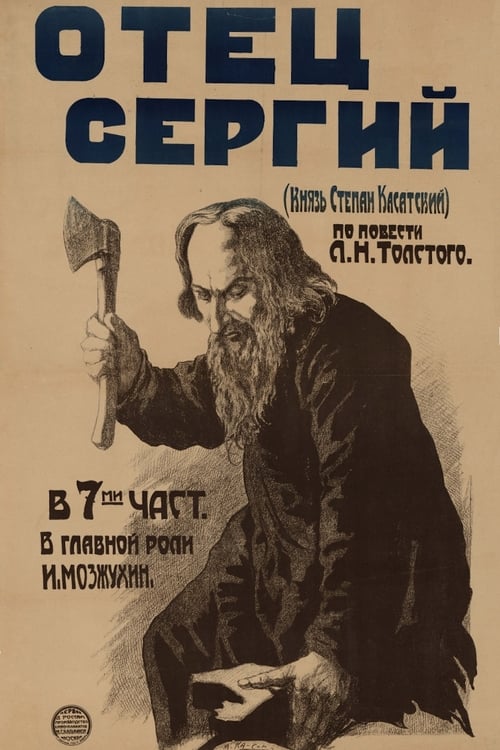
The story of Prince Stepán Kasátsky discovering his fiancée was the mistress of the Czar, so he then becomes a monk.
1938

1954

1920

1934

1981

1937
1978

1934
No reviews yet. Be the first to share your thoughts on this movie!
Use the rating form above to leave a star rating and optional review.