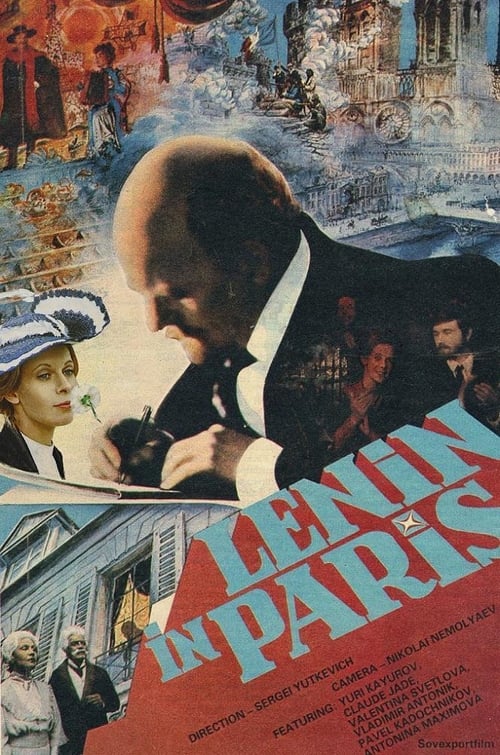
Lenin in Paris
1981
No user ratings available yet
Representation score: 3.5 out of 10
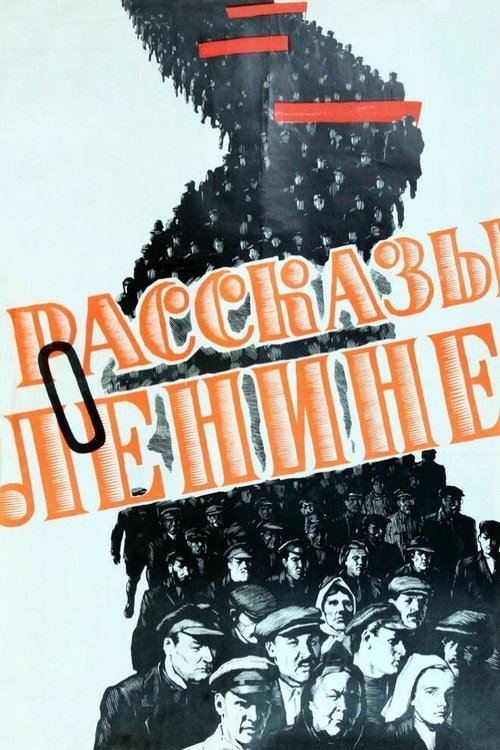
Representation Score
Limited
1957
Director
Sergei Yutkevich
Runtime
115 minutes
Average Rating
No ratings yetNew Showbiz Analysis
Stories About Lenin serves as a historical tribute designed for ideological education. It achieves its cultural mission by critiquing traditional Western and religious institutions through the lens of class struggle. However, the film's impact is constrained by its adherence to mid-20th-century social hierarchies. It prioritizes the collective identity of the proletariat over individualistic or identity-based representation, offering limited space for modern multi-layered complexities. Ultimately, the film's strength lies in its radical critique of existing social orders, even as it upholds traditional gender and social structures within its narrative.
Category Breakdown
The film does not depict any LGBTQ+ identities or non-straight relationships. The narrative focuses solely on the revolutionary struggle and Lenin's life.
Women appear as part of the revolutionary movement, but leadership roles are mostly held by men, reinforcing a male-dominated political structure.
The film centers the ability to act of the Slavic working class and peasantry, rather than Western dominance. It lacks the complexity of modern cinema in representing diverse racial backgrounds.
The narrative strongly criticizes capitalism, the monarchy, and the Orthodox Church as oppressive systems. It emphasizes secularism and Marxist ideology as tools for historical liberation.
There are no characters with visible or invisible disabilities. The focus remains on the political and ideological aspects of the revolutionary movement.
Present on Screen
Limited or Absent
Official Synopsis
Two stories ("The feat of the soldier Mukhin", "The Last Autumn"). The events of one concern 1917, when Lenin had to hide in Finland, the second takes place in 1923-1924 during the last months of his life in Gorki.
1981
2020
1938
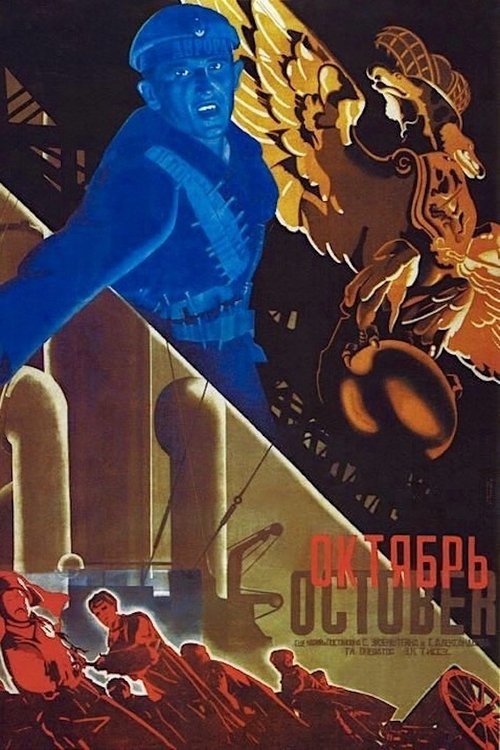
1928
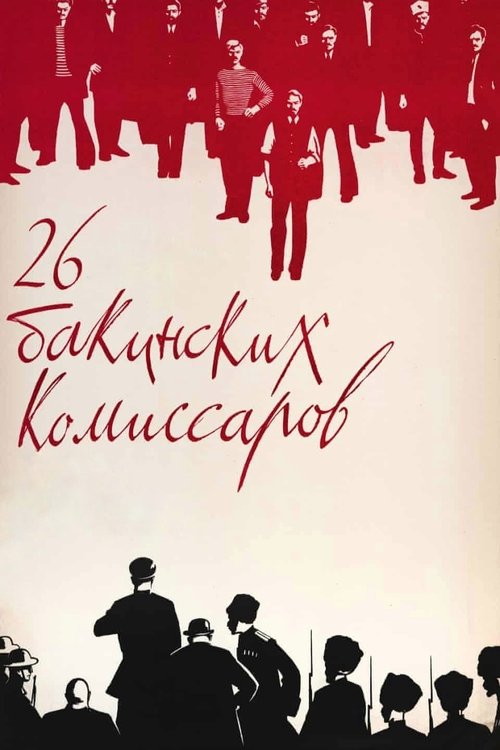
1966
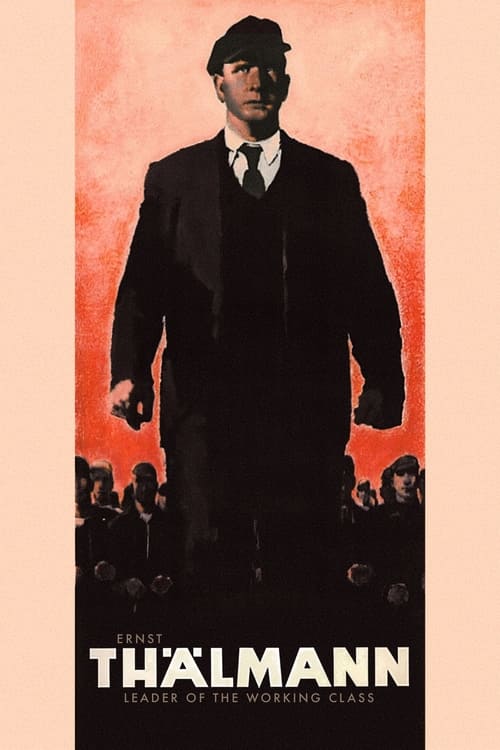
1955
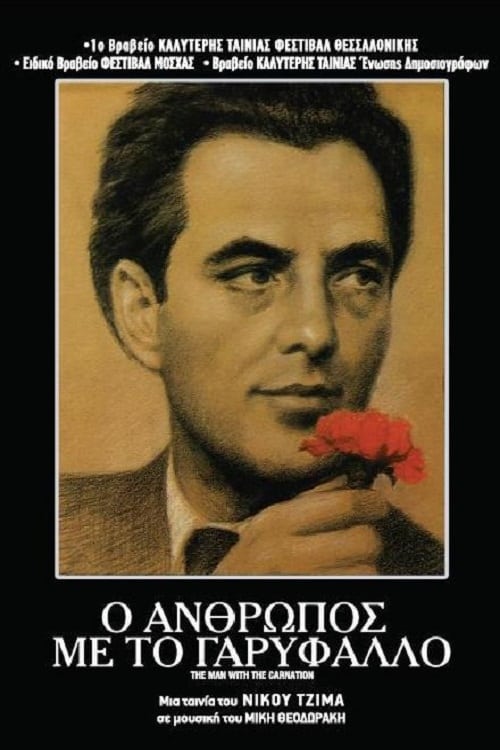
1980
1954
No reviews yet. Be the first to share your thoughts on this movie!
Use the rating form above to leave a star rating and optional review.