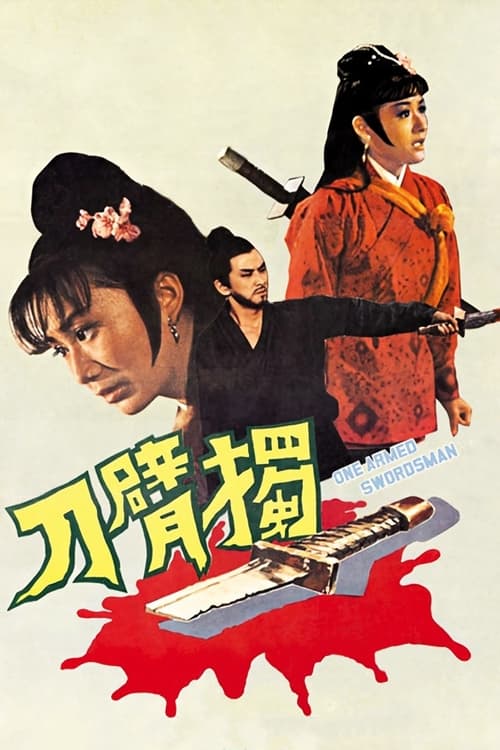
The One-Armed Swordsman
1967
No user ratings available yet
Representation score: 3.7 out of 10
Representation Score
Fair
1971
RDirector
Chang Cheh
Runtime
102 minutes
Average Rating
No ratings yetNew Showbiz Analysis
The film focuses on masculine ability to act and physical resilience. It effectively portrays the protagonist's disability as a source of specialized combat strength and character growth. However, the narrative lacks diverse representation, particularly in gender and LGBTQ+ identities. The story is heavily male-centric and utilizes female characters primarily as catalysts for male action.
Category Breakdown
The film follows traditional wuxia structures and focuses on heterosexual relationships. There is no depiction of non-binary gender identities or same-sex relationships.
The story is dominated by male characters and focuses on their actions. Female characters are mostly used as catalysts for male action rather than driving the plot themselves.
The film emphasizes East Asian identity and martial traditions within a specific Chinese historical context. It avoids Western whitewashing by maintaining a localized cultural perspective.
The story highlights themes of personal honor and vigilante justice, often opposing formal state institutions. It prioritizes individual ability to act and revenge over systemic order.
The protagonist's amputation is portrayed as a catalyst for character development and martial skill. The film presents disability as a source of specialized strength and resilience.
Present on Screen
Limited or Absent
Official Synopsis
Lei Li lost his right-arm in a sword duel with the master of a martial arts school, long ago. Now, he is able to defend himself well with just his left arm, and kung fu techniques. That he proves with just the help of his friend Chung-Chieng, when he crosses his path with a beautiful girl in need, Pao Chiao. Even against impossible odds, he will prove a great warrior.
1967
1978
1969
1980

1976

1976
1972
1971
No reviews yet. Be the first to share your thoughts on this movie!
Use the rating form above to leave a star rating and optional review.