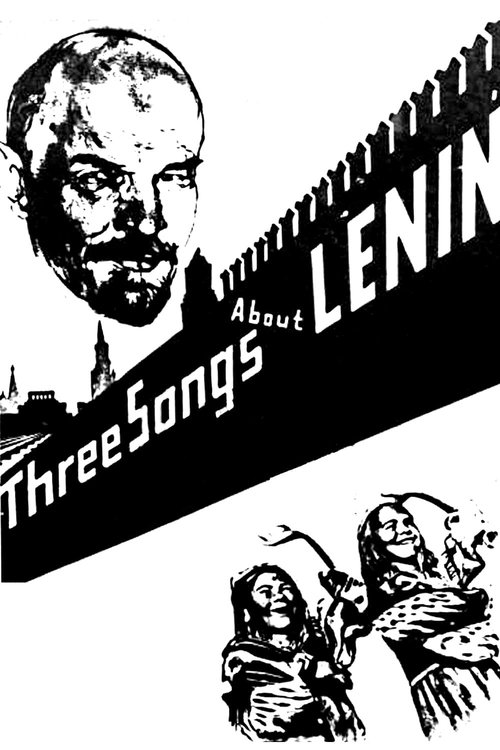
Three Songs About Lenin
1934
No user ratings available yet
Diversity score: 4.7 out of 10
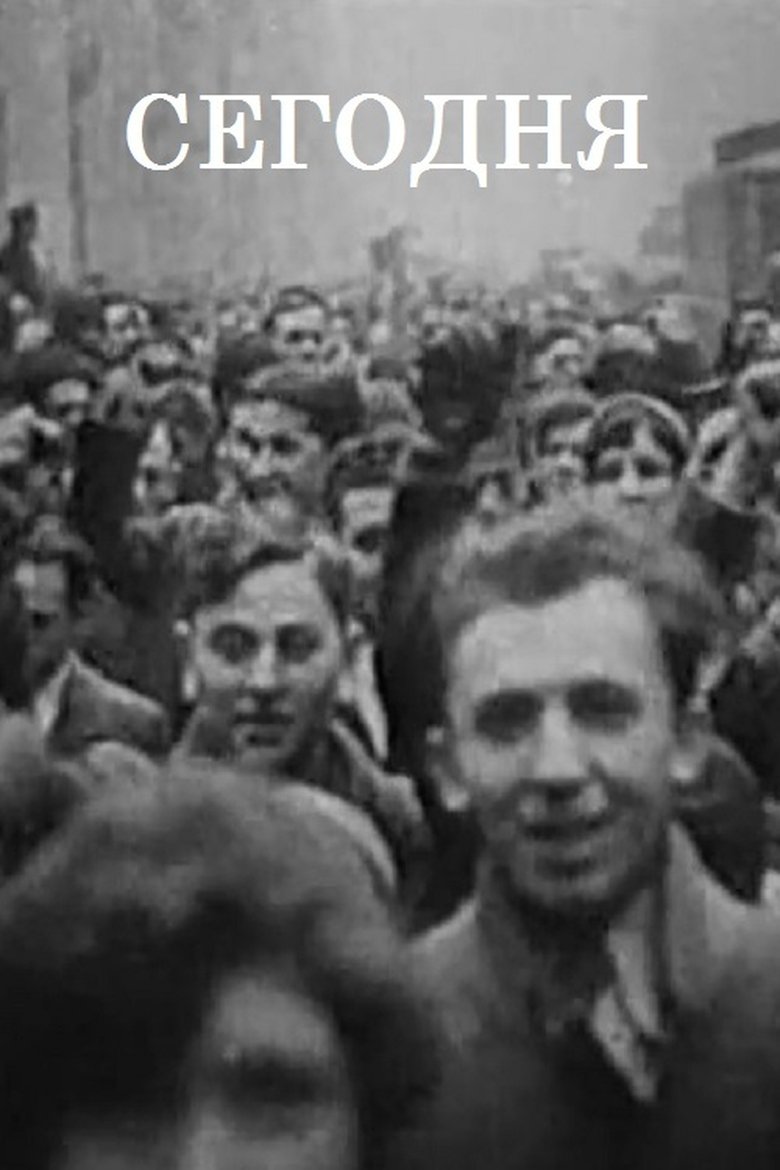
1929
Director
Esfir Shub
Runtime
65 minutes
Average Rating
No ratings yetSynopsis
A visual composition of the world.
Overall Score
Good
Category Breakdown
LGBTQ+ Representation
The film contains no documented depictions of LGBTQ+ identities or non-heteronormative relationships. The focus remains strictly on the collective labor force and socio-economic structures.
Gender Representation
Shub disrupts traditional hierarchies by emphasizing women's mobilization in industrial and agricultural sectors. The montage highlights female agency and participation in the labor force rather than domestic roles.
Racial & Ethnic Diversity
The visual composition captures a multi-ethnic tapestry of Soviet republics through the faces of the peasantry. These identities are framed through collective utility rather than individual ethnic nuance.
Religious & Cultural Diversity
The film promotes a secular, state-driven industrialism that critiques Western economic models. It prioritizes the deconstruction of religious influence and old class hierarchies in favor of socialist production.
Disability Representation
There is no significant portrayal of neurodivergence or physical disabilities. The thematic structure focuses on the idealized, able-bodied laborer as the primary engine of industrial progress.
Strengths
Areas for Improvement
AI Analysis
Esfir Shub’s *Today* is a rhythmic visual essay that prioritizes the proletariat and the systemic reorganization of society. It succeeds in challenging traditional gender roles and Western capitalist frameworks by centering the worker and the collective. However, the film's focus on the idealized, able-bodied laborer leaves no room for disability representation. Similarly, the ideological push for a unified class identity often submerges specific ethnic nuances under a broader Soviet framework. Ultimately, the work is a radical deconstruction of social hierarchies. While it lacks specific representation for LGBTQ+ identities or disability, its systemic approach to gender and culture is progressive for its era.
1934
1926
1927
1925
1924
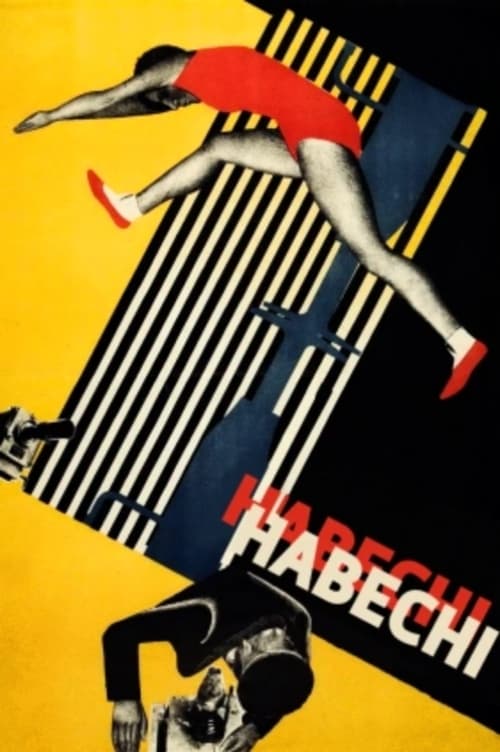
1929
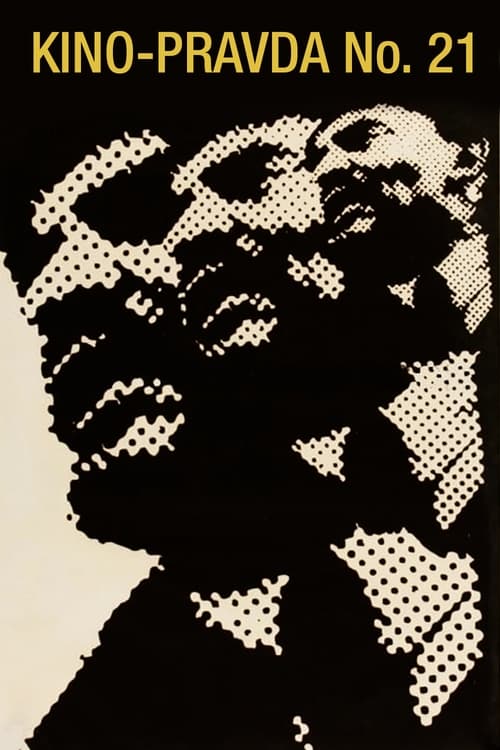
1925
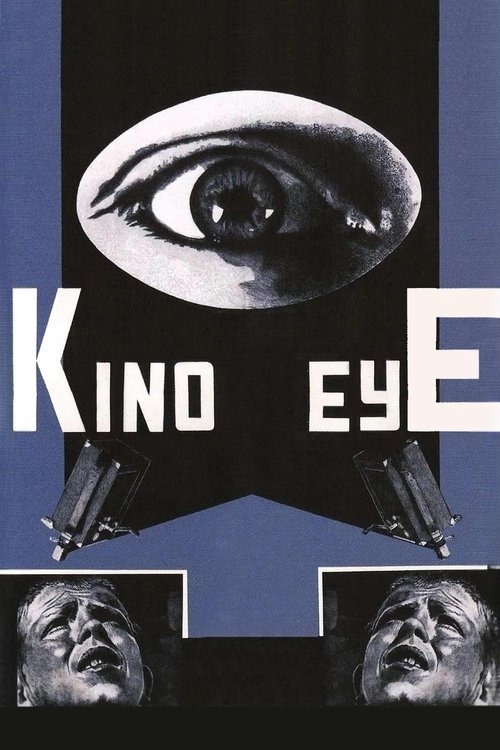
1924
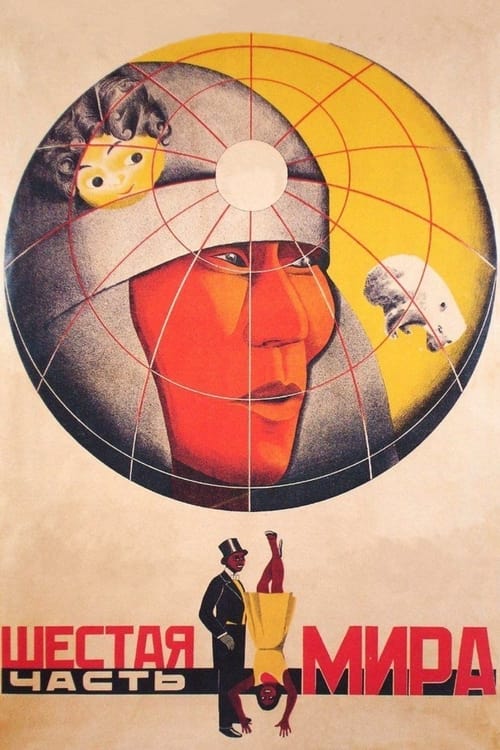
1926
1930

2005

1929
No reviews yet. Be the first to share your thoughts on this movie!
Use the rating form above to leave a star rating and optional review.