
Anniversary of the Revolution
1918
No user ratings available yet
Diversity score: 4.0 out of 10
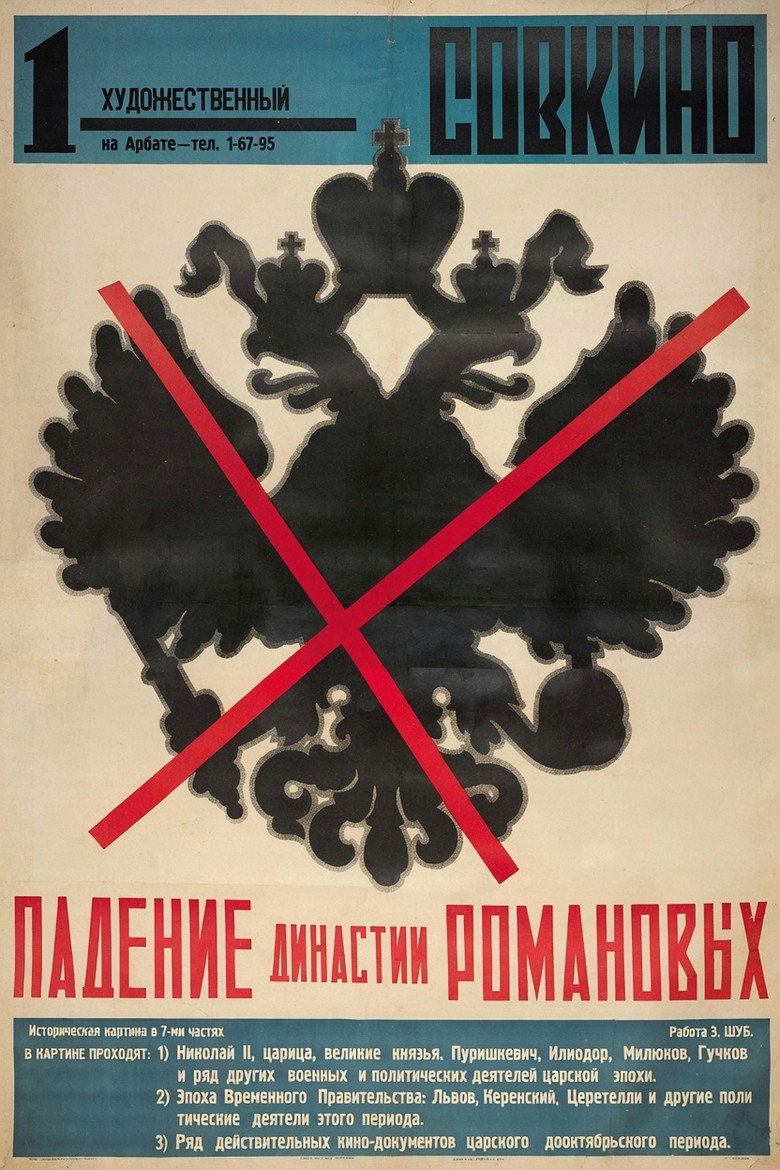
1927
Not RatedDirector
Esfir Shub
Runtime
87 minutes
Average Rating
No ratings yetSynopsis
A compilation of newsreels shot between 1913 and 1917 - the years leading up to the Russian Revolution.
Overall Score
Fair
Category Breakdown
LGBTQ+ Representation
The film focuses on the macro-movements of the Russian Revolution. There are no LGBTQ+ characters or narratives addressing non-cisnormative identities within the archival footage.
Gender Representation
Women are depicted as active participants in labor strikes and mass protests. This highlights their role in the revolutionary struggle rather than limiting them to domestic roles.
Racial & Ethnic Diversity
The footage captures the diverse ethnic strata of the Russian Empire. It emphasizes the class distinctions between the Slavic aristocracy and the multi-ethnic peasantry.
Religious & Cultural Diversity
The film deconstructs the sanctity of the monarchy and divine right. It frames the Romanov dynasty as a corrupt institution through a Marxist lens of class struggle.
Disability Representation
The archival footage contains no significant or intentional depictions of disability as a character trait or narrative device.
Strengths
Areas for Improvement
AI Analysis
Esfir Shub’s documentary is a masterclass in cinematic montage, using archival newsreels to reconstruct the collapse of Tsarist autocracy. It succeeds by juxtaposing aristocratic opulence against the systemic deprivation of the proletariat, effectively recontextualizing history through a socio-political lens. The film's strength lies in its cultural critique, dismantling traditional hierarchies and prioritizing collective identity. By centering the agency of the masses, it provides a powerful anti-monarchical narrative that challenges established state structures. However, the work is limited by its historical scope. The focus on macro-political movements means that individual identities, such as LGBTQ+ or specific disability narratives, are absent from the archival record.
1918
2017
1994
2014
2019
2022

1975

2017

1962

1921

1961
1962
No reviews yet. Be the first to share your thoughts on this movie!
Use the rating form above to leave a star rating and optional review.