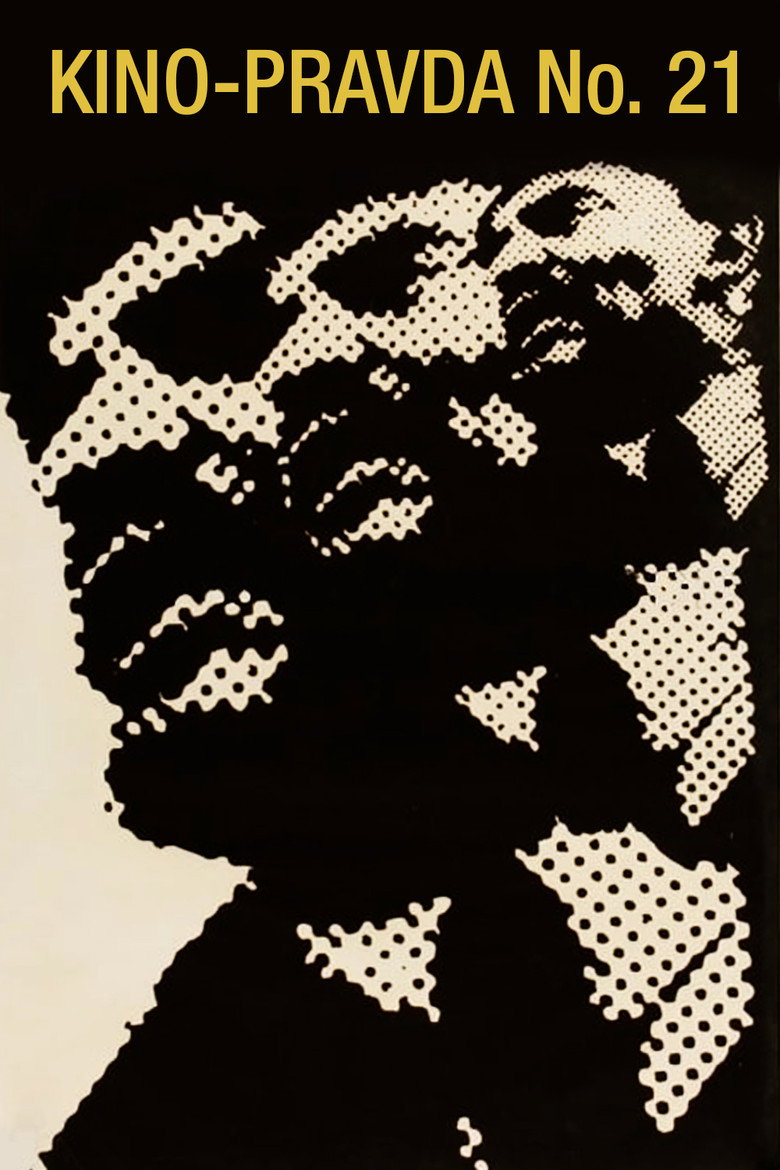
Kino-pravda no. 18
1924
No user ratings available yet
Diversity score: 6.1 out of 10
1925
Director
Dziga Vertov
Runtime
33 minutes
Average Rating
No ratings yetSynopsis
Dziga Vertov-directed Soviet newsreel made to commemorate the first anniversary of the death of Vladimir Ilich Lenin (21st January 1924 - 1925) drawn from 'The Final Journey', a Pravda feuilleton written on the occasion of Lenin's funeral by the man who had introduced Vertov to cinema, Mikhail Koltsov. Contains: First anniversary of Lenin's death: 1. Assassination attempt on Lenin and Soviet Russia's progress under his leadership / 2. Lenin's illness, death and funeral / 3. The year after Lenin's death
Overall Score
Good
Category Breakdown
LGBTQ+ Representation
The film contains no depictions of LGBTQ+ identities or non-cisnormative gender expressions. The focus remains strictly on the collective proletariat and Lenin's political legacy.
Gender Representation
Women are portrayed as active participants in the Soviet social order rather than being relegated to domestic roles. The film emphasizes female agency within the industrial workforce and revolutionary struggle.
Racial & Ethnic Diversity
A class-first framework de-emphasizes individual ethnic distinctions in favor of a unified proletariat. While promoting political solidarity, the film lacks nuanced depictions of specific diverse ethnic groups.
Religious & Cultural Diversity
The work functions as a critique of Western monarchical and capitalist structures. It prioritizes secularism and historical materialism, framing religious institutions as vestiges of an oppressive old world.
Disability Representation
There is no discernible representation of physical or neurodivergent disabilities. The film focuses on the idealized, productive strength of the working class and the political figure of Lenin.
Strengths
Areas for Improvement
AI Analysis
Dziga Vertov’s documentary newsreel constructs a revolutionary mythos by prioritizing class identity over traditional social structures. It succeeds in subverting patriarchal domesticity by showcasing women as integral parts of the industrial and political movement. However, the film's commitment to an idealized, productive proletariat results in the total exclusion of LGBTQ+ identities and disability representation. Its approach to ethnicity is monolithic, favoring a unified worker identity over specific cultural plurality. Ultimately, the film's strength lies in its aggressive deconstruction of Western institutional authority and its promotion of anti-capitalist frameworks, which provides a progressive narrative architecture for its era.
1924
1923
1922
1925
1924
1926

1929
1934
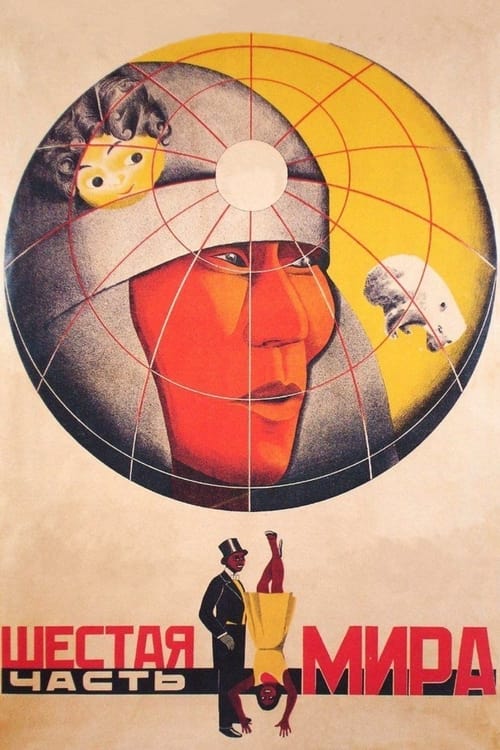
1926
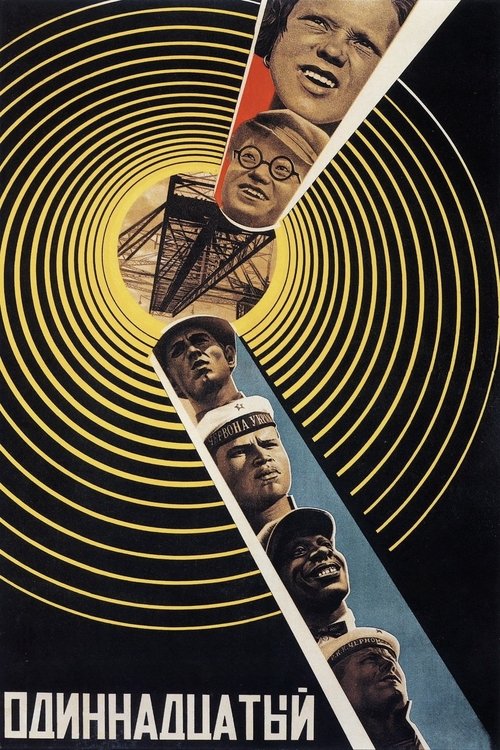
1928
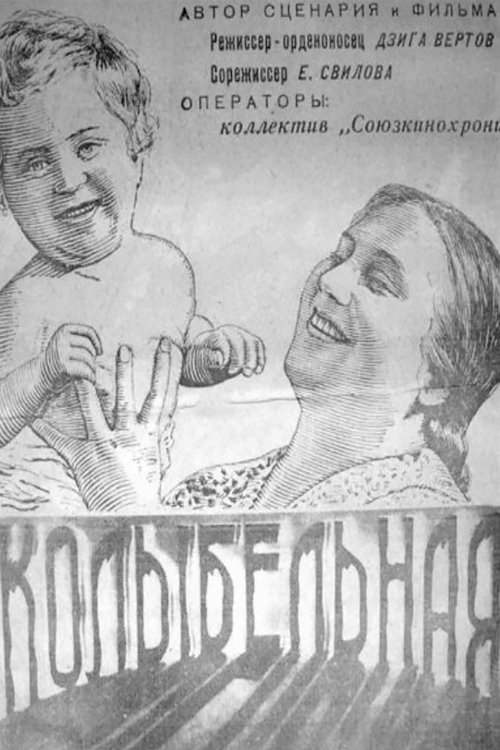
1937
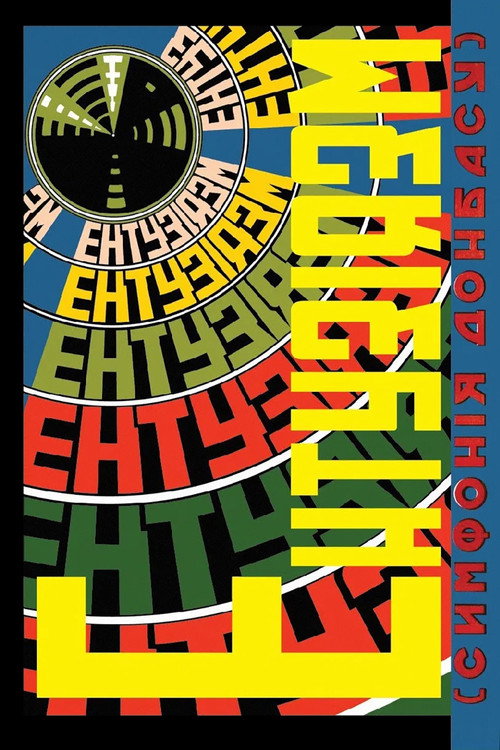
1930
No reviews yet. Be the first to share your thoughts on this movie!
Use the rating form above to leave a star rating and optional review.