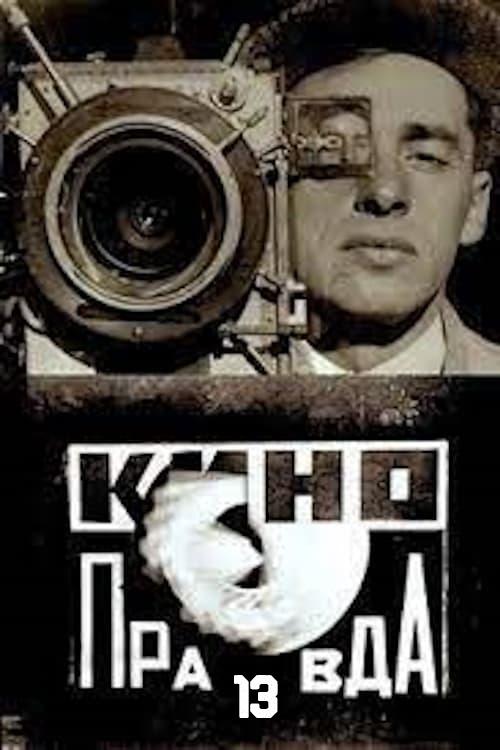
Kino-Pravda No. 13: Yesterday, Today, Tomorrow. A Film Poem Dedicated to the October Revolution
1922
No user ratings available yet
Representation score: 6.8 out of 10

Representation Score
Fair
1934
Not RatedDirector
Dziga Vertov
Runtime
61 minutes
Average Rating
No ratings yetNew Showbiz Analysis
Dziga Vertov’s documentary uses rhythmic editing to create a vision of the Soviet collective. It successfully dismantles traditional hierarchies by emphasizing the proletariat and presenting a multi-ethnic, class-based identity. However, the film’s focus on the 'machine-age' body and state mobilization leads to a lack of representation for LGBTQ+ individuals and those with disabilities. The narrative emphasizes standardized physical capability over individual identity nuances. Ultimately, the film offers a critical view of Western capitalist and religious structures, replacing them with a unified, secular, and industrial social order.
Category Breakdown
The film doesn't depict any LGBTQ+ identities or queer stories. The focus is solely on industrial labor and state ideology.
Women are shown as active and capable workers in the industrial sector. This approach challenges traditional patriarchal structures by highlighting women's roles.
Vertov uses montage to show the diverse ethnic makeup of the Soviet Union. Different ethnic groups are presented as part of a unified, international working class.
The film celebrates the rejection of religious and capitalist systems. It promotes Marxist-Leninist ideology as a progressive alternative to traditional Western social orders.
The film does not address disability or neurodivergence. It focuses on a standardized view of physical ability suitable for industrial work.
Present on Screen
Limited or Absent
Official Synopsis
This documentary, made up of 3 episodes, is based on three songs sung by anonymous people in Soviet Russia about Vladimir Ilyich Lenin.
1922

1929
1923
1935
1922
1922
1919
1922
No reviews yet. Be the first to share your thoughts on this movie!
Use the rating form above to leave a star rating and optional review.