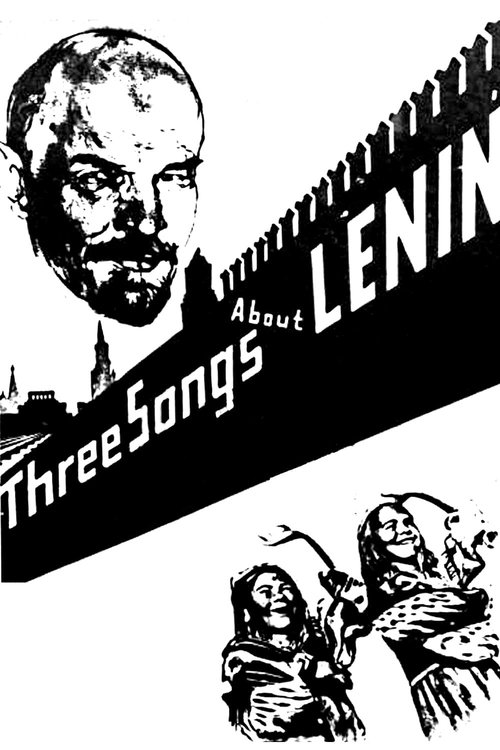
Three Songs About Lenin
1934
No user ratings available yet
Diversity score: 4.7 out of 10
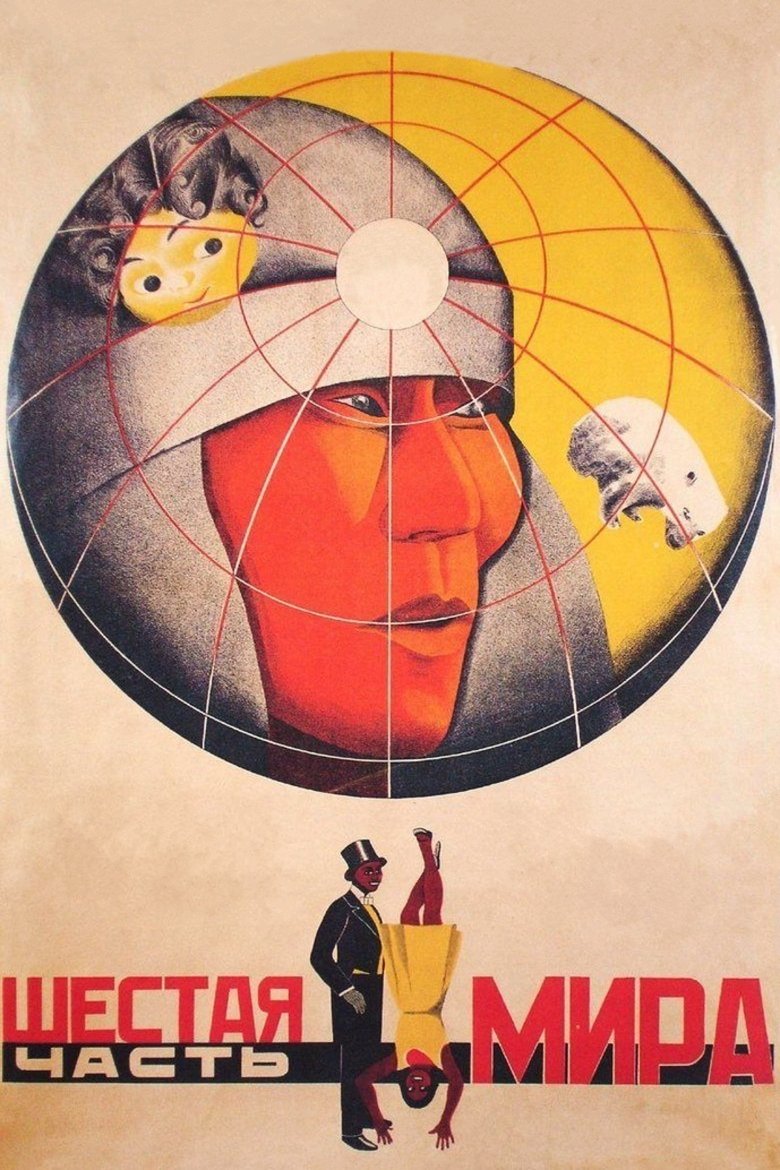
1926
Director
Dziga Vertov
Runtime
75 minutes
Average Rating
No ratings yetSynopsis
Through the travelogue format, it depicts the multitude of Soviet peoples in remote areas of USSR and details the entirety of the wealth of the Soviet land. Focusing on cultural and economic diversity, the film is in fact a call for unification in order to build a "complete socialist society".
Overall Score
Good
Category Breakdown
LGBTQ+ Representation
The film functions as a documentary essay focused on industrial and geographic breadth. There is no evidence of LGBTQ+ characters or narratives addressing non-heteronormative identities.
Gender Representation
The narrative disrupts traditional domestic hierarchies by repositioning women within industrial and agricultural spheres. It emphasizes their agency as essential components of the collective labor force rather than focusing on domesticity.
Racial & Ethnic Diversity
The film excels in depicting the multi-ethnic composition of Soviet territories. It utilizes a travelogue format to showcase a vast array of ethnic groups and nationalities beyond a homogeneous perspective.
Religious & Cultural Diversity
The work prioritizes secularism and state-building over religious institutions. It celebrates collective ownership and the transition from agrarian traditionalism to industrial modernity as a progressive evolution.
Disability Representation
The film focuses heavily on the physical capabilities of the proletariat and industrial mechanics. However, there is insufficient evidence to determine the portrayal of individuals with disabilities.
Strengths
Areas for Improvement
AI Analysis
Dziga Vertov’s documentary is a radical exercise in cinematic deconstruction. It succeeds by dismantling Western-centric and capitalist social structures, replacing them with a vision of collective, multi-ethnic agency through the 'Kino-Eye' lens. The film's strength lies in its vast ethnic and cultural scope. By presenting a mosaic of diverse identities unified under a socialist framework, it moves far beyond the homogeneous perspectives common in traditional cinema. However, the work is limited by its narrow focus on industrial progress and state-building. This utilitarian lens results in a total absence of LGBTQ+ narratives and leaves disability representation unaddressed.
1934
1925
1926
1924
1924

1925
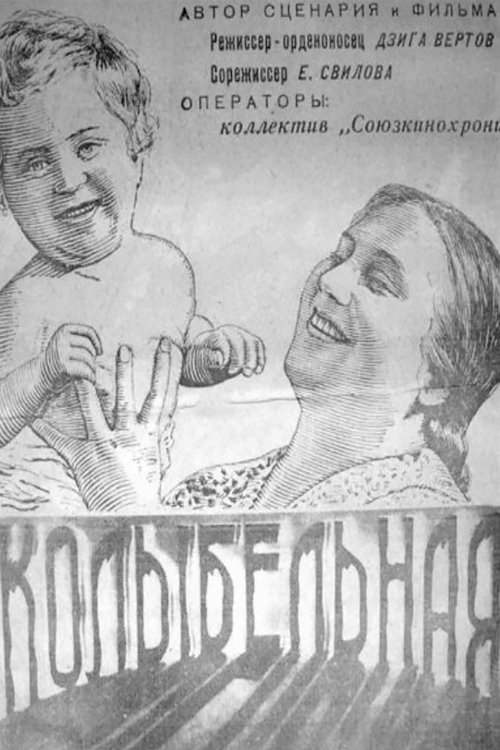
1937

1929
1923
1922
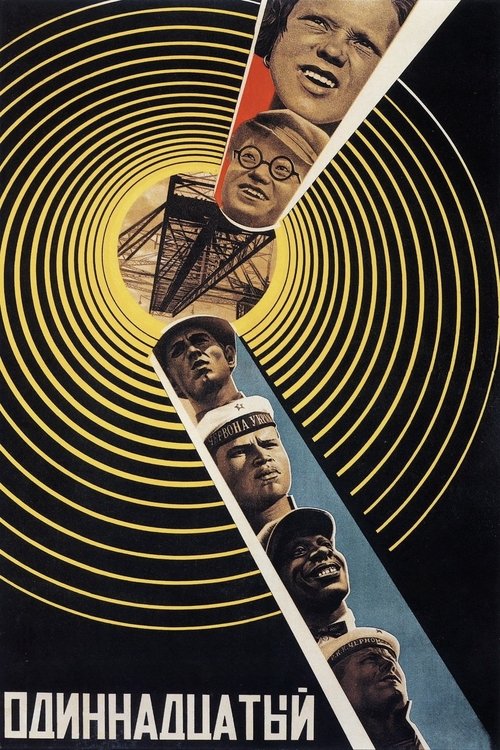
1928
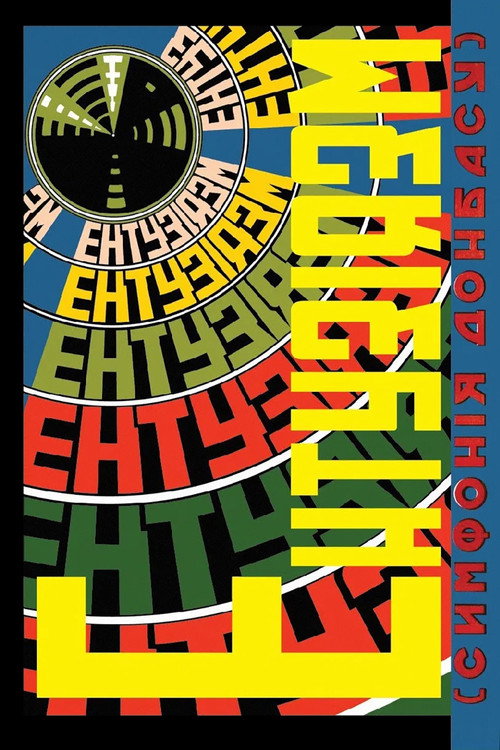
1930
No reviews yet. Be the first to share your thoughts on this movie!
Use the rating form above to leave a star rating and optional review.