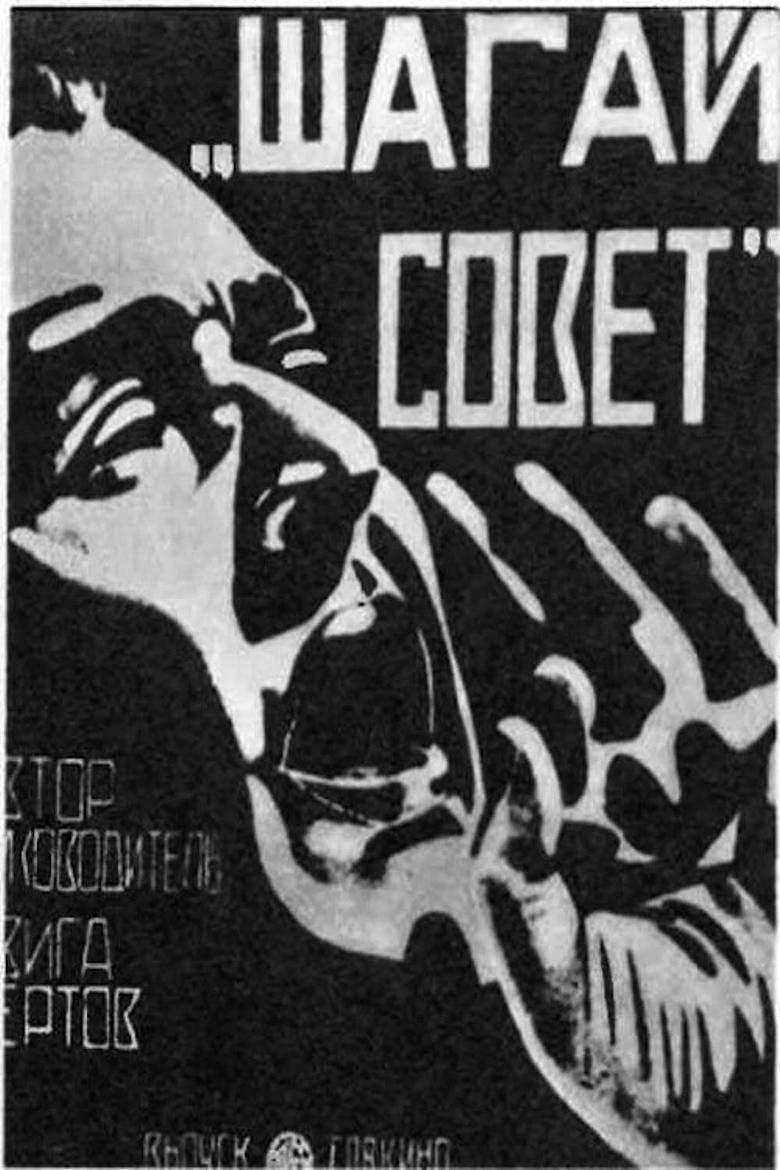
Kino-pravda no. 22: Lenin is Alive in the Heart of the Peasant. A Film Story
1925
No user ratings available yet
Diversity score: 6.2 out of 10
1926
Director
Dziga Vertov
Runtime
65 minutes
Average Rating
No ratings yetSynopsis
Commissioned by the Moscow Soviet as a documentary and information film for the citizens of Moscow prior to municipal elections, film is a tableau of Soviet life and achievements in the period of reconstruction following the Civil War of 1917-1921.
Overall Score
Good
Category Breakdown
LGBTQ+ Representation
The film contains no depictions of non-cisnormative identities or same-sex intimacy. Its focus on industrial and agricultural mobilization leaves no room for queer subtext.
Gender Representation
Women are presented as active, integral participants in the industrial workforce. The film avoids submissive tropes by framing gender through productive utility within the collective.
Racial & Ethnic Diversity
The film provides a visual survey of the multi-ethnic composition of the early Soviet Union. It uses diverse faces of workers to represent a unified proletariat class.
Religious & Cultural Diversity
The work prioritizes a secular, state-driven framework that de-emphasizes religious institutions. It celebrates the dismantling of old hierarchies in favor of socialist progress.
Disability Representation
There is no focus on disability or neurodivergence. The visual language prioritizes the rhythmic synchronization of healthy, able-bodied bodies to mirror industrial efficiency.
Strengths
Areas for Improvement
AI Analysis
Stride, Soviet! functions as a rhythmic, non-fiction tableau that celebrates collective labor over individualist storytelling. It succeeds in subverting traditional Western capitalist structures and religious hierarchies by promoting a secular, socialist reality. However, the film's commitment to the 'Kino-Eye' philosophy creates a narrow focus on able-bodied productivity. This emphasis on the efficient, synchronized body results in a total absence of representation for disabled or neurodivergent individuals. While the film offers a broad view of a multi-ethnic proletariat, it lacks specific exploration of individual identities. It prioritizes systemic class identity over the nuanced depiction of specific LGBTQ+ or ethnic experiences.
1925
1924
1924
1925
1934

1929
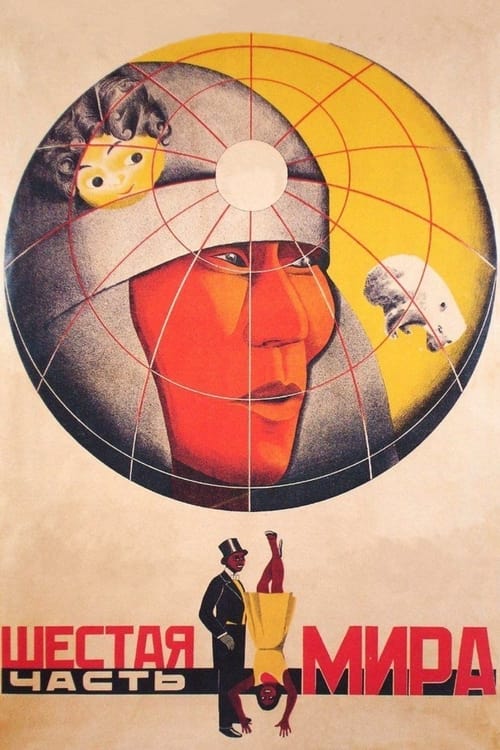
1926
1923
1922
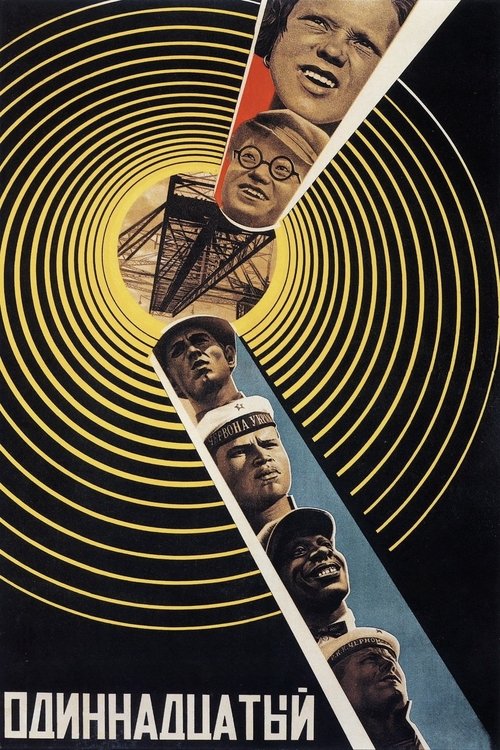
1928
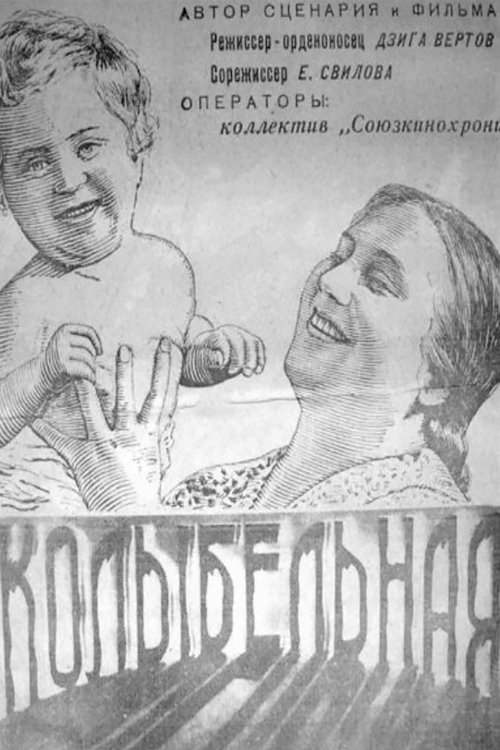
1937
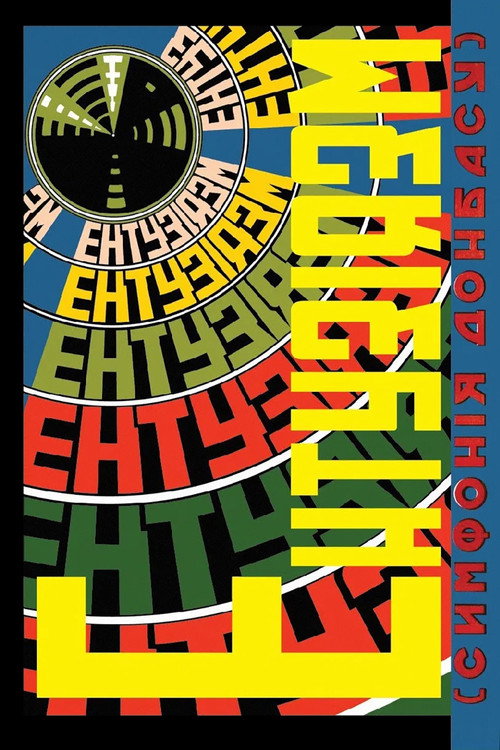
1930
No reviews yet. Be the first to share your thoughts on this movie!
Use the rating form above to leave a star rating and optional review.