
The Earth Sings
1933
No user ratings available yet
Representation score: 3.7 out of 10
Representation Score
Limited
1930
TV-14Director
Mikhail Kalatozov
Runtime
63 minutes
Average Rating
No ratings yetNew Showbiz Analysis
Salt for Svanetia serves as a vital ethnographic document that centers the Svan ethnic group, offering a rare look at an indigenous mountain community. Its strength lies in its cultural specificity and its role in documenting a massive shift from tribalism to collectivism. However, the film is constrained by the patriarchal social structures of 1930. While it shows women participating in new social organizations, the depiction remains tied to the labor requirements of the era. Ultimately, the film's diversity is defined by its rejection of Western-aligned norms in favor of a secular, communal framework, even as it lacks representation for LGBTQ+ identities or disability.
Category Breakdown
The film focuses on the communal and agrarian realities of a rural mountain village. There is no evidence of LGBTQ+ narratives or non-straight relationships within this ethnographic scope.
The film captures a society rooted in traditional patriarchal structures. However, it documents women's integration into a new collective order, moving them toward active roles in the village's shifting social organization.
This work provides an authentic depiction of the Svan ethnic group. By centering an indigenous mountain community, it avoids the homogeneous Western norms prevalent in global cinema.
The film portrays traditional mountain customs and religious superstitions as obstacles to progress. It prioritizes Soviet secularism and the transition to collective farming as a necessary social evolution.
There is no specific evidence regarding the portrayal of characters with visible or invisible disabilities within the available ethnographic context.
Present on Screen
Limited or Absent
Official Synopsis
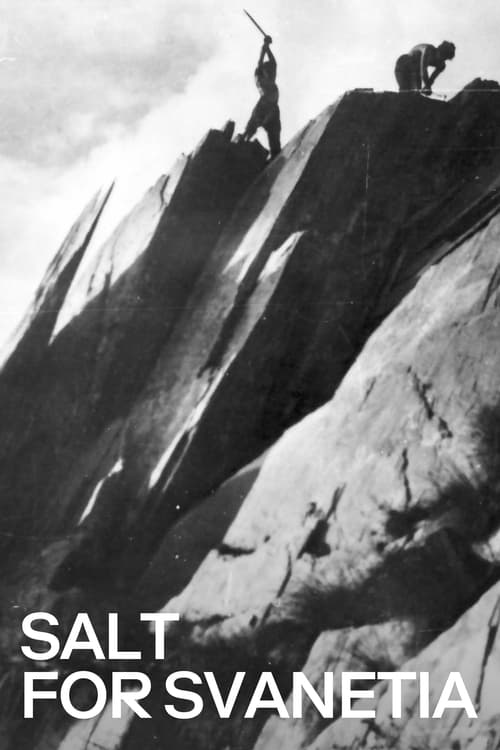
An ethnographic treasure that documents with visual bravado the harsh conditions of life in the isolated mountain village of Ushkul.
1933

1963

1958
2010
1925
1934

1933
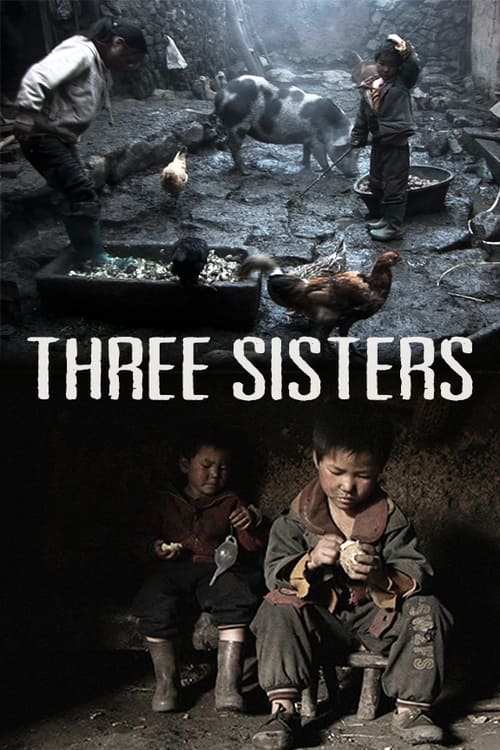
2012
No reviews yet. Be the first to share your thoughts on this movie!
Use the rating form above to leave a star rating and optional review.