
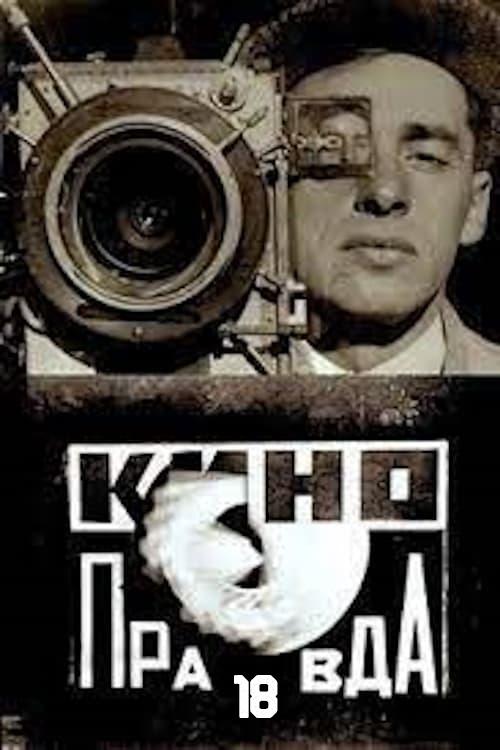
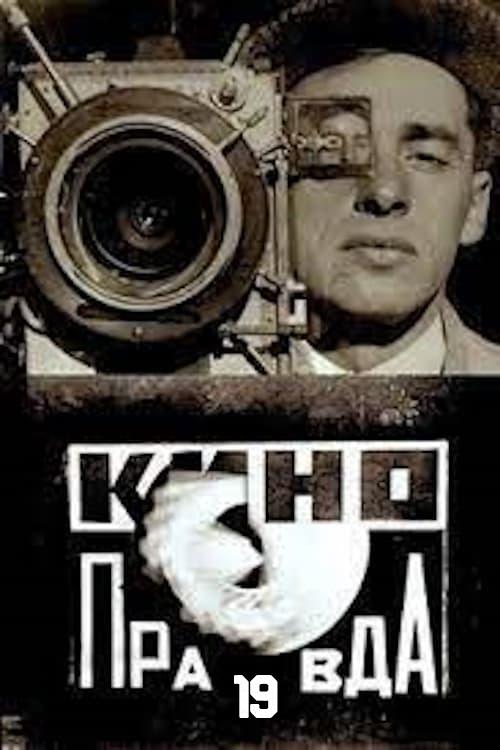
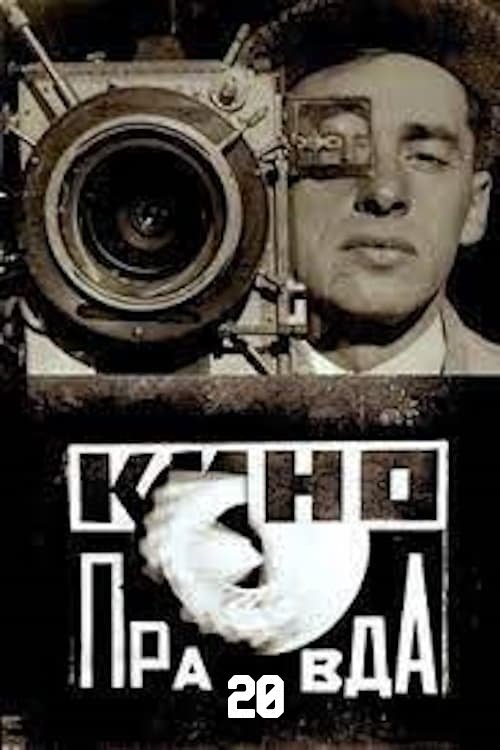
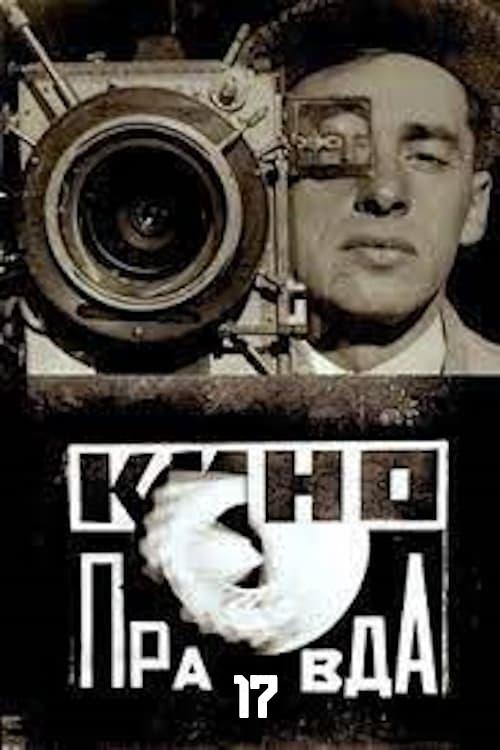
Kino-Pravda No. 10
1922
No user ratings available yet
Representation score: 4.3 out of 10
Representation Score
Fair
1924
Director
Dziga Vertov
Runtime
14 minutes
Average Rating
No ratings yetNew Showbiz Analysis
Dziga Vertov’s newsreel serves as a radical critique of traditional cinematic conventions. By focusing on the 'machine aesthetic' and the rhythms of the proletariat, the film challenges individualist and religious frameworks of its time. The work stands out in its cultural subversion, replacing Western bourgeois clichés with a communal, anti-capitalist celebration of the working class. It redefines the social unit from the nuclear family to the workers' collective. However, the film’s emphasis on industrial progress and broad class identity leads to a lack of specific representation for LGBTQ+ and disability identities. Its diversity is centered on ideological and class-based shifts rather than individual identity politics.
Category Breakdown
The newsreel focuses on Soviet social movements and industrial progress. There are no LGBTQ+ characters or non-conforming gender identities featured.
The film challenges traditional hierarchies by emphasizing the collective over the individual. Women are shown as vital contributors to the socio-economic system through their roles in the labor force.
The film showcases a wide range of Eurasian workers. It highlights a universal worker identity that avoids the racial hierarchies typical of Western colonial films from the 1920s.
The narrative criticizes Western bourgeois and religious institutions. It promotes a secular, materialist ideology and the communal spirit of the Soviet collective.
There is no notable focus on disability as a central theme or narrative device in this work.
Present on Screen
Limited or Absent
Official Synopsis
Dziga Vertov-directed Soviet newsreel covering: Up the Eiffel Tower in Paris / Moscow / Auto race Petrograd – Moscow / Aspects of everyday Soviet life / Peasant from Jaroslavl' visiting Moscow / Ceremonial introduction of a newborn into a workers' collective
1922

1929

1922

1927

1922
1924
1924
1923
No reviews yet. Be the first to share your thoughts on this movie!
Use the rating form above to leave a star rating and optional review.