
Kino-pravda no. 21
1925
No user ratings available yet
Diversity score: 6.1 out of 10
1924
Not RatedDirector
Dziga Vertov
Runtime
78 minutes
Average Rating
No ratings yetSynopsis
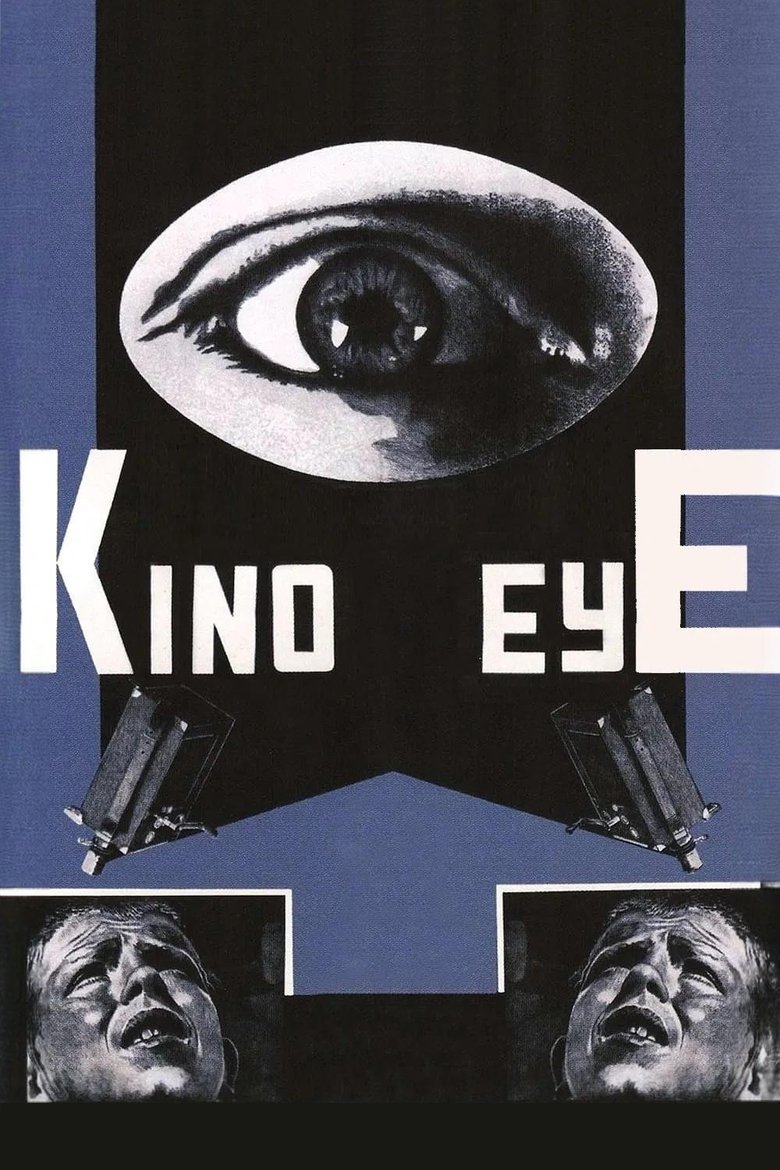
This documentary promoting the joys of life in a Soviet village centers on the activities of the Young Pioneers. These children are constantly busy, pasting propaganda posters on walls, distributing hand bills, exhorting all to "buy from the cooperative" as opposed to the Public Sector, promoting temperance, and helping poor widows. Experimental portions of the film, projected in reverse, feature the un-slaughtering of a bull and the un-baking of bread.
Overall Score
Good
Category Breakdown
LGBTQ+ Representation
The film functions as a non-narrative montage of industrial and social rhythms. It lacks character-driven romantic arcs, offering no evidence of LGBTQ+ identities or non-cisnormative expressions.
Gender Representation
Women are integrated into the machinery of the state and working class rather than domestic roles. However, they lack individual agency, appearing more as components of a collective than autonomous subjects.
Racial & Ethnic Diversity
The film emphasizes a multi-ethnic Soviet collective through a lens of class solidarity. It prioritizes the 'new Soviet citizen' over traditional nationalist or Anglo-centric identities.
Religious & Cultural Diversity
This work celebrates the dismantling of old-world religious and capitalist institutions. It uses experimental montage to critique linear, capitalist time in favor of a revolutionary, cyclical view of progress.
Disability Representation
The visual record focuses on the synchronized movement of able-bodied laborers and industrial machinery. There is no significant evidence of disability representation within the film.
Strengths
Areas for Improvement
AI Analysis
Kino Eye is a landmark of experimental cinema that replaces individual character studies with a systemic, technological lens. It succeeds in its radical cultural repositioning by deconstructing bourgeois modes of perception and celebrating a collective, class-based identity. While the film excels in its anti-capitalist framework and multi-ethnic solidarity, it struggles with individual agency. Women and various ethnic groups are presented as parts of a social machine rather than nuanced, autonomous individuals. Ultimately, the film's strength lies in its disruption of traditional social hierarchies and its rejection of Western cinematic norms, even if it lacks specific representation for LGBTQ+ or disabled communities.
1925
1924
1926
1923
1925

1929
1922
1934
1926
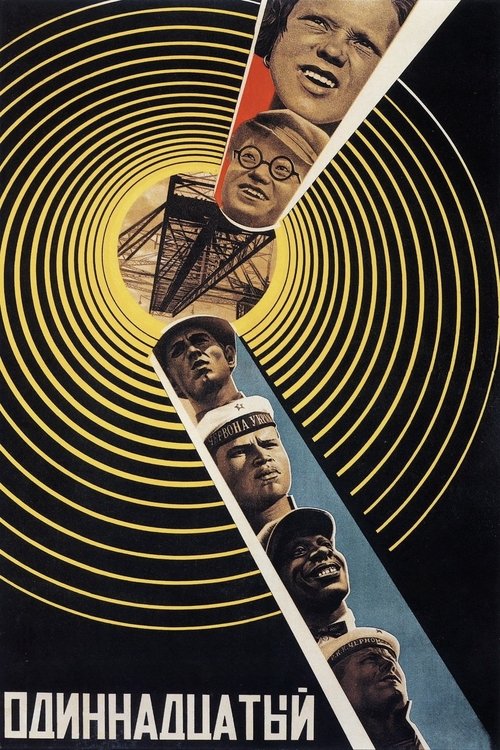
1928
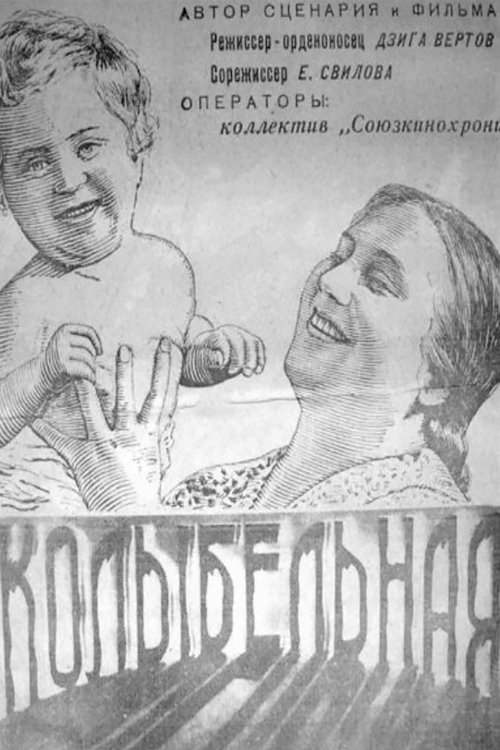
1937
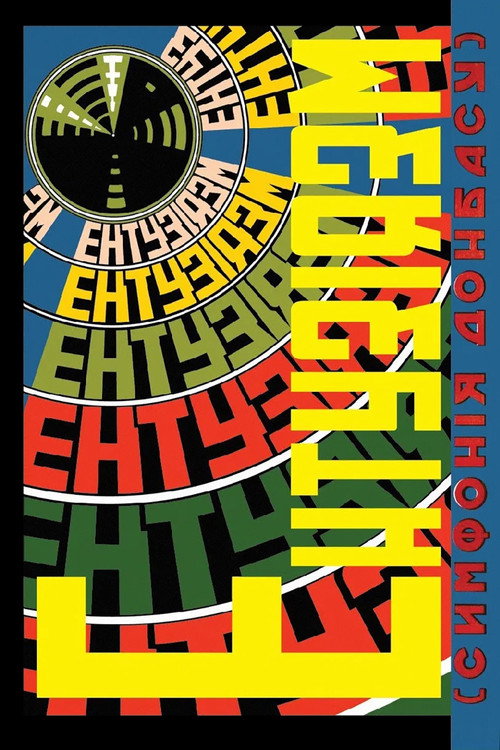
1930
No reviews yet. Be the first to share your thoughts on this movie!
Use the rating form above to leave a star rating and optional review.