
¡Cuba Sí!
1961
No user ratings available yet
Representation score: 5.4 out of 10
Representation Score
Fair
2005
Director
Vicente Ferraz
Runtime
91 minutes
Average Rating
No ratings yetNew Showbiz Analysis
Vicente Ferraz’s documentary excels by focusing on non-Western historical perspectives. By examining the 1964 Cuban-Soviet co-production, the film challenges conventional, Western-centric film histories and explores how collaborative art can challenge global hierarchies. The film operates as a sophisticated meta-narrative regarding geopolitical subversion. It goes beyond simple biography to explore how cinema served as a vehicle for cultural exchange and ideological expression during the Cold War. While the documentary provides deep insights into internationalist identity, it lacks specific information regarding gendered character arcs or the representation of LGBTQ+ and disabled individuals.
Category Breakdown
The documentary provides no evidence regarding the depiction of LGBTQ+ identities or narratives.
The film delves into the human stories behind a major historical event, highlighting the roles of creators and participants involved in a significant cinematic achievement.
The work emphasizes non-Anglo-Saxon viewpoints by focusing on Cuban and Soviet collaboration. It underscores historical moments when the cinematic focus moved away from Hollywood.
The narrative addresses themes of internationalism and critiques of Western dominance. It explores the legacy of a production grounded in anti-capitalist frameworks.
There is no evidence within the film's context to suggest the inclusion or depiction of disability.
Present on Screen
Limited or Absent
Official Synopsis
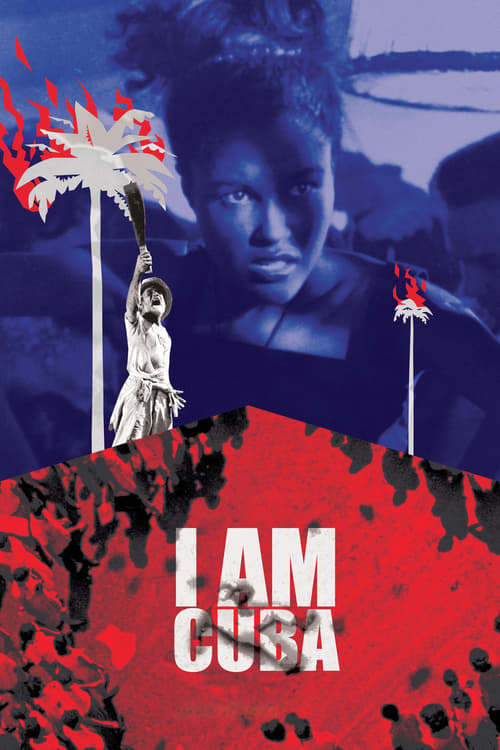
Contemporary film critics regard the epic film I Am Cuba as a modern masterpiece. The 1964 Cuban/Soviet coproduction marked a watershed moment of cultural collaboration between two nations. Yet the film never found a mass audience, languishing for decades until its reintroduction as a "classic" in the 1990s. Vicente Ferraz explores the strange history of this cinematic tour de force, and the deeper meaning for those who participated in its creation.
1961
1964
1994
1928
2017
2017
2016
2012
No reviews yet. Be the first to share your thoughts on this movie!
Use the rating form above to leave a star rating and optional review.