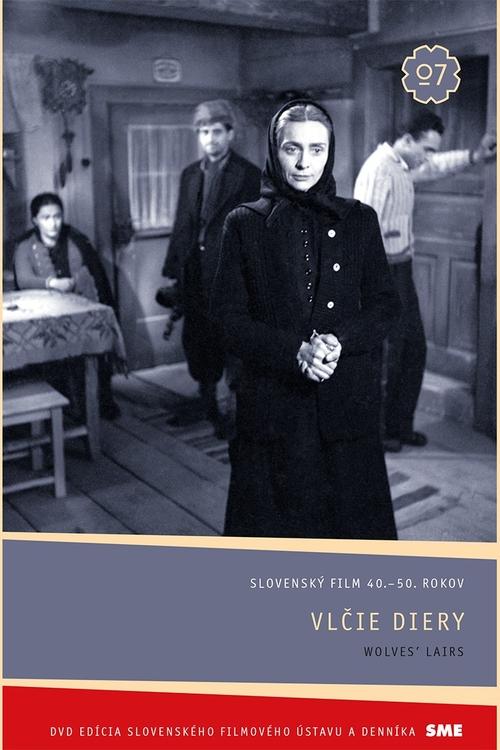
Wolves' Lairs
1948
No user ratings available yet
Representation score: 5.1 out of 10

Representation Score
Minimal
1956
15Director
Jiří Sequens
Average Rating
No ratings yetNew Showbiz Analysis
Neporažení is a period-specific ideological drama that prioritizes socialist realism over diverse representation. It functions as a study of collective resistance, focusing on a military garrison that defies orders to resist Nazi occupation. The film's strength lies in its ideological framework, portraying a critique of institutional obedience in favor of class-based mobilization. However, it adheres to the narrow social archetypes of the mid-20th century. Ultimately, the work is a localized war drama that emphasizes ethnic homogeneity and traditional masculine hierarchies, offering little in the way of modern diversity metrics.
Category Breakdown
The film lacks any evidence of LGBTQ+ characters or non-straight-centered narratives. The cinematic standards of 1956 Czechoslovakia prioritized traditional social structures and collective duty.
The film centers on male combatants within a military garrison, reinforcing conventional masculine archetypes and hierarchies. Women appear in supporting roles but have limited ability to act.
The story focuses on a homogeneous ethnic population resisting Nazi occupation. It does not utilize racial or ethnic blending as a narrative device.
The narrative prioritizes collective ideological struggle and anti-fascist mobilization. It centers on communist ability to act and resistance against an oppressive occupying force.
There is no evidence of characters with visible or invisible disabilities. In this genre, disability is rarely given significant attention.
Present on Screen
Limited or Absent
Official Synopsis
As Nazi troops prepare to occupy the already truncated Czechoslovak Republic, a small military garrison made up of communists defies orders to abandon their post.
1948

1977
1962

1945
1984

1959
1960

1965
No reviews yet. Be the first to share your thoughts on this movie!
Use the rating form above to leave a star rating and optional review.