
Passenger
1963
No user ratings available yet
Representation score: 8.6 out of 10

Representation Score
Fair
1960
Director
Gillo Pontecorvo
Runtime
117 minutes
Average Rating
No ratings yetNew Showbiz Analysis
Kapo is a harrowing look at the 'gray zone' of survival, avoiding traditional heroism for a study of moral ambiguity. It centers the Jewish experience, offering a powerful historical perspective that avoids mid-century cinematic norms. However, the film's focus on systemic dehumanization limits its exploration of individual identity. Characters are often defined by their utility or status within the camp's hierarchy rather than their personal complexities. While the film offers a sophisticated critique of institutional authority and the breakdown of social structures, it lacks representation of LGBTQ+ identities and provides limited depth regarding disability or neurodivergence.
Category Breakdown
The film does not include any LGBTQ+ characters or narratives. The story focuses solely on the survivalist dynamics within the concentration camp environment.
Gender hierarchies are overshadowed by a brutal struggle for survival. Female characters often lack complex roles and are more defined by their positions within the camp's power structure than by their individual identities.
The film centers on the Jewish experience, using a predominantly Jewish cast to reflect historical victimhood. This approach avoids the white-centric lens common in mid-century Western cinema.
The narrative explores moral relativism and situational ethics, critiquing how totalitarian systems force individuals into complicity and destroy traditional social institutions.
Physical degradation and suffering are shown as signs of systemic cruelty. These elements highlight dehumanization rather than exploring specific disabilities or neurodivergence.
Present on Screen
Limited or Absent
Official Synopsis
Determined to survive at any price, Edith, a young Jewish woman deported to an extermination camp, manages to survive by accepting the role of kapo, a privileged prisoner whose mission is to ruthlessly guard other prisoners.
1963

1965

2007

2015

1963

1959

1959
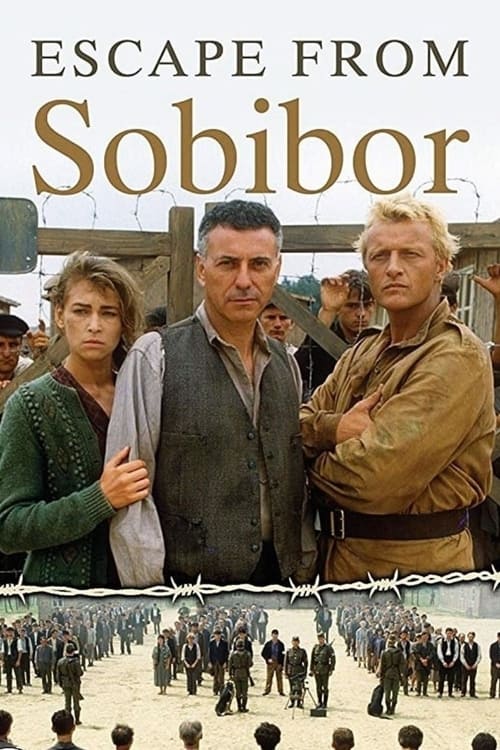
1987
No reviews yet. Be the first to share your thoughts on this movie!
Use the rating form above to leave a star rating and optional review.