
Over the Border
2006
No user ratings available yet
Representation score: 5.4 out of 10
Representation Score
Fair
2008
Director
Kim Tae-gyun
Runtime
107 minutes
Average Rating
No ratings yetNew Showbiz Analysis
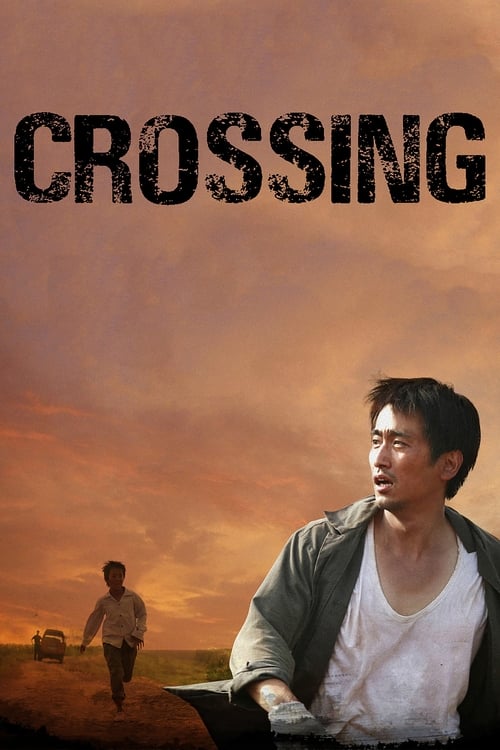
Crossing is a humanistic drama that highlights the struggles of North Korean families. Its strength lies in its geopolitical context, providing a non-Western perspective. However, the film leans on traditional dramatic archetypes, such as the 'suffering mother' and 'male protector' roles. Additionally, illness is used primarily as a plot mechanism to drive the male lead's actions, rather than as a nuanced character element.
Category Breakdown
The film focuses on a traditional nuclear family unit. There are no LGBTQ+ characters or non-assuming gender matches what was assigned at birth identities present in the narrative.
The story features traditional gender roles where the wife's illness drives the plot, while the husband acts as the protector. These roles are fairly conventional.
The film focuses on North Korean citizens navigating the Chinese borderlands, offering a unique perspective outside of Western-centric cinema.
The narrative portrays the government as a source of oppression, highlighting the struggle for individual survival against state loyalty.
The wife's critical illness serves as the main catalyst for the protagonist's journey. It is unclear whether her condition is handled with real ability to act or simply used as a plot device.
Present on Screen
Limited or Absent
Official Synopsis
Yong-soo is an ex-soccer player who lives in a small coal-mine village in North Korea with his wife and young son, Joon. Although living in extreme poverty like many other families in North Korea, the family is happy just to be with each other. Then one day, Yong-soo's pregnant wife becomes critically ill. Let alone medicine, Yong-soo can't even find food for her in North Korea. So he decides to secretly cross the border to China hoping to find the medicine for his wife.
2006

2016
2007

2013
2010

2011

2014
2005
No reviews yet. Be the first to share your thoughts on this movie!
Use the rating form above to leave a star rating and optional review.