
The Kidnapper
1958
No user ratings available yet
Representation score: 2.3 out of 10
Representation Score
Good
1970
Not RatedDirector
Akira Kurosawa
Runtime
140 minutes
Average Rating
No ratings yetNew Showbiz Analysis
Dodes'ka-den is a stylized, expressionistic study of systemic alienation. It centers the 'invisible' members of society, granting narrative ability to act to those living on the fringes of cognitive and social normalcy. While the film lacks explicit identity-based representation regarding LGBTQ+ or multi-ethnic casting, it offers a profound critique of social stability. It deconstructs traditional notions of progress by highlighting the psychological rebellion required to survive a broken system. The work's strength lies in its ability to transform the struggle of the impoverished into a complex moral study, moving beyond simple drama to explore the dignity of the underrepresented.
Category Breakdown
The film focuses almost entirely on the struggle for survival in a post-war shantytown. There are no documented LGBTQ narratives or non-straight relationships present.
Women are primarily shown through the lens of domestic labor or as victims of poverty. The film portrays gender roles being flattened by systemic socioeconomic pressures.
The cast is ethnically homogeneous, reflecting a localized Tokyo setting. However, the film treats the impoverished underclass as a distinct group through stylized expressionism.
The narrative critiques systemic failures by showing traditional institutions like family and religion as incapable of providing relief. It frames delusions as a rebellion against oppressive reality.
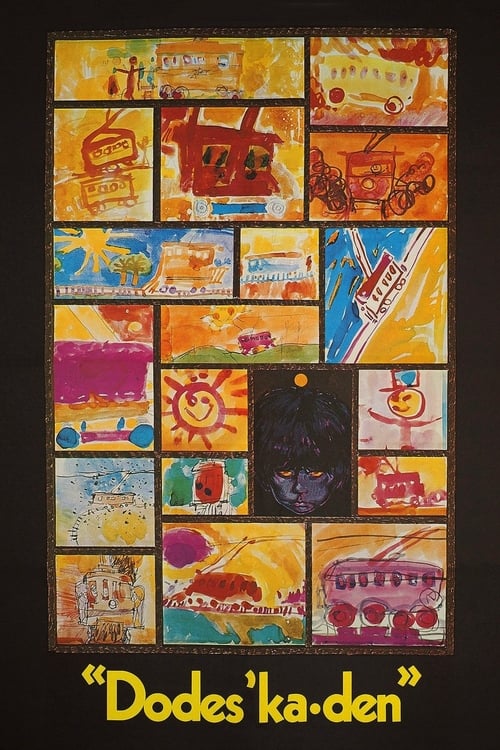
The film provides depth to characters experiencing mental instability. The protagonist's imaginary trolley is treated as a dignified mechanism for psychological survival rather than a source of mockery.
Present on Screen
Limited or Absent
Official Synopsis
On a Tokyo dump’s shantytown edge, interwoven vignettes follow residents scraping by: a boy who “drives” an imaginary trolley, a homeless father and son designing a dream house, a young woman brutalized at home, drunks, schemers, and saints of small kindnesses. Kurosawa crafts a ragged mosaic of hardship, fantasy, and flickers of grace that keep people moving forward.
1958

1956

2001

1967

2014

1945

1952

1978
No reviews yet. Be the first to share your thoughts on this movie!
Use the rating form above to leave a star rating and optional review.