
Samaritan Girl
2004
No user ratings available yet
Diversity score: 5.2 out of 10
2001
RDirector
Kim Ki-duk
Runtime
117 minutes
Average Rating
No ratings yetSynopsis
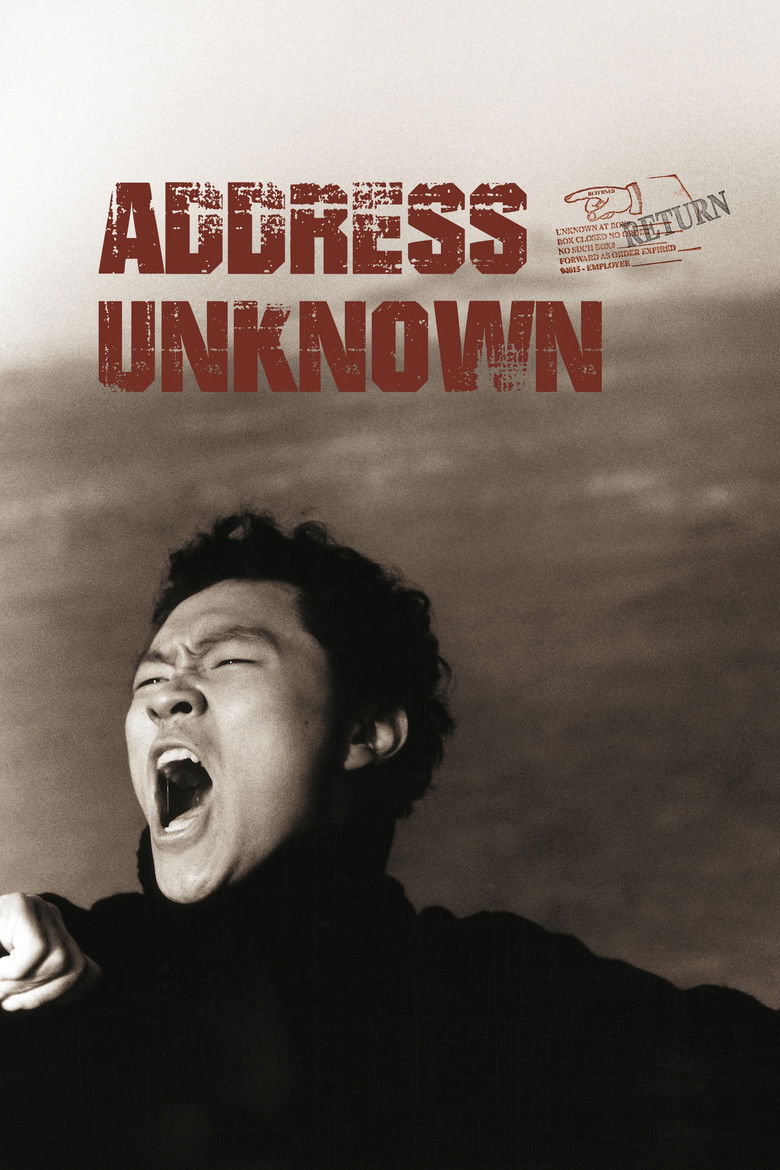
Romances end in blood and the frail hopes of individuals are torn apart in a vile karmic continuity of colonialism, civil war and occupation. After surviving Japanese colonization, Korea became the first war zone of the Cold War. The legacy of war remains today in this divided country.
Overall Score
Fair
Category Breakdown
LGBTQ+ Representation
The film lacks explicit LGBTQ+ identities or non-heteronormative romantic arcs. The narrative focuses on an asymmetrical obsession between a male protagonist and a female subject.
Gender Representation
Masculinity is portrayed as a source of alienation rather than social agency. The male protagonist is defined by psychological instability and voyeurism rather than traditional leadership.
Racial & Ethnic Diversity
The cast is a homogeneous South Korean group. The story is deeply informed by post-colonial trauma and the historical scars of Japanese colonization and the peninsula's division.
Religious & Cultural Diversity
The film critiques traditional social structures through a lens of secularism and moral relativism. It frames anti-social behaviors as responses to an oppressive, alienating social vacuum.
Disability Representation
The narrative emphasizes mental health and psychological fragmentation. While characters experience profound alienation and perceived madness, these portrayals lean toward existential themes rather than specific disabled identities.
Strengths
Areas for Improvement
AI Analysis
Kim Ki-duk’s film prioritizes the deconstruction of social norms and historical trauma over demographic inclusivity. It uses a surrealist, non-linear framework to explore systemic alienation and the psychological toll of post-colonial history. The work finds its strength in critiquing systemic oppression and rejecting Western-centric moral absolutes. However, it lacks representation for queer identities and diverse ethnic groups, focusing instead on a homogeneous Korean cast. Ultimately, the film is a complex study of human connection and madness. It subverts traditional gender roles by presenting masculinity as unstable and ineffective, though it remains limited in its engagement with specific identity-based representation.
2004

2012

2011

2013

2016

2002

1961
2014

2010
1987

1980

2008
No reviews yet. Be the first to share your thoughts on this movie!
Use the rating form above to leave a star rating and optional review.