
Han Gong-ju
2014
No user ratings available yet
Diversity score: 5.9 out of 10
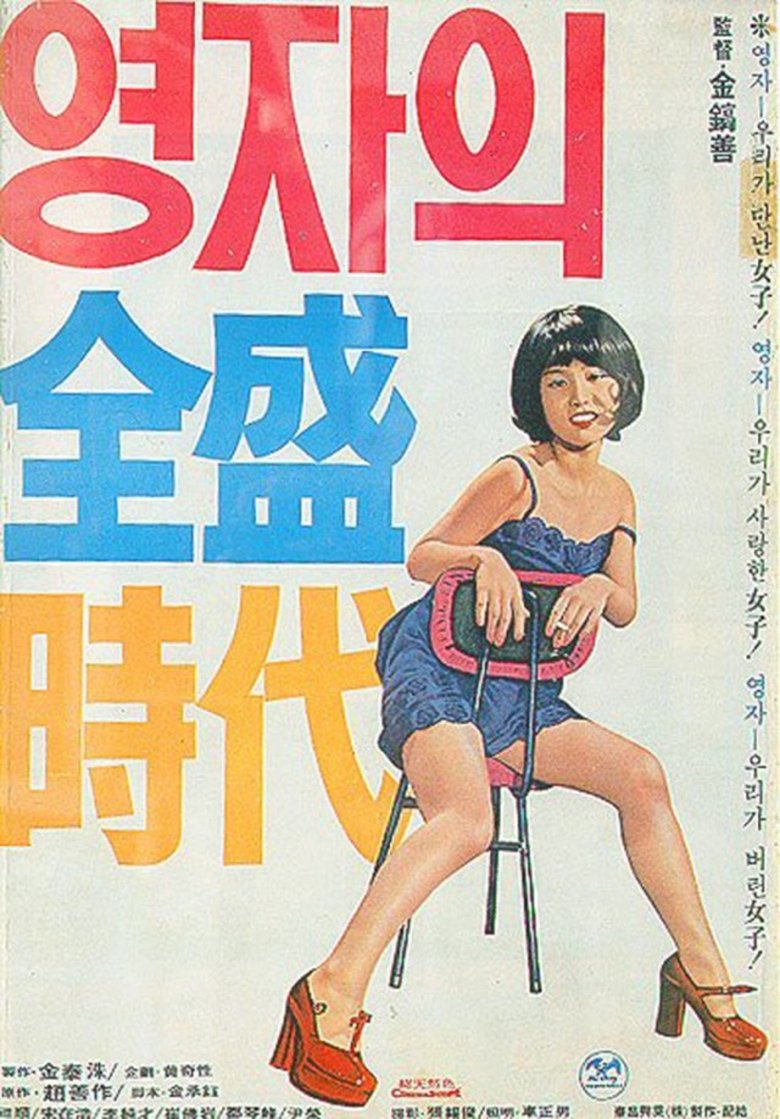
1975
Director
Kim Ho-sun
Runtime
103 minutes
Average Rating
No ratings yetSynopsis
Chang-su recalls the girl whom he loved before he entered the military. At that time she had been working as a housemaid. They meet again years later at a police station and the girl, Yeong-ja reveals that she quit her job after being raped by the son of her employer. Her life got steadily worse until finally she lost an arm in a car accident and had to work as a prostitute to pay for an artificial limb.
Overall Score
Good
Category Breakdown
LGBTQ+ Representation
The film focuses entirely on heteronormative tragedy and the exploitation of female sexuality. It lacks any representation of non-cisnormative identities or queer perspectives.
Gender Representation
Yeong-ja subverts the 'virtuous woman' archetype by centering her struggle against systemic patriarchal violence. The narrative prioritizes her survival and agency over traditional moralistic tropes.
Racial & Ethnic Diversity
The cast is ethnically homogeneous, reflecting its South Korean production. However, it offers a gritty, realistic look at the urban working class rather than a sanitized national identity.
Religious & Cultural Diversity
The story critiques rapid capitalist modernization and the breakdown of traditional family structures. It frames the protagonist's descent into sex work as a systemic necessity rather than a moral failure.
Disability Representation
The protagonist's loss of an arm is treated with stark realism. The film links her physical impairment directly to economic oppression and the struggle for survival.
Strengths
Areas for Improvement
AI Analysis
Yeong-ja's Heydays is a social realist drama that uses a tragic female narrative to critique the socio-economic shifts of 1970s South Korea. It succeeds by moving away from idealized depictions of life, instead focusing on the intersection of disability, gendered violence, and economic disenfranchisement. The film's strength lies in its refusal to treat the protagonist's hardships as mere tools for pity. By linking her physical disability to her economic reality, the film provides a sophisticated critique of how capitalist modernization can degrade the most vulnerable members of society. While the film lacks LGBTQ+ representation and ethnic diversity, its deep dive into the Korean working class and its subversion of gendered archetypes provide significant social depth.
2014

2011
2013
2008

1948
1972

2004

1961

1971

1967
2015
2008
No reviews yet. Be the first to share your thoughts on this movie!
Use the rating form above to leave a star rating and optional review.