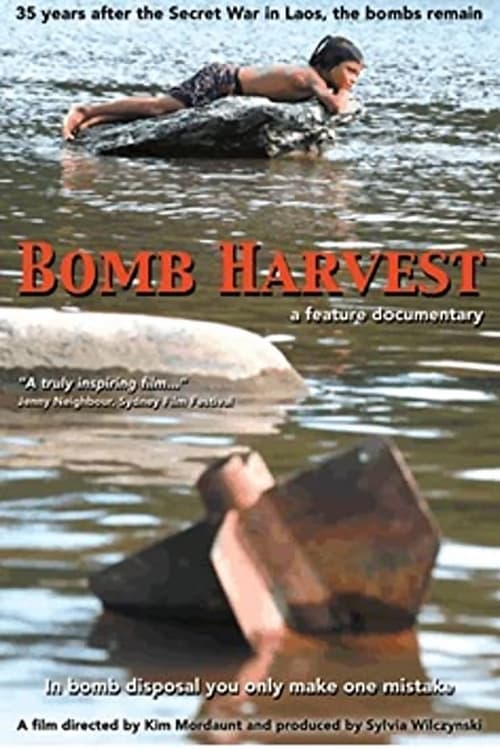
Bomb Harvest
2007
No user ratings available yet
Diversity score: 5.9 out of 10

1995
TV-14Runtime
67 minutes
Average Rating
No ratings yetSynopsis
Peter Jennings takes a behind-the-scenes look at the Truman administration and the events that led to the atomic bombing of Japan in 1945. Includes footage of the incredible destruction, some of which has been kept secret for decades.
Overall Score
Fair
Category Breakdown
LGBTQ+ Representation
The documentary focuses on military decision-making and the humanitarian aftermath of nuclear warfare. It contains no discernible narrative focus on LGBTQ+ identities or non-heteronormative dynamics.
Gender Representation
The film includes testimonies from female survivors, providing moderate inclusion. However, the narrative remains dominated by the male-centric political and military hierarchies of the Truman administration.
Racial & Ethnic Diversity
The film disrupts historical tropes by centering the hibakusha and providing a non-Western perspective. It prioritizes Japanese victims over a purely American administrative viewpoint.
Religious & Cultural Diversity
The documentary critiques Western institutional power and the military-industrial complex. It explores the breakdown of social structures and the ethics of state-sanctioned violence.
Disability Representation
The film provides a harrowing depiction of the long-term biological consequences of radiation. It documents chronic illnesses and physical disabilities as direct results of political decisions.
Strengths
Areas for Improvement
AI Analysis
This documentary succeeds in challenging Western-centric historical narratives by shifting the focus from military strategy to the lived experiences of Japanese survivors. By centering the hibakusha, the film provides agency to those historically marginalized in Western military histories. However, the film is constrained by its subject matter and the era it examines. The overarching narrative architecture remains heavily dominated by male-centric political hierarchies, and there is a complete absence of LGBTQ+ representation. Ultimately, the work functions as a post-colonial critique. It uses the devastating reality of nuclear warfare to question the hegemony of dominant powers and the systemic failures of the military-industrial complex.
2007
1986

1988
2011
2014
2006
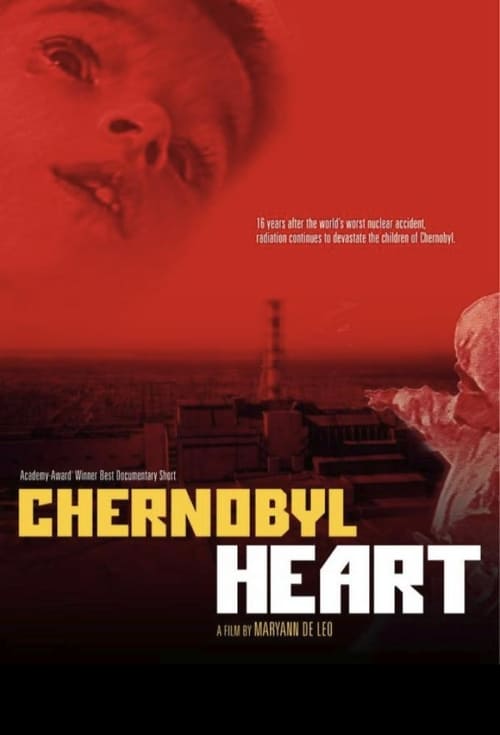
2003

2015
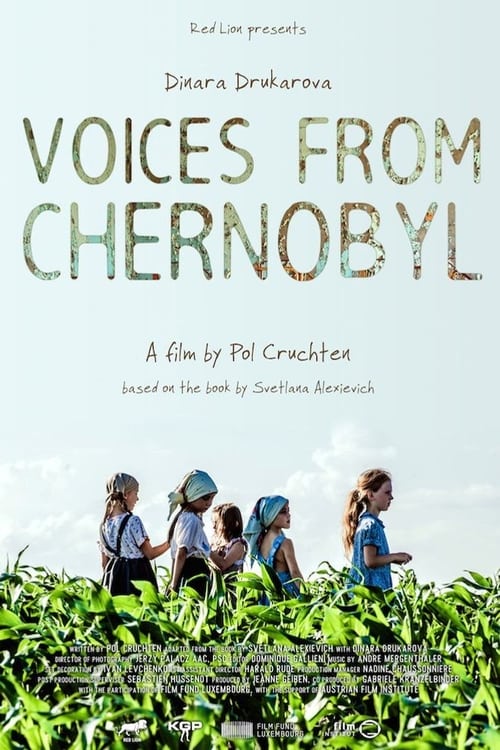
2016
1986
2015
2003
No reviews yet. Be the first to share your thoughts on this movie!
Use the rating form above to leave a star rating and optional review.