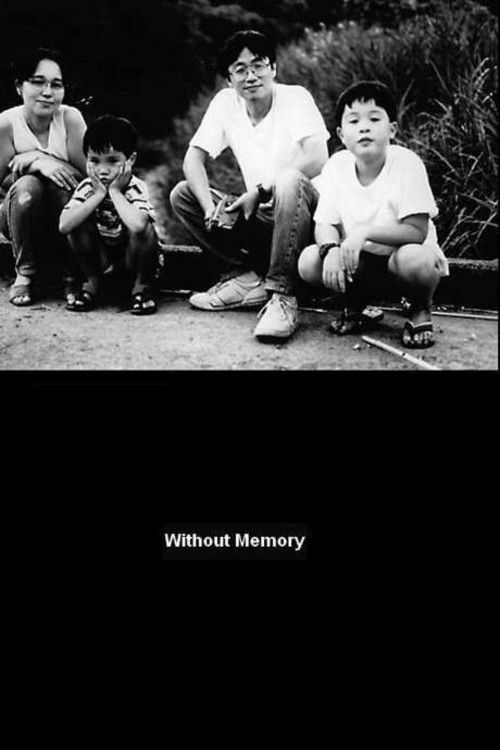
Without Memory
1996
No user ratings available yet
Diversity score: 6.3 out of 10

2015
Director
Hirokazu Kore-eda
Runtime
85 minutes
Average Rating
No ratings yetSynopsis
A memorial to the atomic annihilation of 321 students at Hiroshima Middle School.
Overall Score
Good
Category Breakdown
LGBTQ+ Representation
The documentary focuses on a specific historical tragedy. There is no evidence of specific LGBTQ+ narratives or critiques of heteronormativity within the film.
Gender Representation
By centering on a student body, the film disrupts hierarchies that prioritize military leaders. It elevates the voices of children caught on the periphery of power.
Racial & Ethnic Diversity
The film offers a localized, non-Western perspective on a global event. It challenges the Western-centric historical canon by centering the Japanese experience of the atomic age.
Religious & Cultural Diversity
The narrative prioritizes human experience over nationalistic rhetoric. It frames the destruction of Hiroshima through a lens of systemic victimhood and a critique of state-level power.
Disability Representation
The film addresses the physical and psychological trauma caused by nuclear annihilation. It explores the vulnerability of the human body against systemic violence and long-term trauma.
Strengths
Areas for Improvement
AI Analysis
Hirokazu Kore-eda uses this documentary to challenge state-centric war narratives. By focusing on the 321 students lost in Hiroshima, the film shifts the perspective from geopolitical decisions to the human cost of catastrophe. The work functions as a meditation on collective memory and systemic failure. It avoids simplistic moralizing, instead offering a nuanced exploration of how historical institutions impact individual identities and lives. While the film provides a profound look at the Japanese experience, it lacks specific representation for certain identity groups, focusing instead on the universal tragedy of the victims.
1996
2016
2014

1988

2012

2017

2007

2016
1976

2007

2015

1983
No reviews yet. Be the first to share your thoughts on this movie!
Use the rating form above to leave a star rating and optional review.