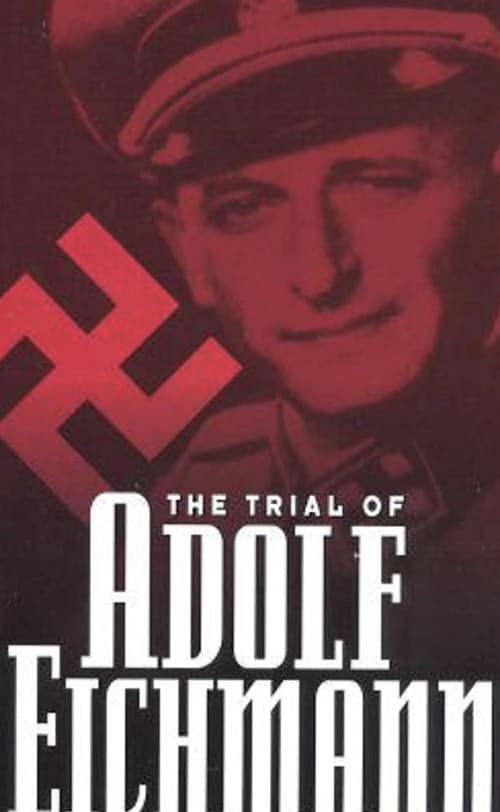
The Trial of Adolf Eichmann
1997
No user ratings available yet
Representation score: 4.9 out of 10
Representation Score
Fair
2011
Director
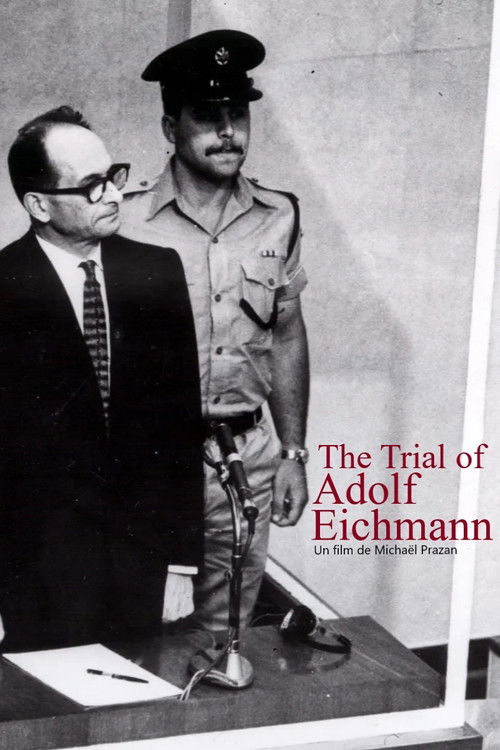
Michaël Prazan
Runtime
90 minutes
Average Rating
No ratings yetNew Showbiz Analysis
The documentary excels as a historical record by centering the Jewish experience and the Israeli judicial process. It successfully shifts the narrative focus from the perpetrator to the ability to act of the survivors and the institutions seeking accountability. However, the film's diversity is constrained by its adherence to the historical realities of the 1960s. This limits the visibility of gender and LGBTQ+ representation within the depicted institutional structures. Ultimately, the work provides significant ethnic and cultural depth, offering a nuanced look at a non-Anglo-Saxon legal and cultural context.
Category Breakdown
The film focuses strictly on the historical and legal realities of the Holocaust. It does not address LGBTQ+ narratives or non-cisgender identities.
The narrative reflects the male-dominated legal and political spheres of the 1960s. Primary roles in the courtroom and political maneuvering are centered on male figures.
The documentary provides a profound exploration of Jewish identity and experiences. It centers survivor testimonies to disrupt traditional Western-centric historical perspectives.
The film highlights the complexities of Jewish religious and cultural identity. It frames the Israeli legal authority as a necessary instrument for justice.
The film implicitly addresses the physical and psychological trauma endured by survivors. These elements serve as historical evidence of systemic violence.
Present on Screen
Limited or Absent
Official Synopsis
The 1961 trial of Adolf Eichmann held in an Israeli courtroom and broadcast around the globe, was a benchmark event in the historiography of the Holocaust, especially in Israel where the trial proved a watershed experience for survivors and citizens of the new Jewish state. Employing new video and broadcast technologies, the trial was also a milestone in media and journalism coverage. This absorbing, comprehensive new documentary features detailed accounts of Eichmann's capture, the drama in the courtroom and behind the scenes, and reactions to the trial from around the world.
1997

1985

2013
1998

2014
2015
2015

2012
No reviews yet. Be the first to share your thoughts on this movie!
Use the rating form above to leave a star rating and optional review.