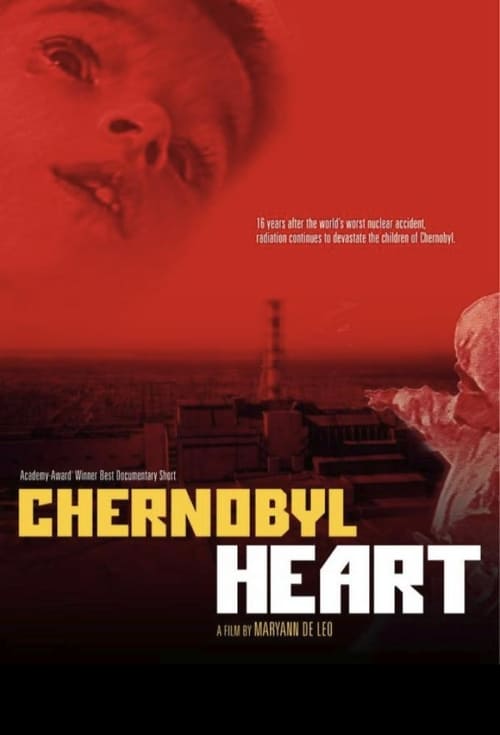
Chernobyl Heart
2003
No user ratings available yet
Diversity score: 7.0 out of 10
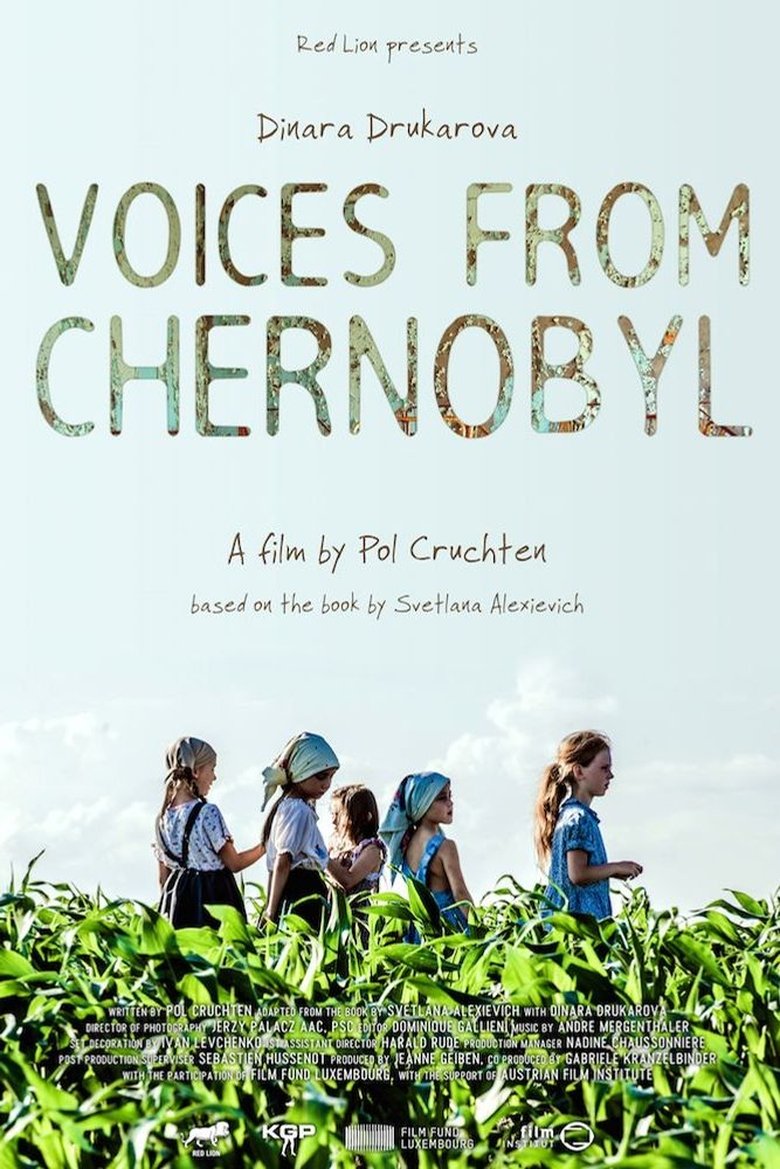
2016
Director
Pol Cruchten
Runtime
85 minutes
Average Rating
No ratings yetSynopsis
This film does not deal with Chernobyl, but rather with the world of Chernobyl, about which we know very little. Eyewitness reports have survived: scientists, teachers, journalists, couples, children... They tell of their old daily lives, then of the catastrophe. Their voices form a long, terrible but necessary supplication which traverses borders and stimulates us to question our status quo.
Overall Score
Good
Category Breakdown
LGBTQ+ Representation
The film lacks identifiable LGBTQ+ narratives or characters. The focus remains on the communal and familial trauma of the disaster rather than identity-specific explorations.
Gender Representation
The narrative offers a balanced view of gendered experiences. It documents domestic roles held by women alongside the psychological burdens placed on male liquidators.
Racial & Ethnic Diversity
The cast consists primarily of Ukrainian and Slavic individuals. This reflects the authentic demographic reality of the region and the era.
Religious & Cultural Diversity
The film provides a sharp critique of the Soviet bureaucratic apparatus. It emphasizes the breakdown of state authority and the subsequent reliance on communal resilience.
Disability Representation
The documentary offers an unvarnished look at physical and psychological disabilities from radiation. It treats these conditions as central, lived realities of the catastrophe.
Strengths
Areas for Improvement
AI Analysis
Voices from Chernobyl succeeds as a testimonial archive, prioritizing the subjective experiences of those on the periphery of the disaster. By centering eyewitness accounts from scientists, teachers, and children, the film avoids technical abstraction to focus on human fragility. The documentary's strength lies in its authentic, localized representation and its unflinching portrayal of the long-term physical and psychological consequences of radiation. It avoids romanticizing suffering, instead presenting disability as a fundamental part of the survivors' reality. However, the film is demographically narrow, focusing almost exclusively on the Slavic population of the region. While this maintains historical accuracy, it offers no exploration of LGBTQ+ identities or broader intersectional perspectives.
2003
2019

2017
2015
2012
2022
1992

1971

2015

2013

1988
2014
No reviews yet. Be the first to share your thoughts on this movie!
Use the rating form above to leave a star rating and optional review.