Radiophobia
2006
No user ratings available yet
Representation score: 7.9 out of 10
Representation Score
Fair
2003
Director
Maryann DeLeo
Runtime
39 minutes
Average Rating
No ratings yetNew Showbiz Analysis
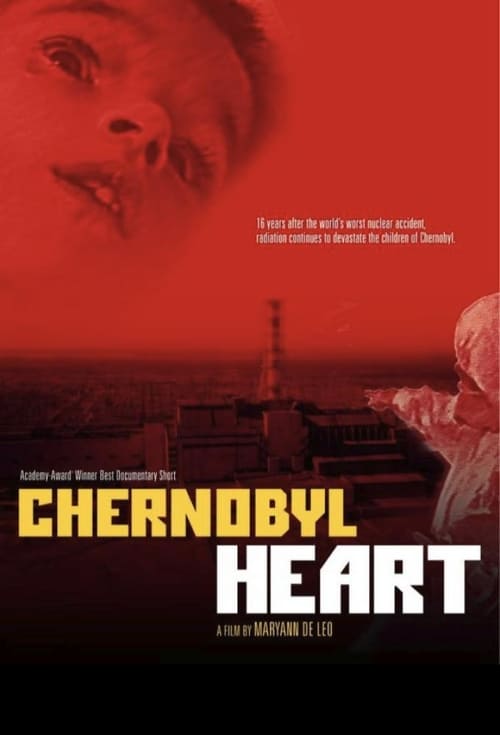
Chernobyl Heart is a powerful documentary that shifts the focus from a historical event to its intergenerational, biological consequences. By centering the lives of children with congenital heart defects, the film provides a strong portrayal of physical disability and chronic illness. The work succeeds in giving visibility to non-Western populations and critiques the systemic failures of industrial and state powers. It moves beyond simple historical reporting to examine the long-term human cost of environmental catastrophe. While the film lacks LGBTQ+ representation or explicit gender subversion, its focus on the emotional and physical labor of caregivers and the struggles of a specific ethnic demographic provides a sophisticated narrative of systemic critique.
Category Breakdown
The documentary focuses on medical and environmental consequences. There is no evidence of LGBTQ+ character arcs or thematic explorations of gender identity.
The film centers the lived experiences of women and caregivers managing the disaster's aftermath. It provides a nuanced look at gendered roles in crisis management and domestic labor.
The narrative centers on Eastern European and Ukrainian populations affected by the disaster. It provides visibility to a non-Western demographic struggling against a global industrial catastrophe.
The film critiques institutional and systemic failures by highlighting the human cost of industrial negligence. It portrays how large-scale state or corporate structures can destroy the family unit.
The documentary provides exceptional representation of chronic illness by centering children with congenital heart defects. It treats their medical reality as a central, driving force of the narrative.
Present on Screen
Limited or Absent
Official Synopsis
This Academy Award-winning documentary takes a look at children born after the 1986 Chernobyl nuclear plant disaster who have been born with a deteriorated heart condition.
2006

1984

2016

2020

2019

1999

2022

2010
No reviews yet. Be the first to share your thoughts on this movie!
Use the rating form above to leave a star rating and optional review.