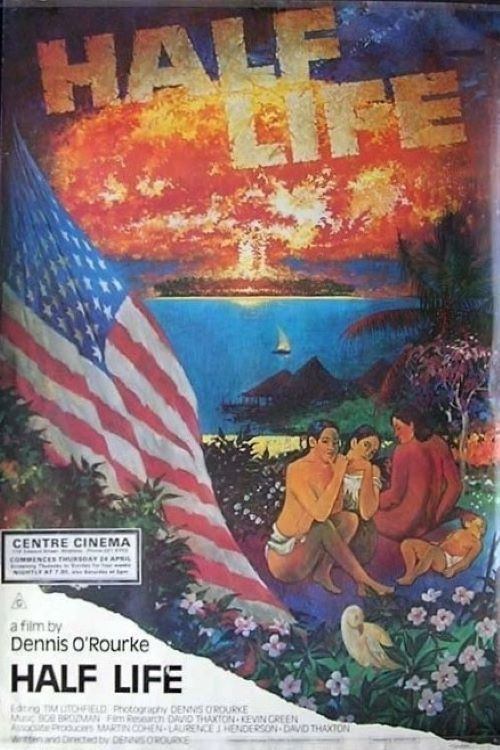
Half Life
1986
No user ratings available yet
Representation score: 6.6 out of 10
Representation Score
Good
2015
Director
Mark Cousins
Runtime
71 minutes
Average Rating
No ratings yetNew Showbiz Analysis
Mark Cousins presents a sophisticated, impressionistic critique of the nuclear age. The film deconstructs Western-centric grand narratives and examines the global impact of atomic technology on diverse populations. While the documentary does not intentionally focus on identity-based representation, such as LGBTQ+ or gender-driven subversion, it excels in its cultural and racial analysis. It challenges the morality of the military-industrial complex and capitalist frameworks. Ultimately, the film offers a fragmented, morally relativistic view of history. It moves beyond traditional biography to present a globalized perspective on the existential dread and scientific progress of the modern era.
Category Breakdown
The film does not focus on LGBTQ+ identities or non-cisgender narratives. Archival footage highlights geopolitical and scientific milestones without emphasizing queer visibility.
Women are shown within the context of mid-20th-century patriarchal structures. The film observes these historical hierarchies without actively challenging them through character's ability to drive the story.
The narrative disrupts Anglo-centric history by including the consequences of nuclear proliferation in Japan. It provides a globalized perspective on how the atomic age affected diverse populations.
The documentary offers a post-colonial critique of power and Western institutions. It prioritizes a global, secular existentialism over religious or nationalist exceptionalism.
Representation of disability is incidental, focusing on the biological consequences of radiation. It depicts bodily harm and chronic illness as systemic outcomes of nuclear technology.
Present on Screen
Limited or Absent
Official Synopsis
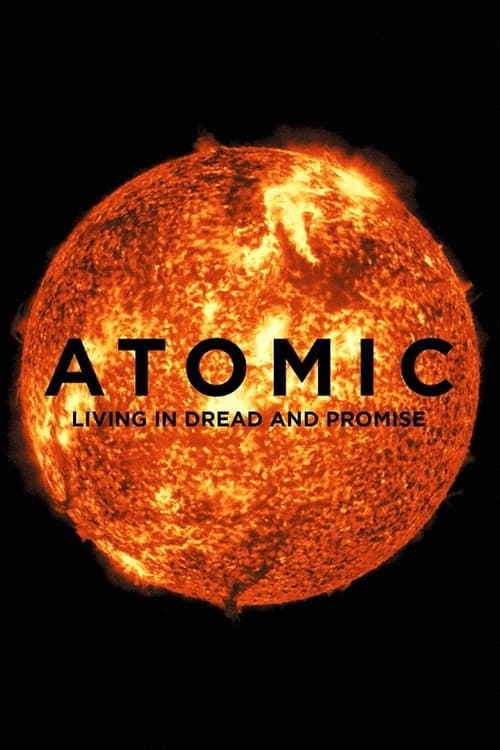
Using only archive film and a new musical score by the band Mogwai, Mark Cousins presents an impressionistic kaleidoscope of our nuclear times – protest marches, Cold War sabre-rattling, Chernobyl and Fukishima – but also the sublime beauty of the atomic world, and how x-rays and MRI scans have improved human lives. The nuclear age has been a nightmare, but dreamlike too.
1986

1992

2023
2023
2017
2015

2019

1984
No reviews yet. Be the first to share your thoughts on this movie!
Use the rating form above to leave a star rating and optional review.