Sighet, Sighet
1967
No user ratings available yet
Representation score: 6.3 out of 10
No Poster Available
Representation Score
Good
2006
TV-PGRuntime
60 minutes
Average Rating
No ratings yetNew Showbiz Analysis
This documentary succeeds through its intentional casting, facilitating a dialogue between two figures representing different underrepresented histories. The intersection of a Black woman and a Jewish survivor creates a complex framework for discussing systemic injustice and historical memory. The film examines the consequences of state-sponsored ethnic cleansing, moving beyond simple reportage. By centering the survivor's voice, it provides a high level of control to those impacted by historical dehumanization. While the program lacks LGBTQ+ representation, it excels in its cultural critique of Western institutional failures and its respectful treatment of survivor trauma.
Category Breakdown
The program does not engage with LGBTQ+ identities or narratives. The focus remains strictly on the historical and ethnic dimensions of the Holocaust.
Oprah Winfrey and Elie Wiesel maintain equal footing throughout the dialogue. Winfrey’s role as a woman leading a discussion on a major moral issue provides a nuanced shift from traditional male-dominated documentary formats.
The pairing of Oprah Winfrey and Elie Wiesel creates a powerful cross-cultural dialogue about systemic oppression. This diverse casting disrupts conventional expectations of historical documentary hosting.
The film offers a sophisticated critique of Western institutional failures and the inability of global powers to intervene. It prioritizes the moral importance of remembering over nationalist narratives.
The narrative treats the psychological and physical trauma of survivors with dignity. It focuses on the survivor's ability to share their experiences rather than exploiting their suffering.
Present on Screen
Limited or Absent
Official Synopsis
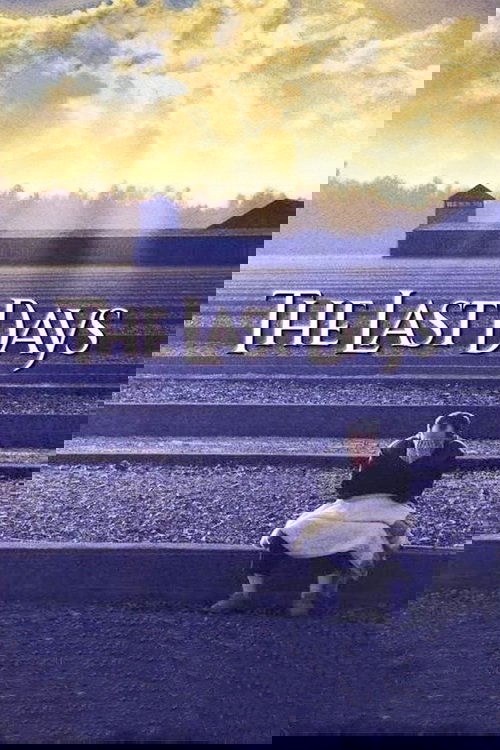
Oprah and Night author Elie Wiesel travel to the Auschwitz death camp in Poland. See the Holocaust through the eyes of a survivor.
1967
1998

2015

1985

2000
2015

1995

2001
No reviews yet. Be the first to share your thoughts on this movie!
Use the rating form above to leave a star rating and optional review.