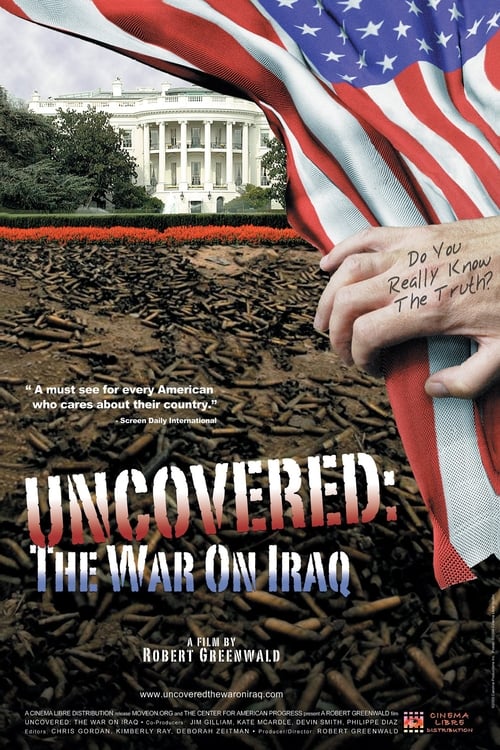
Uncovered: The Whole Truth About The Iraq War
2004
No user ratings available yet
Representation score: 8.4 out of 10
Representation Score
Good
2003
Director
John Pilger, Steve Connelly
Runtime
50 minutes
Average Rating
No ratings yetNew Showbiz Analysis
This documentary disrupts conventional Western storytelling by using a post-colonial lens. It challenges the legitimacy of dominant institutional narratives and focuses on those affected by imperial policies. However, the film's impact varies across different identity markers. While it excels in racial and cultural critique, it lacks visibility for LGBTQ+ and neurodivergent perspectives, focusing strictly on geopolitical issues. The work primarily critiques systemic power structures, prioritizing the deconstruction of Western hegemony over exploring individual identity-based narratives.
Category Breakdown
The documentary does not focus on LGBTQ+ identities or non-cisgender narratives. Instead, it centers on geopolitical conflicts and media analysis.
The film emphasizes macro-political analysis and state actors rather than gendered social dynamics. It does not deeply explore gender roles within its narrative structure.
The film highlights the voices and experiences of Middle Eastern populations. It shifts the focus from Western protagonists to historically underrepresented groups.
The documentary offers a sophisticated critique of Western capitalism and state-sponsored military intervention. It uses an anti-imperialist perspective to challenge global dominance.
The physical and psychological traumas of conflict are presented as symptoms of systemic violence. The film does not focus specifically on disability as a main narrative driver.
Present on Screen
Limited or Absent
Official Synopsis
A critical documentary about the war on terror since 9-11.
2004
2012
2002
2012
2008
2005
2007
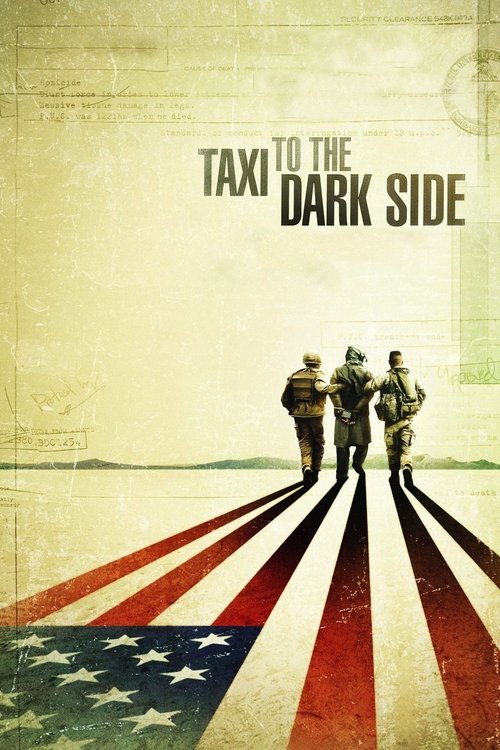
2008
No reviews yet. Be the first to share your thoughts on this movie!
Use the rating form above to leave a star rating and optional review.