
Atomic Homefront
2017
No user ratings available yet
Diversity score: 6.3 out of 10
1986
Director
John Junkerman, Michael Camerini, James MacDonald
Runtime
58 minutes
Average Rating
No ratings yetSynopsis
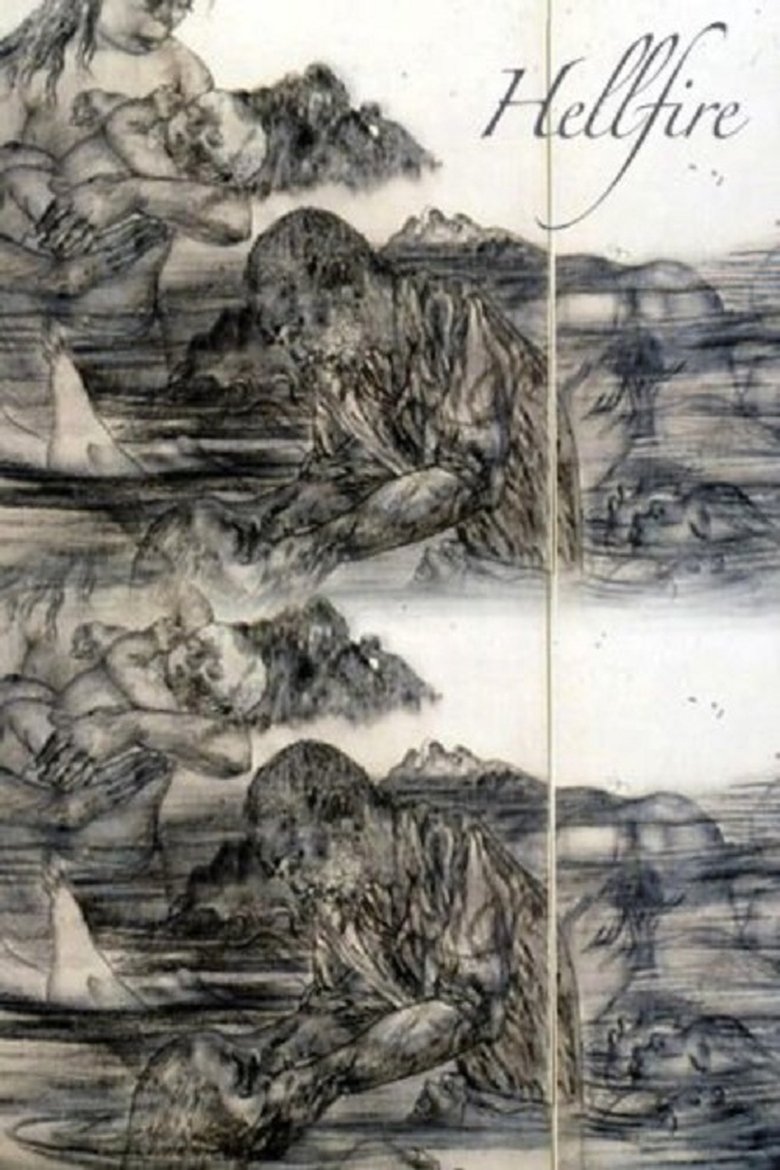
Japanese husband and wife muralists Iri and Toshi Maruki are known for their depictions of the destruction of Hiroshima and Nagasaki. Their collaborative relationship is unique: one paints a painfully detailed vision of the victims of the atomic blast; the other conceals the carefully delineated brush strokes with a grey-black ink “wash.” The first artist restates the specifics of the image; the second re-conceals. Through the repetition of this process, the work emerges.
Overall Score
Good
Category Breakdown
LGBTQ+ Representation
The film focuses on the marital partnership of the Marukis. It lacks a narrative framework to address LGBTQ+ identities or non-heteronormative expressions.
Gender Representation
The documentary disrupts traditional hierarchies by centering an egalitarian creative partnership. Both husband and wife hold essential, specialized roles, challenging the trope of the solitary male genius.
Racial & Ethnic Diversity
The work provides high-agency representation of Japanese artists. By centering their perspective on the atomic bombings, the film shifts the gaze away from Western-centric historical narratives.
Religious & Cultural Diversity
The narrative prioritizes the victims of systemic violence and anti-war sentiment. It frames historical trauma through a humanistic lens rather than one of nationalistic triumph.
Disability Representation
The subject matter inherently addresses the physical and psychological devastation of the atomic blast. However, there is no specific evidence of characters with disabilities possessing narrative agency.
Strengths
Areas for Improvement
AI Analysis
Hellfire: A Journey from Hiroshima succeeds in deconstructing Western-centric historical narratives by centering the lived experiences of Japanese artists. The film's strength lies in its portrayal of an egalitarian creative partnership and its profound critique of systemic violence. While the documentary offers a powerful humanistic perspective on historical trauma, it lacks explicit representation of LGBTQ+ identities. The focus remains strictly on the marital and artistic collaboration of the Marukis. Ultimately, the film serves as a vital counter-narrative to institutional power, though it does not explicitly address neurodivergence or physical disability as primary character traits.
2017

1985

1987

1965
2015

2008
2015

1982

1989

1983
2022

2014
No reviews yet. Be the first to share your thoughts on this movie!
Use the rating form above to leave a star rating and optional review.