
Radio Bikini
1988
No user ratings available yet
Representation score: 5.8 out of 10
Representation Score
Good
1986
Director
Dennis O'Rourke
Runtime
86 minutes
Average Rating
No ratings yetNew Showbiz Analysis
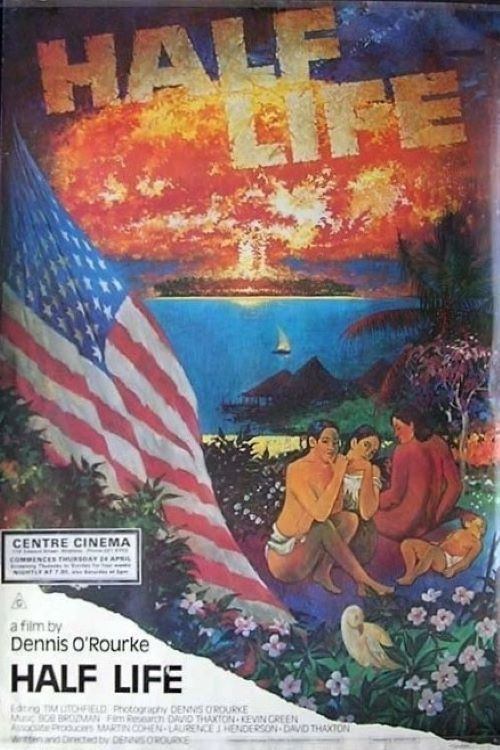
Half Life is a powerful post-colonial documentary that contrasts military footage with the lived experiences of the Marshallese people. It successfully deconstructs the colonial gaze, shifting the narrative focus from the U.S. military to the indigenous population. The film's strength lies in its radical deconstruction of the oppressor-oppressed framework, challenging the perceived superiority of Western technological progress and the indifference of global superpowers. While the film lacks representation for LGBTQ+ or neurodivergent identities, it provides a profound critique of systemic disregard for non-Western lives.
Category Breakdown
The documentary focuses on the geopolitical and biological aftermath of nuclear testing. There is no discernible narrative focus on LGBTQ+ identities or non-binary gender expressions.
The film documents the impact of radiation on both men and women, emphasizing the survival and active roles of islanders against patriarchal military forces.
The film excels in centering Marshallese voices, providing high ability to act to a population historically sidelined by Western interests. It shifts the perspective from the military observer to the indigenous subject.
The film critiques Western institutional power and the capitalist-driven arms race. It prioritizes the subjective truth of victims over official Cold War narratives, challenging Western technological superiority.
The documentary provides a harrowing look at physical and biological disabilities caused by fallout. It treats the health struggles of residents as central to the narrative rather than mere plot devices.
Present on Screen
Limited or Absent
Official Synopsis
Dennis O’Rourke’s documentary investigates the 1954 Castle Bravo hydrogen bomb test in the Marshall Islands and its long-term consequences. Combining declassified U.S. military footage, archival material, and interviews with Marshallese islanders and American servicemen, the film recounts how radioactive fallout affected residents of Rongelap and Utirik Atolls and explores the political and scientific context of Cold War nuclear testing.
1988
1984
2023

1992
1989
1966
2011
2023
No reviews yet. Be the first to share your thoughts on this movie!
Use the rating form above to leave a star rating and optional review.