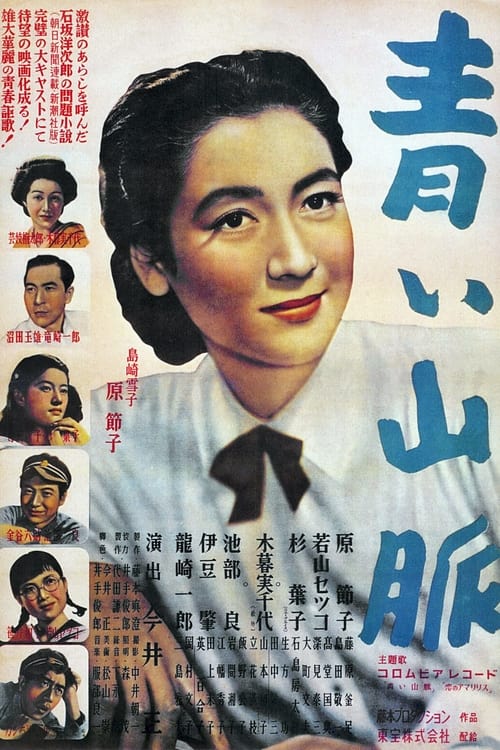
The Blue Mountains: Part I
1949
No user ratings available yet
Diversity score: 6.1 out of 10
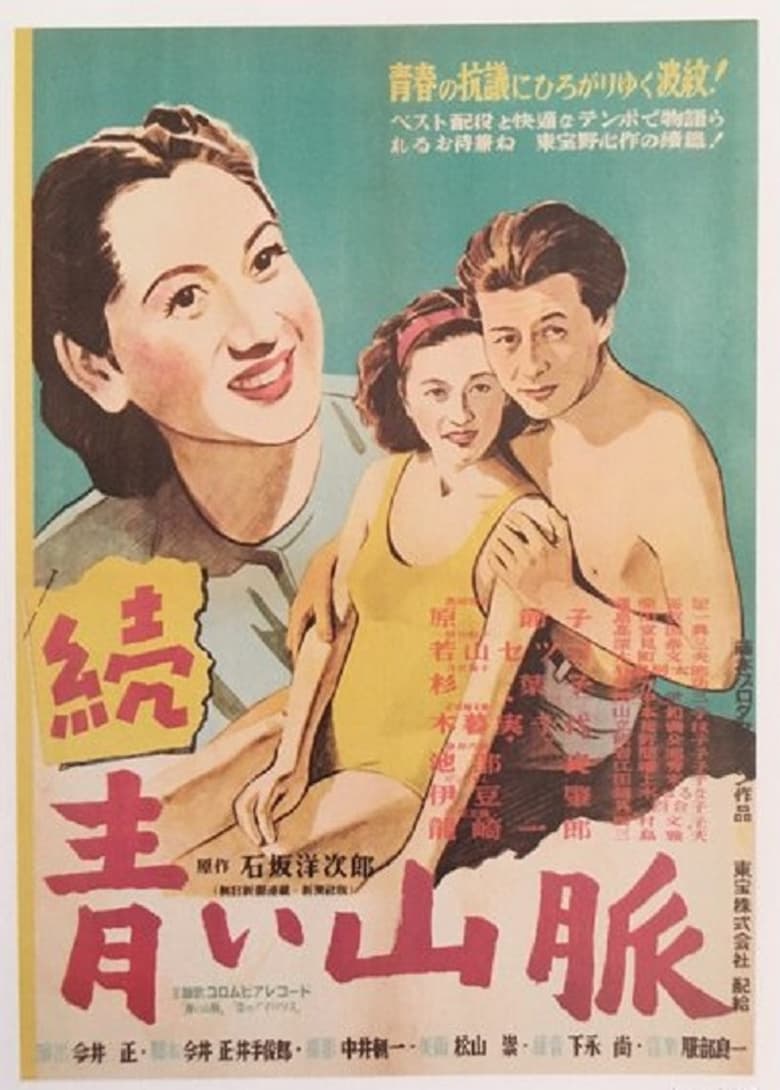
1949
Director
Tadashi Imai
Runtime
91 minutes
Average Rating
No ratings yetSynopsis
Continuation of The Blue Mountains: Part I. Released a week later.
Overall Score
Fair
Category Breakdown
LGBTQ+ Representation
The film contains no documented evidence of non-cisnormative gender identities or same-sex narratives. It appears to adhere strictly to the social frameworks of 1949 Japan.
Gender Representation
Setsuko Hara’s presence suggests a central female role, though female agency likely remains tied to domestic or romantic arcs. The narrative follows traditional gender hierarchies common in post-war dramas.
Racial & Ethnic Diversity
The production features a largely homogeneous cast reflecting the demographic realities of 1949 Japan. It focuses on domestic social dynamics rather than multi-ethnic or intersectional exploration.
Religious & Cultural Diversity
The story engages with the tension between traditional values and the shifting post-war social landscape. It functions as a study of localized cultural shifts during a transitional historical period.
Disability Representation
There is no evidence of characters with visible or invisible disabilities. The records do not suggest any specific representation in this area.
Strengths
Areas for Improvement
AI Analysis
The film is a product of its historical era, reflecting the social and demographic constraints of post-war Japan. While it features significant female talent through Setsuko Hara, the narrative structure likely prioritizes traditional domestic roles over progressive agency. Diversity is limited by a homogeneous cast and a lack of intersectional complexity. The film focuses on localized cultural transitions rather than broader racial or identity-based explorations. Ultimately, the work serves as a period-specific study of social change, lacking the systemic subversion or diverse representation required for a higher score.
1949
1957
1964
1959
1954
1959
1937
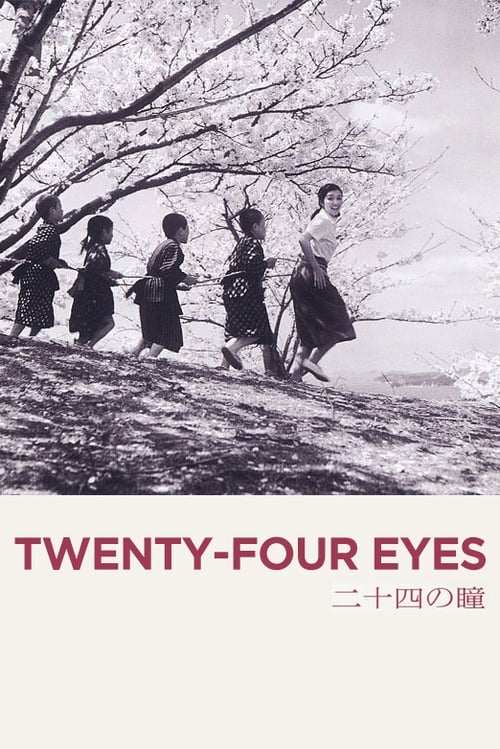
1954
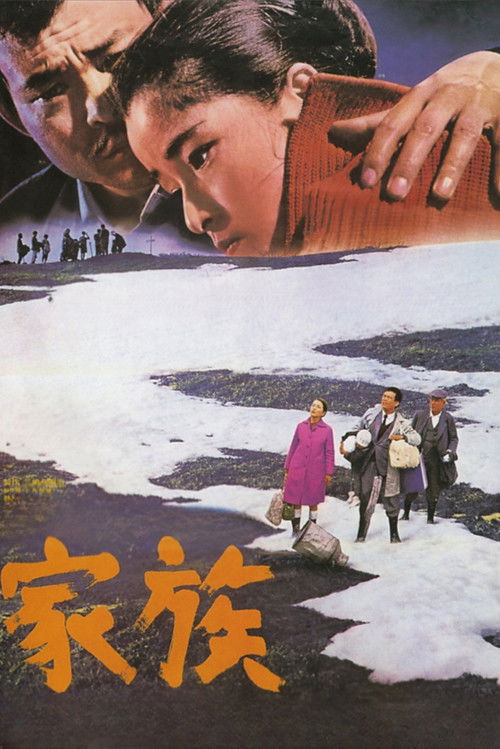
1970

1969
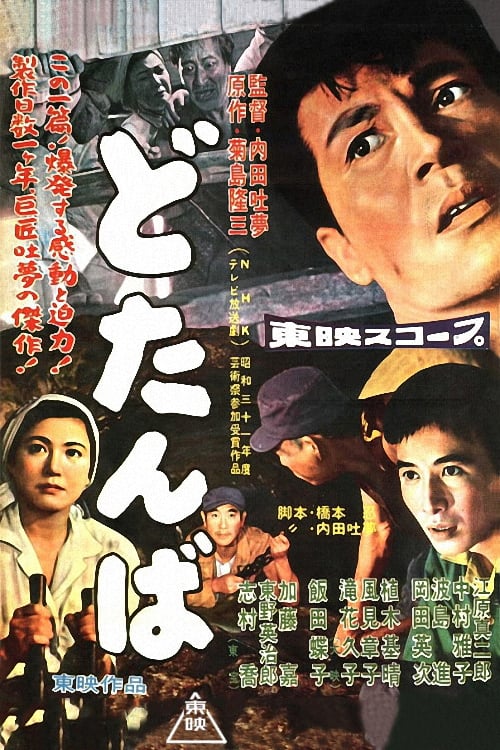
1957
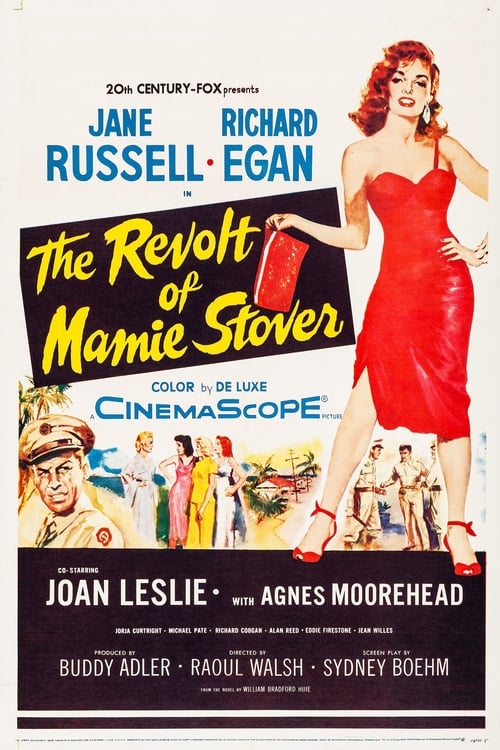
1956
No reviews yet. Be the first to share your thoughts on this movie!
Use the rating form above to leave a star rating and optional review.