The Virgin Spring
1960
No user ratings available yet
Diversity score: 1.8 out of 10
1964
Director
Tadashi Imai
Runtime
112 minutes
Average Rating
No ratings yetSynopsis
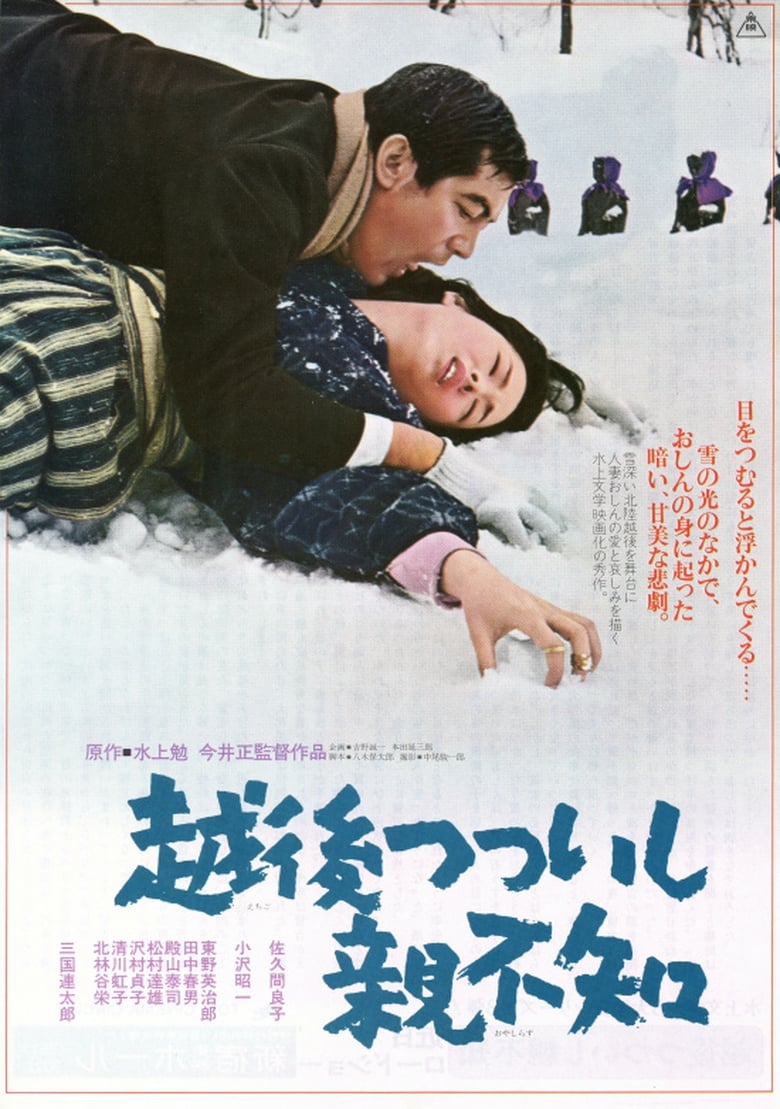
A sake factory worker on holiday returns to his home town, where he rapes the wife of one of his co-workers in the forest. The other man returns home to find his wife changed and suspects that she has been unfaithful.
Overall Score
Minimal
Category Breakdown
LGBTQ+ Representation
The film operates within a traditional historical framework. There are no non-cisnormative gender identities or narratives that challenge heteronormative structures.
Gender Representation
Women are depicted through the lens of domesticity, tragic romance, or spiritual devotion. They often serve as subjects of external circumstances rather than primary agents of change.
Racial & Ethnic Diversity
The cast and setting are ethnically homogeneous, reflecting the film's roots in Japanese folklore. It does not utilize diverse casting to disrupt the cultural landscape.
Religious & Cultural Diversity
The narrative reinforces the importance of religious and folkloric traditions. It explores human morality through a lens of spiritual consequence rather than modern social critique.
Disability Representation
There is no discernible focus on visible or invisible disabilities. No characters have arcs defined by neurodivergence or physical impairment.
Strengths
Areas for Improvement
AI Analysis
A Story from Echigo is a period drama that prioritizes historical authenticity and folkloric tradition over modern intersectional representation. It functions as a classical exploration of the Edo period, adhering strictly to the social hierarchies and spiritual themes of that era. The film's narrative architecture is designed to reflect established cultural structures rather than deconstruct them. Consequently, the representation of marginalized identities is virtually non-existent, as the story focuses on traditional domestic archetypes and religious consequences. While the film succeeds in its goal of historical immersion, it offers no subversion of gender roles or diverse perspectives, remaining a deeply traditionalist work of classical cinema.
1960
1961

1985

1982

1949
1983
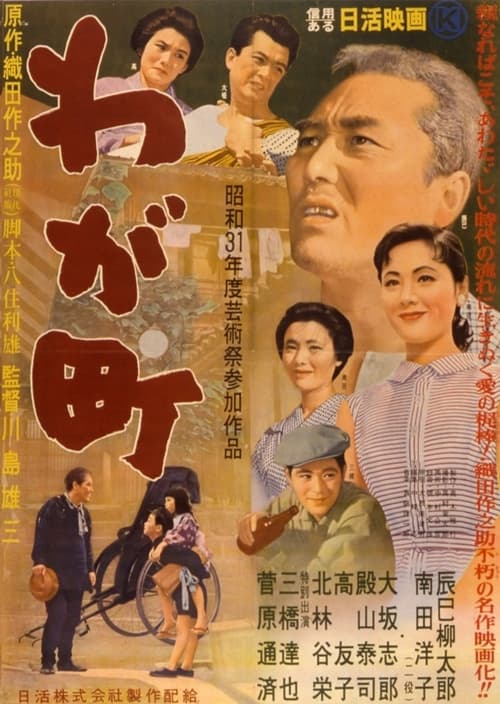
1956
2006
1985

1964
2006
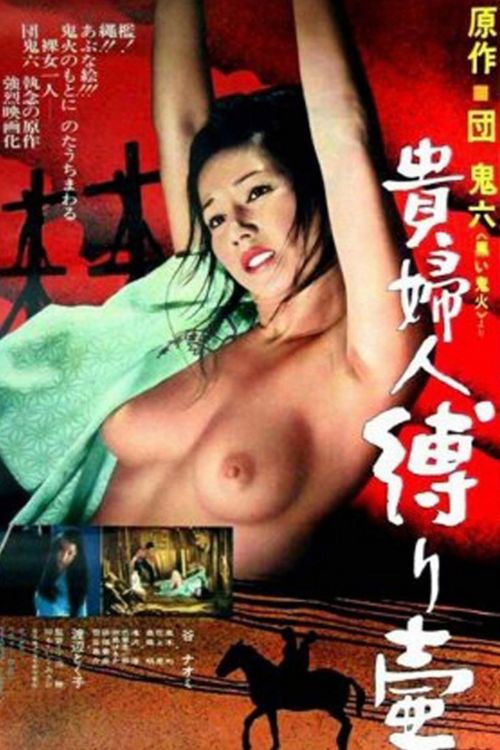
1977
No reviews yet. Be the first to share your thoughts on this movie!
Use the rating form above to leave a star rating and optional review.