A Japanese Tragedy
1953
No user ratings available yet
Representation score: 3.7 out of 10
Representation Score
Fair
1959
Director
Tadashi Imai
Runtime
117 minutes
Average Rating
No ratings yetNew Showbiz Analysis
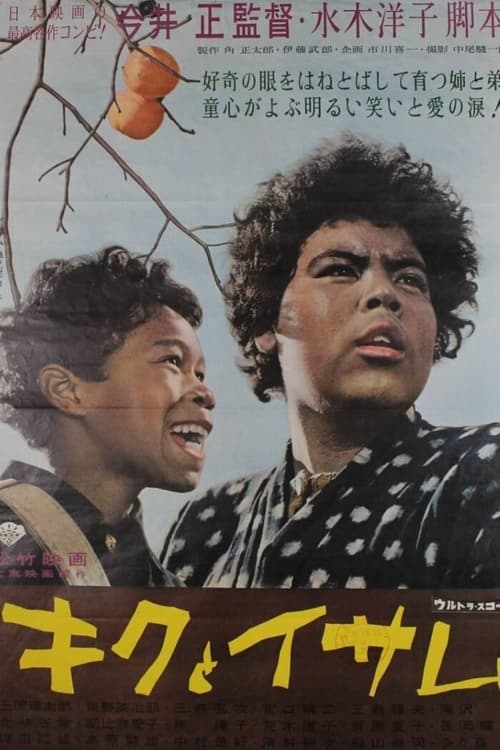
Tadashi Imai’s drama serves as a significant historical document of characters who reflect more than one aspect of diversity. By placing biracial characters at the center of the narrative, the film disrupts the conventional expectations of postwar Japanese cinema. It uses the protagonists' unique racial and socioeconomic positioning to critique the era's rigid social stratification. The film's strength lies in its willingness to examine the friction between individual control and societal structures. It moves beyond superficial treatment of outsiders, instead using their lived experiences to challenge traditional norms. While the film offers a sophisticated exploration of systemic outsiderhood, it lacks representation regarding sexual orientation or disability. The focus remains strictly on the intersection of race, gender, and class.
Category Breakdown
The film does not include explicit LGBTQ+ characters or explore non-straight identities. The narrative focuses on racial and socioeconomic issues.
The story centers on the children of a underrepresented woman working as a prostitute. This focus highlights the challenges she faces in a restrictive postwar society.
The film disrupts Japanese social homogeneity by focusing on biracial children born to a Black GI and a Japanese mother. It explores the complexities of identity in a stigmatized era.
The narrative challenges the sanctity of the traditional family unit and critiques rigid social hierarchies. It examines the pressures faced by those living on the fringes of society.
There is no evidence regarding the portrayal of physical or neurodivergent disabilities in this work.
Present on Screen
Limited or Absent
Official Synopsis
Kiku and her brother Isamu are social outcasts, children of a prostitute mother and black GI father, in postwar Japan.
1953
1957

1959

1956

1951

1961

1959
1936
No reviews yet. Be the first to share your thoughts on this movie!
Use the rating form above to leave a star rating and optional review.