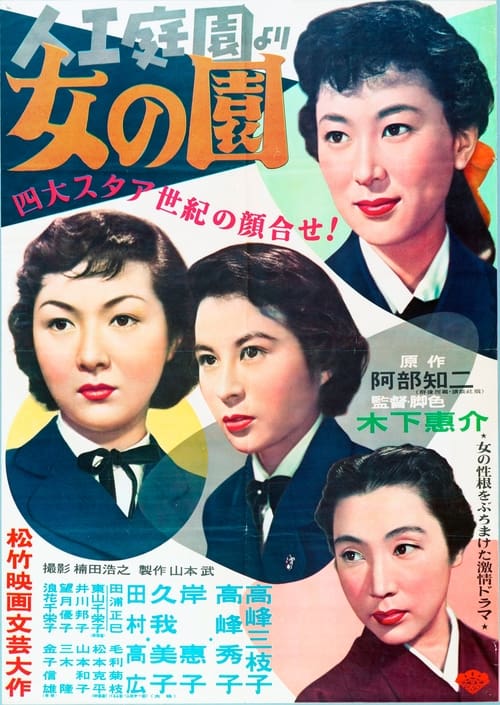
The Garden of Women
1954
No user ratings available yet
Representation score: 5.4 out of 10
Representation Score
Fair
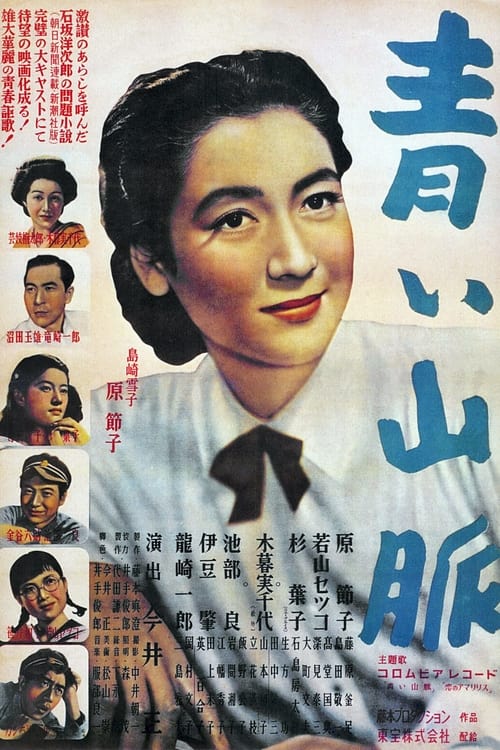
1949
Director
Tadashi Imai
Runtime
92 minutes
Average Rating
No ratings yetNew Showbiz Analysis
The film stands out for its subversion of traditional social hierarchies, primarily through its female-led narrative. By centering a teacher who defies local authority, the story elevates individual conscience over rigid communal expectations. While the film lacks modern multi-layered diversity, it effectively uses the dichotomy between urban and rural life to explore cultural friction. This tension provides a proxy for discussing progressive versus traditionalist identities. Ultimately, the work functions as a character study of moral courage. It challenges the status quo by positioning a progressive protagonist against a conservative, male-dominated establishment.
Category Breakdown
The film explores a relationship that challenges conservative village norms. The specific orientation of the characters is not explicitly stated, but the conflict highlights the friction between urban and rural values.
Yukiko serves as a powerful moral authority rather than a passive figure. She actively challenges patriarchal structures within the faculty and the village through her intellect and courage.
The production depicts a culturally homogeneous Japanese society. It uses the tension between cosmopolitan Tokyo and insular rural life to explore different cultural identities.
The narrative critiques traditional institutions by framing conservative villagers and faculty as antagonistic forces. It prioritizes individual ability to act over the oppressive weight of communal dogma.
There is no evidence regarding the portrayal of physical or neurodivergent disabilities in the film.
Present on Screen
Limited or Absent
Official Synopsis
Teacher Yukiko finds herself in opposition to conservative faculty and villagers after defending a student for being in a relationship with a young man from Tokyo.
1954
1952
1937
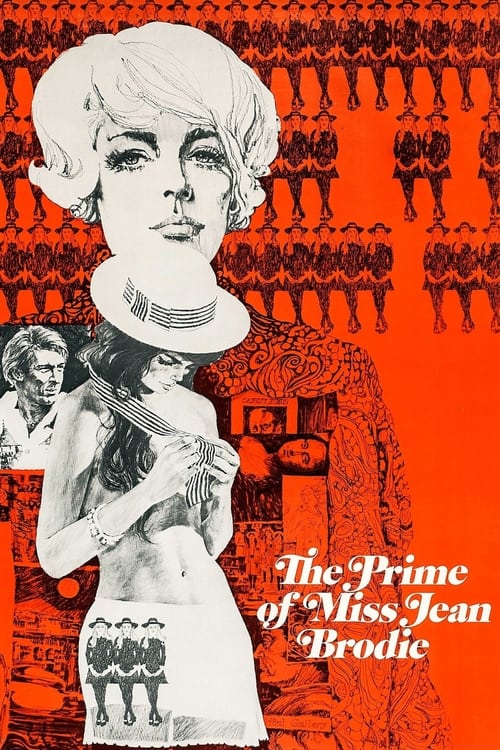
1969
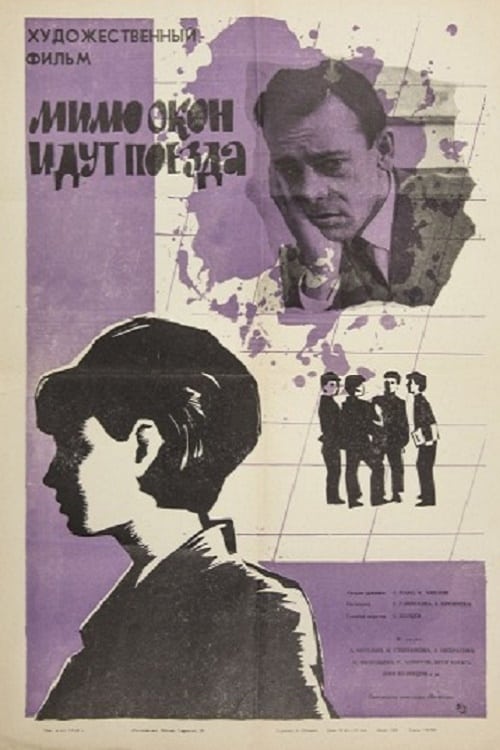
1966
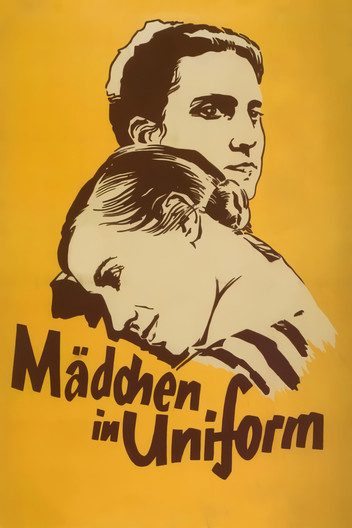
1931
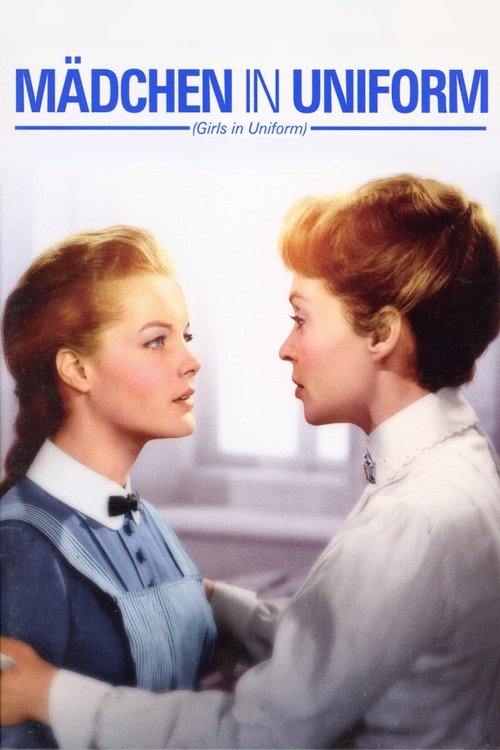
1958
1951
No reviews yet. Be the first to share your thoughts on this movie!
Use the rating form above to leave a star rating and optional review.