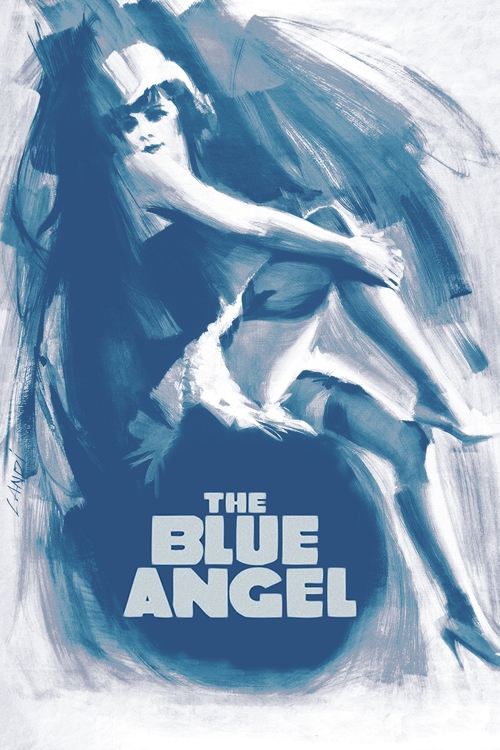
The Blue Angel
1930
No user ratings available yet
Diversity score: 5.1 out of 10
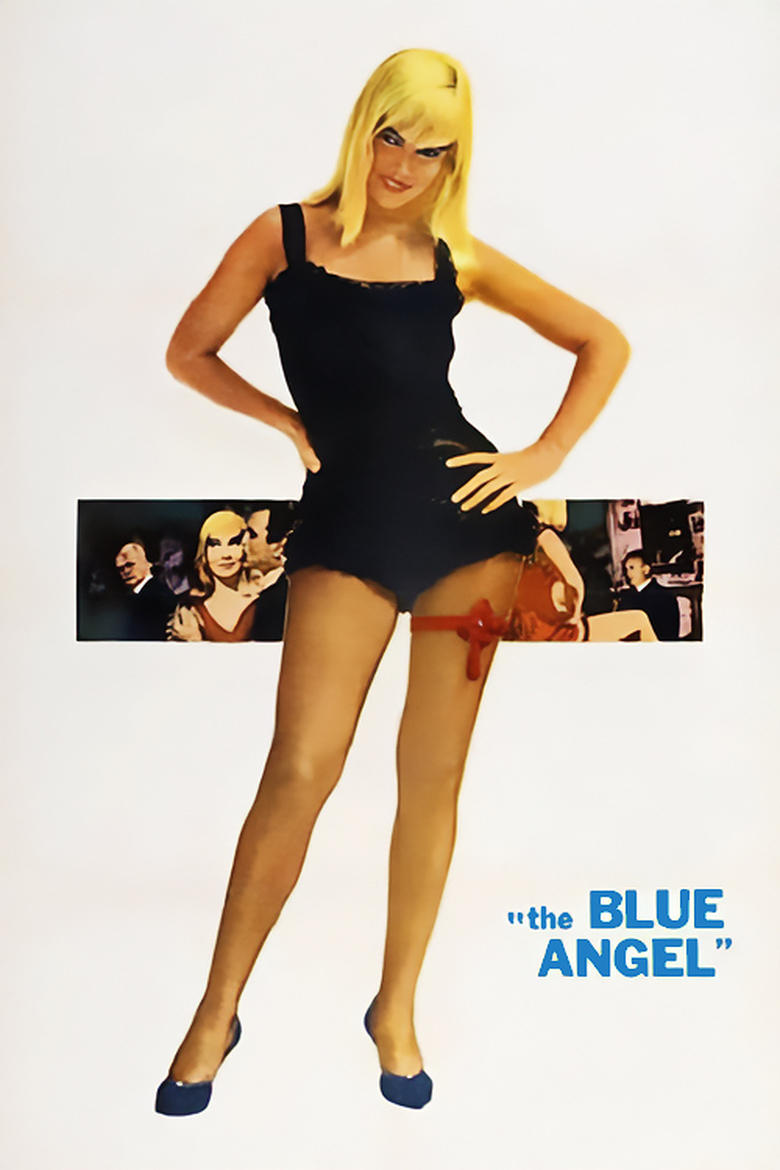
1959
ApprovedDirector
Edward Dmytryk
Runtime
107 minutes
Average Rating
No ratings yetSynopsis
Remake of Josef von Sternberg's 1930 classic.
Overall Score
Limited
Category Breakdown
LGBTQ+ Representation
The film lacks LGBTQ+ characters or non-heteronormative identities. The central conflict relies entirely on a destructive heterosexual obsession.
Gender Representation
The narrative subverts traditional hierarchies by systematically emasculating the male protagonist. While the professor loses his agency, the female lead exerts dominant psychological and social control.
Racial & Ethnic Diversity
The production features a homogeneous, Western European cast. There is no evidence of racial blending or non-white representation in the primary cast.
Religious & Cultural Diversity
The story critiques the stability of middle-class respectability and professional decorum. It uses the cabaret setting to explore moral relativism and the fragility of social institutions.
Disability Representation
There are no visible or invisible disabilities portrayed within the narrative.
Strengths
Areas for Improvement
AI Analysis
The film is a narrow psychological study focused on the collapse of individual authority rather than a broad demographic survey. It lacks representation for LGBTQ+ identities and people with disabilities, and the cast remains racially homogeneous. However, the film offers a sophisticated subversion of gendered power dynamics. By stripping the male lead of his academic status and agency, it disrupts conventional expectations of masculine leadership. Ultimately, the work prioritizes a critique of social hierarchies and moral stability over inclusive casting or diverse character backgrounds.
1930
1962
1928
1937
1957
1941
1953
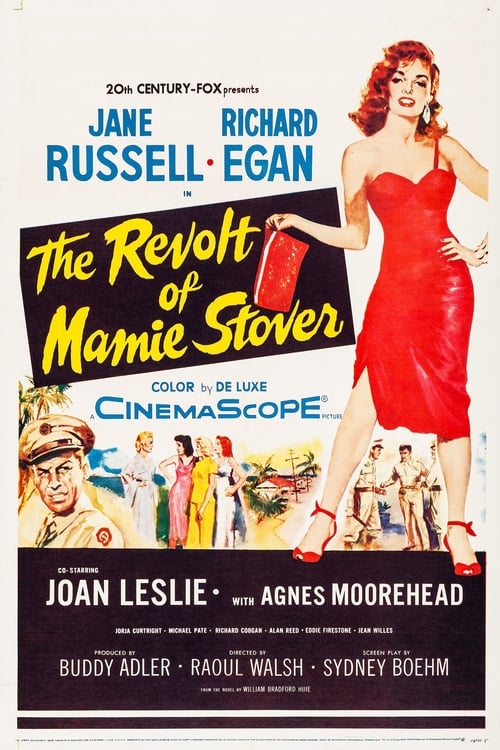
1956

1975
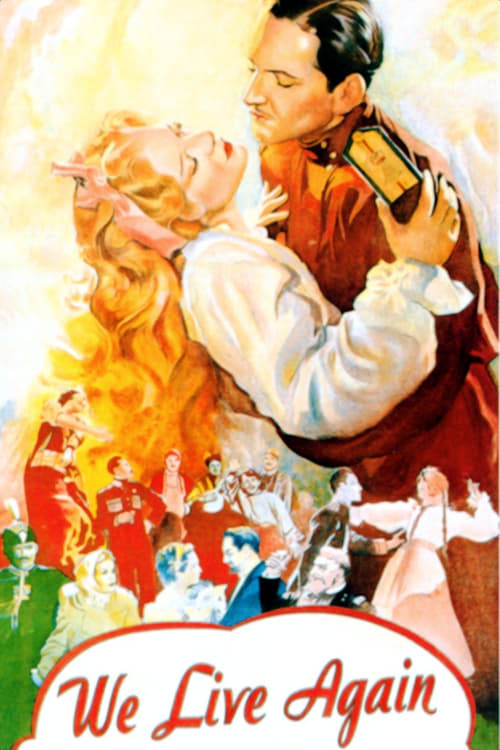
1934
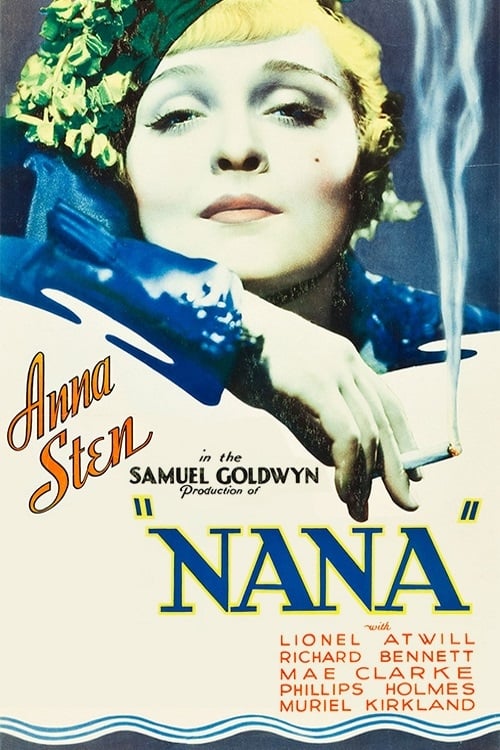
1934
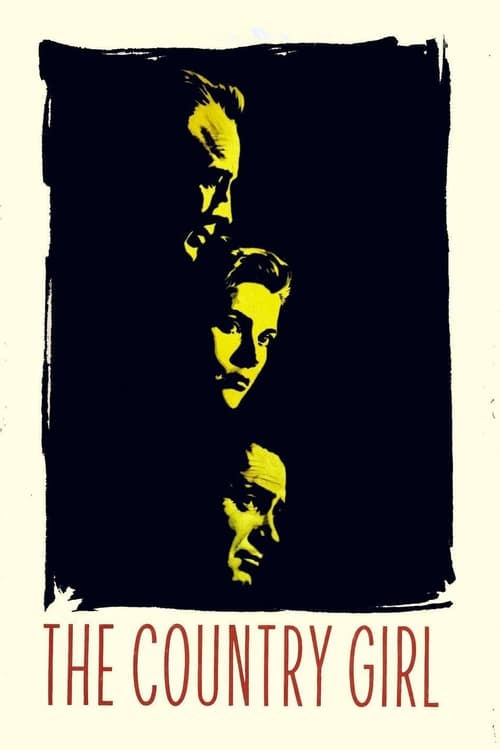
1954
No reviews yet. Be the first to share your thoughts on this movie!
Use the rating form above to leave a star rating and optional review.