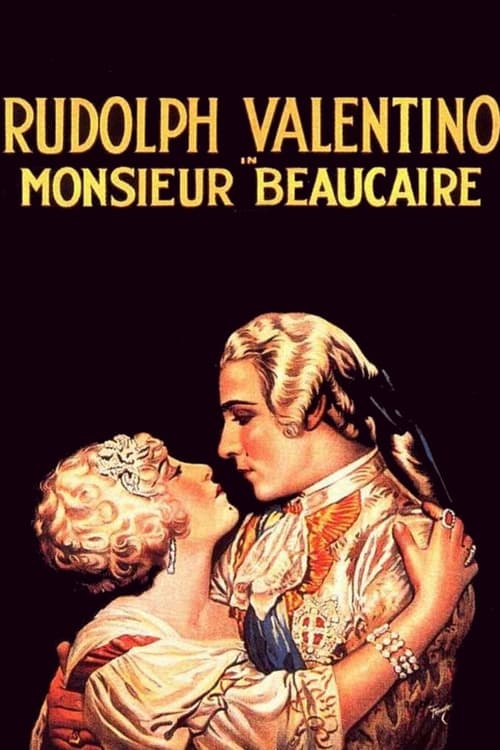
Monsieur Beaucaire
1924
No user ratings available yet
Diversity score: 2.2 out of 10

1922
NRDirector
Emmett J. Flynn
Runtime
100 minutes
Average Rating
No ratings yetSynopsis
Young sailor Edmond Dantès is wrongfully imprisoned, escapes, finds treasure, and reinvents himself as the wealthy Count of Monte Cristo to exact revenge on those who betrayed him.
Overall Score
Limited
Category Breakdown
LGBTQ+ Representation
The film lacks LGBTQ+ characters or explorations of non-heteronormative identities. The romantic arc remains centered on the traditional pairing of Edmond Dantès and Mercedes.
Gender Representation
Female characters like Mercedes serve primarily as emotional anchors for the protagonist. The narrative prioritizes the male journey of transformation and power over female agency.
Racial & Ethnic Diversity
The cast is predominantly white, reflecting the Eurocentric setting and 1922 production standards. There is no evidence of race-bent casting or efforts to disrupt the era's homogeneous demographics.
Religious & Cultural Diversity
The story uses religious and socioeconomic frameworks as standard backdrops for drama. It focuses on personal vengeance rather than offering a systemic critique of Western institutions.
Disability Representation
Abbé Faria is depicted as a prisoner perceived to be mad. This portrayal serves as a narrative device for the protagonist's education rather than a nuanced depiction of mental health.
Strengths
Areas for Improvement
AI Analysis
This 1922 adaptation of Alexandre Dumas' classic is a period drama that strictly adheres to the social and narrative conventions of the silent film era. It functions as a traditional melodrama centered on individual retribution and masculine-led storytelling. The film lacks intersectional representation, relying on established tropes regarding gender and social roles. Its focus on a singular protagonist's journey reinforces the era's standard hierarchies rather than challenging them. Ultimately, the production reflects the historical constraints of early 20th-century cinema, offering a homogeneous view of character and identity that aligns with the source material's Eurocentric origins.
1924

1915

1926
1929
1948
1940
1935
1923
1932
1924

1933
1926
No reviews yet. Be the first to share your thoughts on this movie!
Use the rating form above to leave a star rating and optional review.