The Lion of the Moguls
1924
No user ratings available yet
Representation score: 5.0 out of 10
Representation Score
Limited
1926
Director
Jean Epstein
Runtime
88 minutes
Average Rating
No ratings yetNew Showbiz Analysis
Jean Epstein’s *Mauprat* is a psychological drama grounded in the French Impressionist tradition. Its strength lies in its narrative deconstruction of class rather than demographic diversity. The film complicates traditional Western hierarchies by juxtaposing criminal upbringing against aristocratic heritage. While the film lacks modern characters who reflect more than one aspect of diversity, it offers moral complexity regarding social standing. The tension between the brigand Tristan and the noble Hubert disrupts the notion of aristocratic stability. Ultimately, the work is a product of its historical context, prioritizing emotional depth over social diversity.
Category Breakdown
The film adheres to the social norms of 1920s France, where there are no openly LGBTQ+ characters or same-sex relationships. Instead, it focuses on heterosexual romances.
Edmée is shown as an intrepid character, diverging from passive female roles. However, the plot remains centered around male dominance and conflicts within a patriarchal society.
The cast is ethnically uniform, mirroring the demographics of its time period. There are no non-white characters featured in this historical French film.
The story delves into class tensions and the clash between declining aristocracy and individual identity. It challenges social hierarchies through the conflict between criminal background and noble heritage.
There are no prominent portrayals of physical or neurodivergent disabilities. Such traits do not play a central role in the plot or character development.
Present on Screen
Limited or Absent
Official Synopsis
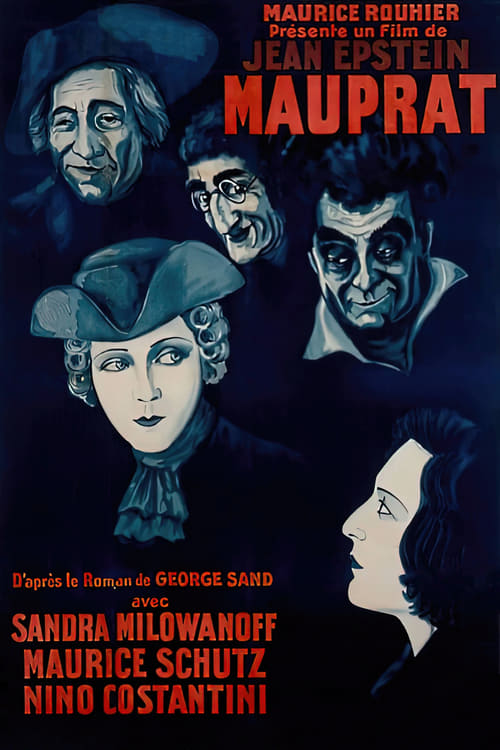
Romantic novelist George Sand's Mauprat as adapted by cinema visionary Jean Epstein. As a child, orphan Bernard de Mauprat was adopted by Tristan, a brigand who brought him up with his biological sons to hate, kill and pillage. Hubert de Mauprat, the elder brother of Tristan, the very incarnation of nobility, and his daughter, the beautiful and intrepid Edmée, undertake to tear wild-eyed Bernard away from his uncle. Still uncouth and rough, Bernard endeavors to wrest the love of Edmée away from her betrothed.
1924
1945

1923
1945
1922
1920
1926
1925
No reviews yet. Be the first to share your thoughts on this movie!
Use the rating form above to leave a star rating and optional review.