
His Greatest Gamble
1934
No user ratings available yet
Representation score: 1.3 out of 10
Representation Score
Minimal
1935
ApprovedDirector
Albert S. Rogell
Runtime
64 minutes
Average Rating
No ratings yetNew Showbiz Analysis
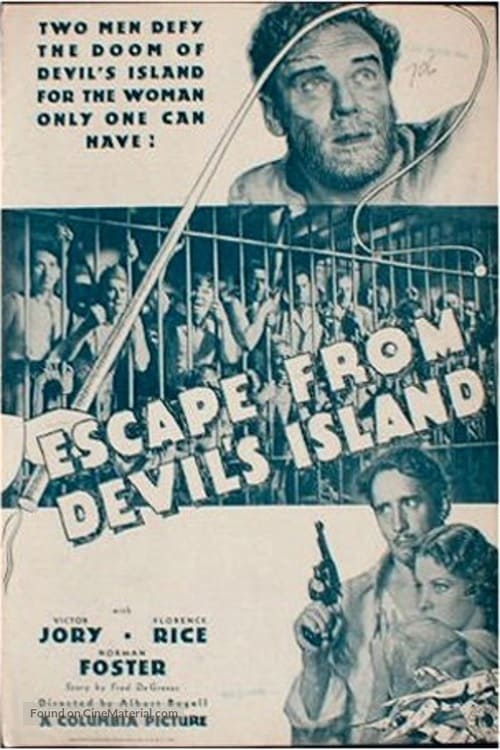
Escape from Devil's Island is a period drama centered around traditional masculine roles and interpersonal conflicts. The plot revolves around a romantic rivalry between two men escaping a French penal colony, anchored in conventional heterosexual clichés. While the film offers a critique of state-imposed confinement and institutional authority, it lacks modern multi-layered complexity. The narrative emphasizes individual survival and romantic competition over any intentional disruption of social hierarchies. Ultimately, the film operates as a typical genre piece of the mid-1930s era. It does not challenge conventional social expectations regarding gender, race, or identity, focusing instead on the tension between individual ability to act and state control.
Category Breakdown
The film doesn't include any characters with non-straight or non-cisgender identities. The main conflict revolves around romantic jealousy within a traditional framework, without any queer perspectives.
The story focuses heavily on male characters and their interactions, such as prisoners and guards. Women are portrayed primarily as objects of male jealousy rather than as active participants in their own stories.
The film does not show a commitment to diverse racial representation. It follows the homogeneous casting practices typical of 1930s studio films, without exploring the complexities of racial diversity.
The film critiques institutional authority by showing the penal colony as an oppressive place. However, this critique is based on survivalist themes rather than a deliberate ideological challenge.
There are no characters with visible or invisible disabilities featured prominently in the story or used to drive the narrative.
Present on Screen
Limited or Absent
Official Synopsis
Two men escape from the French penal colony but not from their jealousy over a woman.
1934

1952
1949
1932
1933

1937
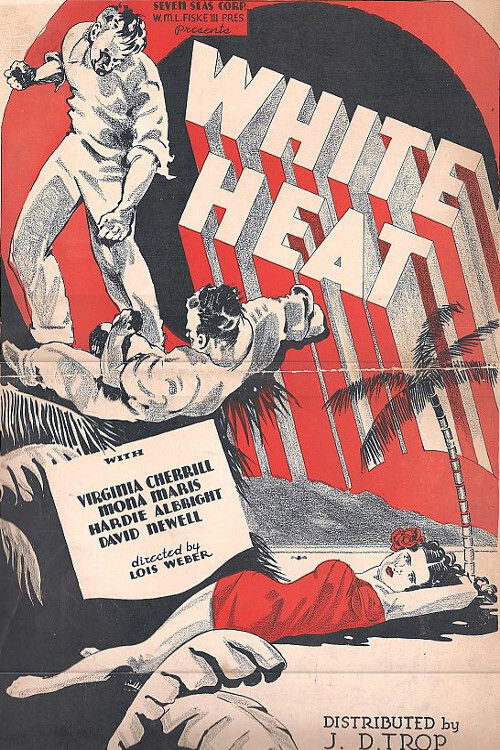
1934

1931
No reviews yet. Be the first to share your thoughts on this movie!
Use the rating form above to leave a star rating and optional review.