
After the Dance
1935
No user ratings available yet
Diversity score: 2.3 out of 10
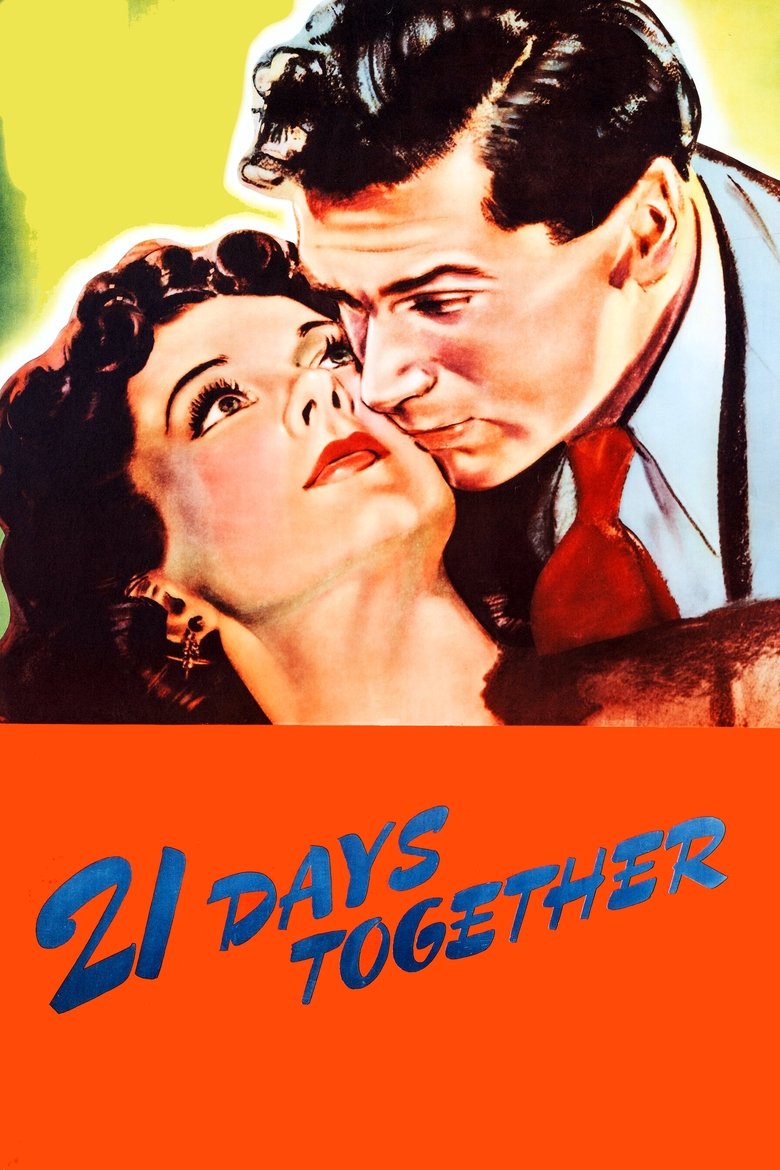
1940
NRDirector
Basil Dean
Runtime
72 minutes
Average Rating
No ratings yetSynopsis
After Larry Darrent accidentally kills his lover's blackmailing husband, someone else is arrested for the crime. When he is found guilty, Larry and Wanda have just three weeks together before he must give himself up or let an innocent man go to the gallows.
Overall Score
Limited
Category Breakdown
LGBTQ+ Representation
The film focuses on a heterosexual romantic entanglement between Larry, Wanda, and a blackmailing husband. There is no evidence of non-cisnormative identities or narratives that critique heteronormativity.
Gender Representation
The plot is driven by male characters' actions and moral dilemmas. While Wanda is central to the emotional stakes, the narrative structure reflects traditional mid-century roles where women serve as emotional catalysts.
Racial & Ethnic Diversity
The film likely reflects the homogeneous demographic standards of 1940s British cinema. There is no evidence of non-Anglo-Saxon characters or diverse casting within the production.
Religious & Cultural Diversity
The story explores individualistic ethics regarding guilt and legal justice. It reinforces traditional notions of personal responsibility and the sanctity of the law rather than deconstructing institutions.
Disability Representation
There is no evidence suggesting the inclusion of characters with physical or neurodivergent disabilities.
Strengths
Areas for Improvement
AI Analysis
21 Days is a standard mid-century melodrama that prioritizes individual morality and romantic tension. The narrative follows a traditional arc centered on a male protagonist's crisis of conscience following an accidental killing. The film adheres to the demographic and social norms of 1940s British cinema. It lacks representation of marginalized identities, focusing instead on a homogeneous cast and conventional social structures. Ultimately, the work functions as a period-typical drama. It emphasizes personal accountability and legal consequences rather than exploring intersectional perspectives or systemic social critiques.
1935

1931

1936

1934
1942
1933
1932
1933
1939

1933
1958
1935
No reviews yet. Be the first to share your thoughts on this movie!
Use the rating form above to leave a star rating and optional review.