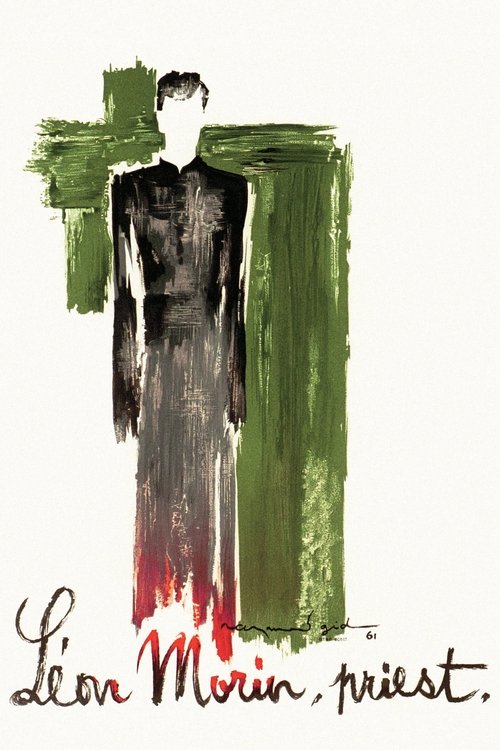
Léon Morin, Priest
1961
No user ratings available yet
Representation score: 2.9 out of 10
Representation Score
Limited
1948
Director
Christian-Jaque
Runtime
170 minutes
Average Rating
No ratings yetNew Showbiz Analysis
The film is a traditional period drama that emphasizes historical authenticity and classical literary themes. It explores the conflict between individuals and institutions like the Church and State, but through a conventional lens. While the narrative offers character depth, it upholds the social and demographic norms of its time. The representation is firmly rooted in the 19th-century context, lacking modern perspectives that reflect multiple aspects of identity. Ultimately, the work serves as a study of moral dilemmas within a highly structured, traditional hierarchy, with limited demographic diversity.
Category Breakdown
The film focuses on heterosexual relationships and does not include any non-assuming gender matches what was assigned at birth gender identities or same-sex intimacy.
Female characters such as the Countess of Sanseverine play significant roles in driving the plot, though their influence is mainly through romantic pursuits rather than systemic changes.
The cast is primarily white and European, reflecting the 19th-century Italian setting. The narrative centers on aristocratic and clerical environments that were historically homogeneous.
The story examines the tension between personal desires and institutional authority, particularly the Church. It explores moral dilemmas within a traditional Western framework.
There are no prominent depictions of physical or neurodivergent disabilities. The focus remains on the socio-political and romantic journeys of the main characters.
Present on Screen
Limited or Absent
Official Synopsis
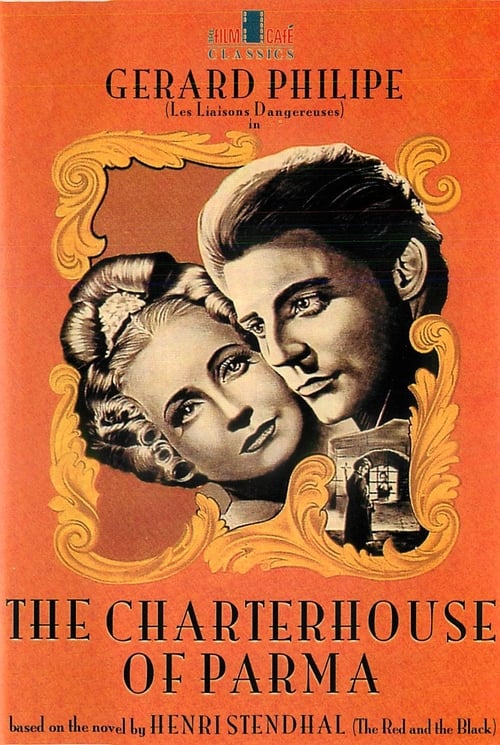
This adaptation of Stendhal's timeless masterpiece of French literature tells the tale of Fabrice Del Dongo (Grard Philipe) a young archibishop who gives his heart and soul to romance rather than to the Church creating upheaval in the lives of evergone around him the Countess of Sanseverine (Maria Casares) is but one of the may women who love him. In turn she incurs jealous retributions from those in high places who desire her. For his crimes Fabrice is thrown in Prison where from Crimes Fabrice is thrown in prison where form his lonely window he falls in love with his jailer s daughter and plans a daring escape she however calls his plan insane and takes a vow to the Virgin Mary to never see him again ever if his escape succeeds the Charterhouse of Parma explodes with conflicting desires man s desire form God vs. his desire for romance.
1961
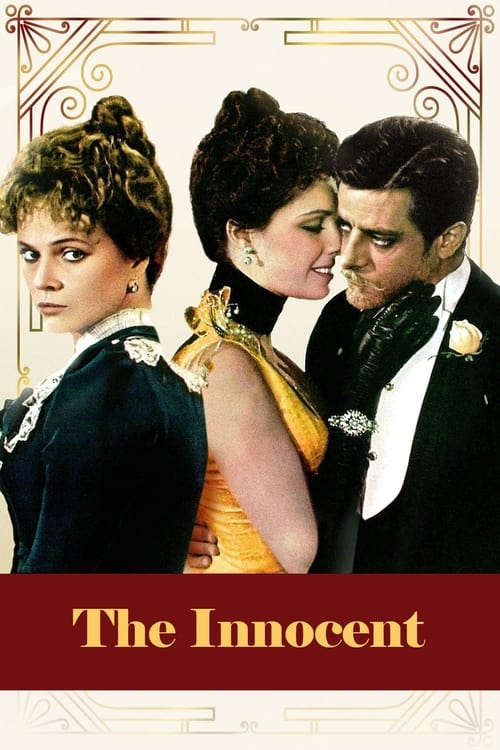
1976
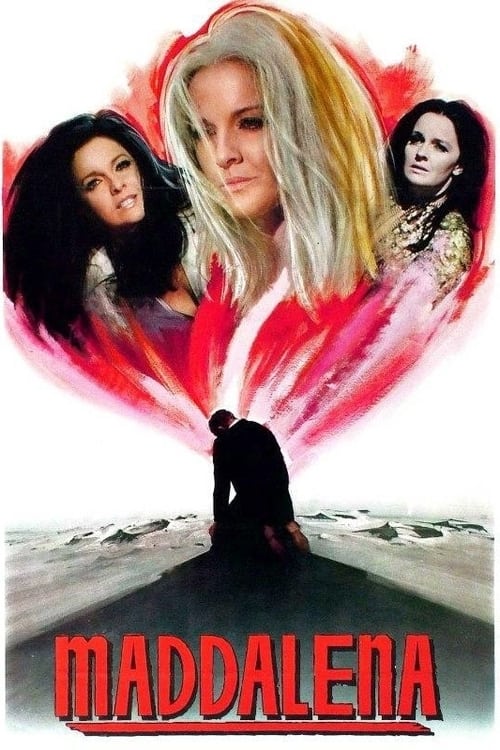
1971
1935

1984
1999
1955

1989
No reviews yet. Be the first to share your thoughts on this movie!
Use the rating form above to leave a star rating and optional review.