
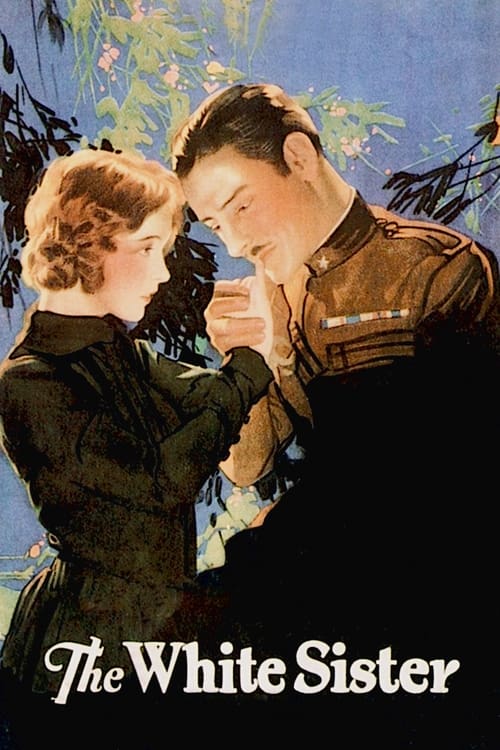
The White Sister
1933
No user ratings available yet
Representation score: 0.8 out of 10
Representation Score
Minimal
1923
Director
Henry King
Runtime
135 minutes
Average Rating
No ratings yetNew Showbiz Analysis
The film is a classic early Hollywood melodrama that prioritizes traditional moral frameworks and sentimentalism. It functions as a study of individual spiritual and romantic struggle rather than a critique of social structures. While the protagonist displays personal strength, the narrative remains tethered to patriarchal and Eurocentric perspectives. The film upholds established religious and familial hierarchies instead of challenging them. Ultimately, the work lacks complexity in reflecting multiple aspects of identity, relying on conventional formulas and Western-centric viewpoints to drive its dramatic tension.
Category Breakdown
The film focuses entirely on straight relationships and religious devotion. There is no presence of queer identities or subtext within the narrative.
Angela shows resilience through poverty and her choice of service. However, her role is largely defined by her relationships with her father and her fiancé.
The cast is primarily white and European. While the plot involves Africa and Arabs, these elements function as mere backdrops for a Eurocentric melodrama.
The story centers on Catholic institutions and religious vows. It reinforces traditional Western concepts of honor, grief, and spiritual devotion.
There are no prominent depictions of physical or neurodivergent disabilities that impact the characters or the plot.
Present on Screen
Limited or Absent
Official Synopsis
Angela Chiaromonte is the daughter of a wealthy Italian prince who is killed in a fall from his horse. Though Angela stands to inherit half of a large estate, her older half-sister burns the will and thus inherits everything herself, throwing Angela into poverty. Fortunately, Angela is engaged to marry dashing Captain Giovanni Severi - but he soon is captured by Arabs while on an expedition to Africa. Believing him dead, Angela, dedicating her life to his memory, becomes a nun, unaware that her lover has escaped his captors and is returning to Italy. The dramatic climax takes place against a backdrop of the eruption of Mount Vesuvius.
1933
1925

1921

1923

1944

1915
1926
1926
No reviews yet. Be the first to share your thoughts on this movie!
Use the rating form above to leave a star rating and optional review.