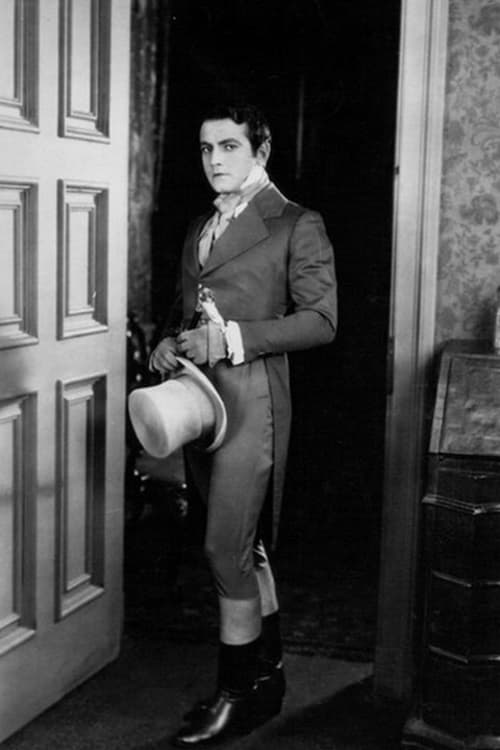
The Amateur Gentleman
1926
No user ratings available yet
Diversity score: 2.8 out of 10

1924
NRDirector
Sidney Olcott
Runtime
106 minutes
Average Rating
No ratings yetSynopsis
The Duke of Chartres is in love with Princess Henriette, but she seemingly wants nothing to do with him. Eventually he grows tired of her insults and flees to England when Louis XV insists that the two marry. He goes undercover as Monsieur Beaucaire, the barber of the French Ambassador, and finds that he enjoys the freedom of a commoner’s life. After catching the Duke of Winterset cheating at cards, he forces him to introduce him as a nobleman to Lady Mary, with whom he has become infatuated. When Lady Mary is led to believe that the Duke of Chartres is merely a barber she loses interest in him. She eventually learns that he is a nobleman after all and tries to win him back, but the Duke of Chartres opts to return to France and Princess Henriette who now returns his affection.
Overall Score
Limited
Category Breakdown
LGBTQ+ Representation
The film follows a strictly heteronormative romantic structure. There is no presence of non-cisnormative identities or same-sex intimacy within the narrative.
Gender Representation
Princess Henriette shows brief agency by rejecting the Duke, but the story ultimately settles into traditional romantic acceptance. The plot prioritizes masculine social maneuvering and deception.
Racial & Ethnic Diversity
The setting focuses on a homogeneous European aristocracy. The narrative centers on French and English nobility without including non-white characters in significant roles.
Religious & Cultural Diversity
This period piece reinforces romanticized aristocratic ideals rather than critiquing monarchy. It uses class friction as a tool for romantic comedy within established social mores.
Disability Representation
There are no characters with visible or invisible disabilities. Disability is not utilized as a narrative device or plot point.
Strengths
Areas for Improvement
AI Analysis
Monsieur Beaucaire is a traditional period drama that prioritizes class-based deception and romantic tropes over social critique. The story navigates 18th-century hierarchies through the lens of individual identity and social mobility, rather than challenging the status quo. The film lacks intersectional complexity, focusing almost exclusively on the romantic pursuits of the European nobility. It adheres to the conventional social orders and gender roles typical of the era's storytelling. Ultimately, the production serves as a classic example of early silent cinema's focus on romanticized historical aesthetics and stratified social structures.
1926
1944
1926
1934
1931
1922
1922
1926

1915
1921
1940
1926
No reviews yet. Be the first to share your thoughts on this movie!
Use the rating form above to leave a star rating and optional review.