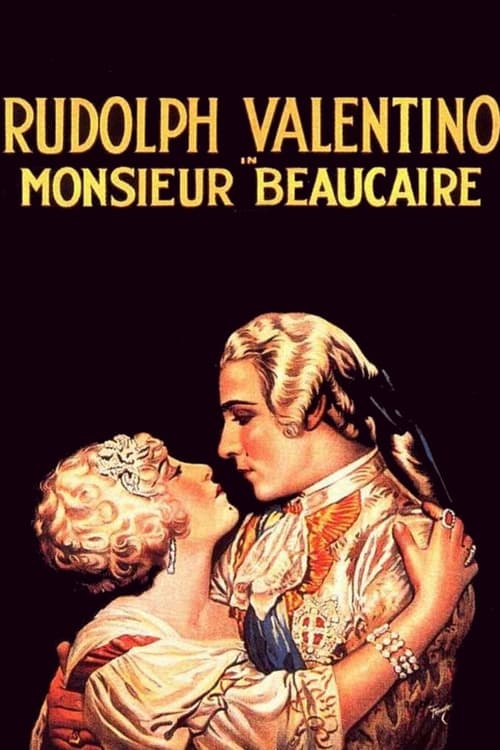
Monsieur Beaucaire
1924
No user ratings available yet
Diversity score: 2.2 out of 10
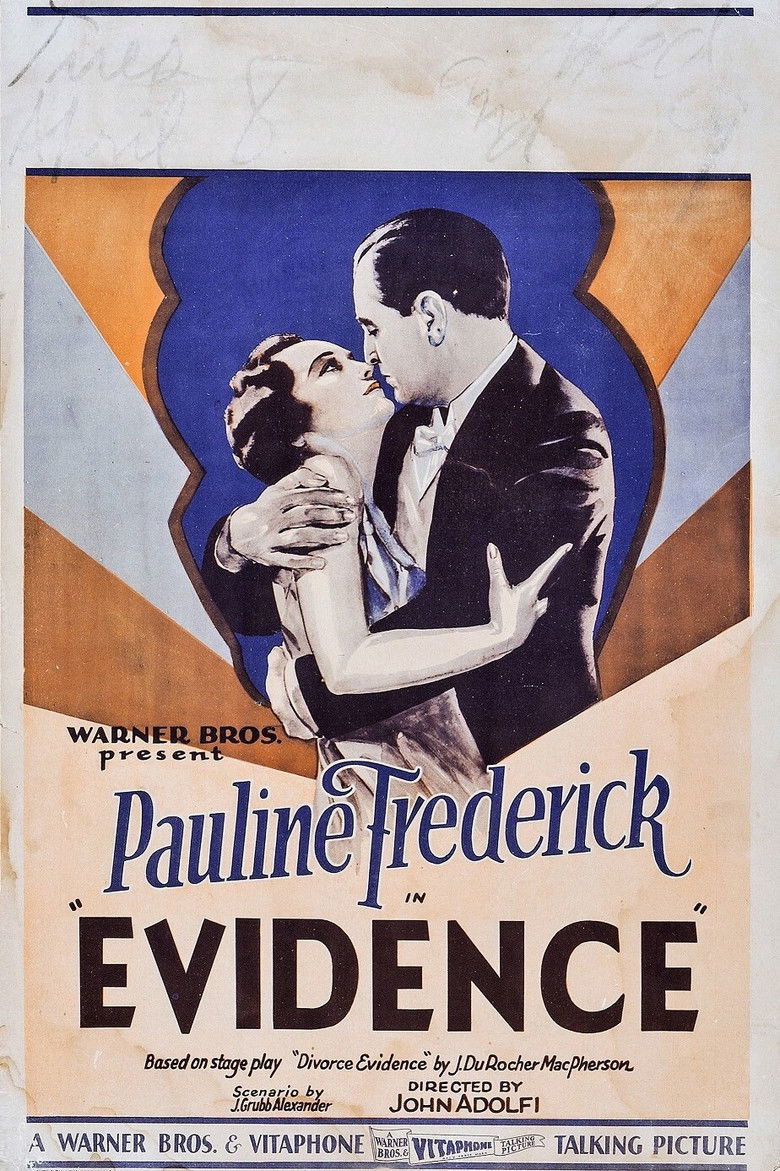
1929
PassedDirector
John G. Adolfi
Runtime
70 minutes
Average Rating
No ratings yetSynopsis
Lord Cyril Wimborne, a barrister, divorces his wife, Myra, and takes custody of their child, Kenyon, when he finds her name linked with the profligate Major Pollock. Myra goes into seclusion while Pollock, intending to conceal Myra's innocence, goes to Burma. A few years later Myra sees Kenyon in the park with Mrs. Debenham, a widow with designs on Wimborne. Noting the resemblance between the lady in the park (whom he calls his "princess") and a photograph of his mother, Kenyon invites Myra to dinner at a time when his father, who has curtailed the visits to the park, plans to be away. At the same time Harold Courtenay, an old family friend, sees an opportunity to reunite the estranged couple.
Overall Score
Limited
Category Breakdown
LGBTQ+ Representation
The film focuses entirely on heteronormative romantic structures. There is no evidence of queer subtext or non-cisnormative identities within the narrative.
Gender Representation
Gender roles follow a traditional hierarchy. Lord Cyril Wimborne holds significant agency through legal custody, while Myra occupies a reactive role defined by her social seclusion.
Racial & Ethnic Diversity
The story centers on the British upper class and an Anglo-Saxon social circle. While Burma is mentioned, no non-white characters with agency are depicted.
Religious & Cultural Diversity
The plot reinforces Western social institutions and the importance of reputation. Conflict resolution relies on traditional social reintegration and the mediation of family friends.
Disability Representation
The narrative contains no mention of characters navigating physical, sensory, or neurodivergent conditions.
Strengths
Areas for Improvement
AI Analysis
Evidence is a period drama that reinforces the social hierarchies and conventional gender roles of the early 20th century. The narrative structure prioritizes marital dissolution and the preservation of reputation within the British upper class. The film lacks intersectional complexity, focusing instead on the domestic concerns of a specific social stratum. While it explores themes of family and reconciliation, it does so through a strictly traditional lens. Ultimately, the work functions as a standard dramatic trope of its era, offering little representation for marginalized identities or non-traditional social structures.
1924
1924
1921
1932

1934

1931
1933

1936
1931
1933
1940
1929
No reviews yet. Be the first to share your thoughts on this movie!
Use the rating form above to leave a star rating and optional review.