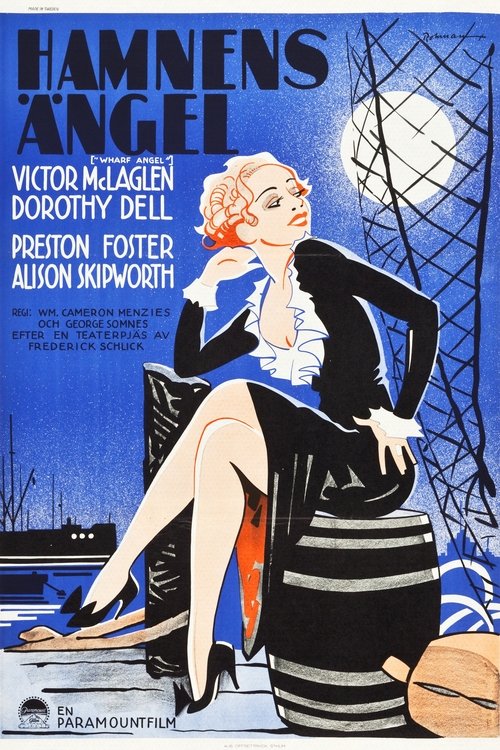
Wharf Angel
1934
No user ratings available yet
Representation score: 0.8 out of 10
Representation Score
Minimal
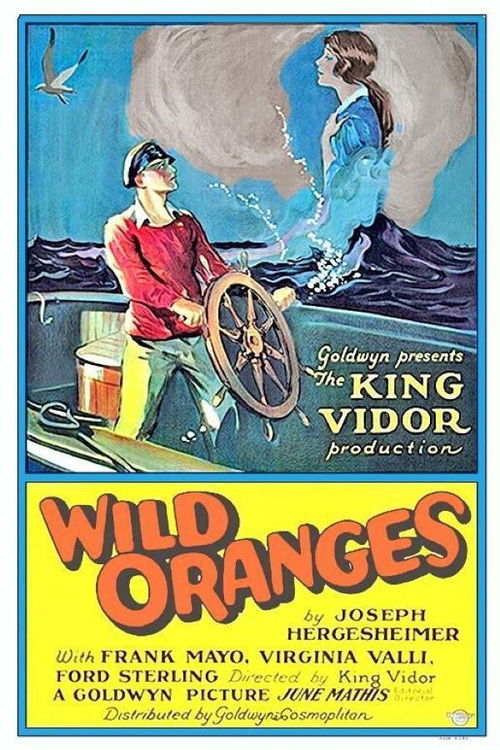
1924
PassedDirector
King Vidor
Runtime
88 minutes
Average Rating
No ratings yetNew Showbiz Analysis
Wild Oranges is a classic silent-era melodrama that relies heavily on established social hierarchies and traditional romantic clichés. While Millie Stope is a central protagonist, her role is largely defined by her interactions with the men around her. The film lacks complexity in its portrayal of diverse identities, offering a narrative that aligns with the homogeneous casting and moral structures typical of 1924 Hollywood. It functions as a standard character-driven drama without challenging systemic norms or introducing diverse perspectives.
Category Breakdown
The film does not include any LGBTQ+ characters or non-straight relationships. The main romance is between Millie and John Woolfolk, following a traditional heterosexual path.
Millie Stope is the central figure, but her role is defined by her relationships with men. The narrative adheres to conventional early 20th-century gender dynamics.
The island setting and character descriptions suggest a homogeneous, likely Anglo-Saxon cast. There is no indication of racial or ethnic diversity in the narrative.
The plot uses a standard moral framework involving a fugitive and a stabilizing romantic interest. It reinforces established legal and moral hierarchies.
There are no characters with physical or invisible disabilities. Neurodivergent traits are not used as narrative devices.
Present on Screen
Limited or Absent
Official Synopsis
Millie Stope lives with her grandfather on a remote island. Man-child Nicholas, a fugitive from justice, also lives there and is terrorizing them - and he's interested in Millie. One day widower John Woolfolk, sailing on his yacht, happens upon the island. Soon he and Millie fall in love. Will jealous Nicholas stand for this?
1934

1931
1932

1934

1926
1927
1934

1931
No reviews yet. Be the first to share your thoughts on this movie!
Use the rating form above to leave a star rating and optional review.