
The Price She Paid
1924
No user ratings available yet
Diversity score: 2.6 out of 10

1926
PassedDirector
Lothar Mendes
Runtime
84 minutes
Average Rating
No ratings yetSynopsis
Francis, the result of a clandestine marriage between the Duke of Chatsfield and a peasant girl, after being raised in a monastery following his parents death assumes his title but falls victim to a pair of schemers leading to much heartache before all is set aright before the fadeout.
Overall Score
Limited
Category Breakdown
LGBTQ+ Representation
The film lacks any indication of non-heteronormative identities or same-sex intimacy. The narrative remains focused on a singular romantic drama.
Gender Representation
The story relies on traditional romantic tropes. There is no evidence of women exercising agency that subverts hierarchies or demonstrates strength superior to men.
Racial & Ethnic Diversity
The setting suggests a Eurocentric, class-based social structure. There is no mention of racial blending or non-Anglo-Saxon casting within the narrative.
Religious & Cultural Diversity
The film emphasizes Western values like lineage and the sanctity of marriage. It reinforces social stability rather than critiquing institutions like the aristocracy.
Disability Representation
The synopsis provides no evidence of characters navigating physical, sensory, or neurodivergent experiences.
Strengths
Areas for Improvement
AI Analysis
The Prince of Tempters functions as a classic 1920s melodrama centered on class mobility and the restoration of social order. While the protagonist's mixed-class parentage introduces tension, the film ultimately seeks to stabilize established hierarchies rather than challenge them. The narrative is deeply rooted in Eurocentric archetypes, focusing on dukes, monasteries, and peasants. This creates a homogeneous social environment that lacks racial or ethnic breadth. Ultimately, the film adheres to conservative dramatic conventions. It prioritizes the preservation of status and traditional moral structures over intersectional representation or systemic critique.
1924
1928
1923
1926
1926
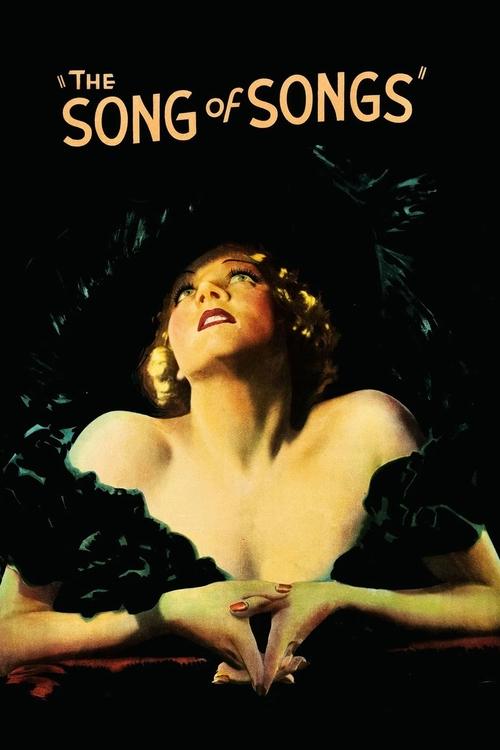
1933
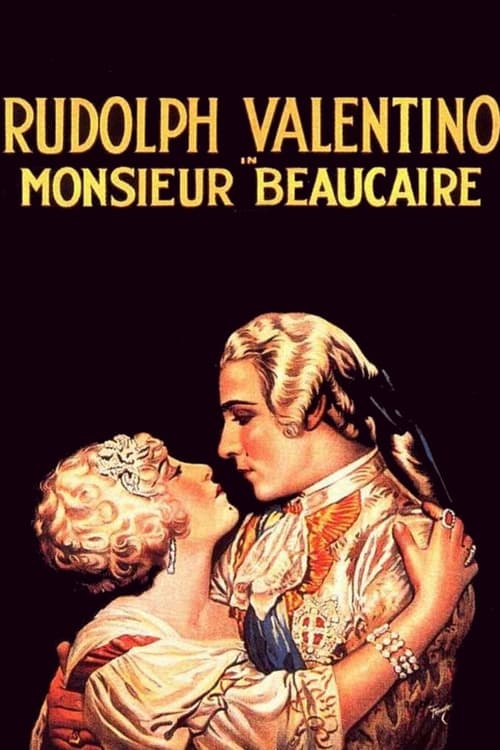
1924
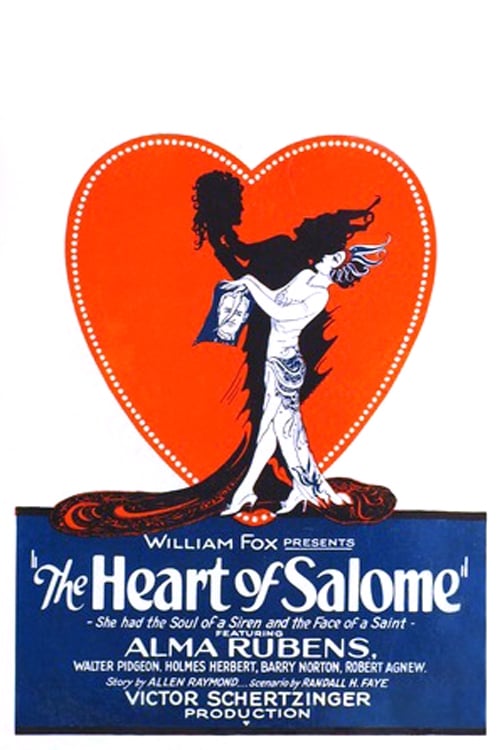
1927

1915
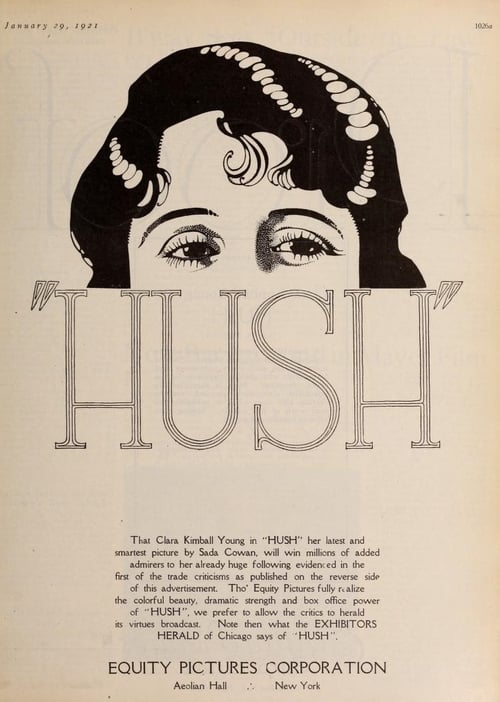
1921
1925
1944
No reviews yet. Be the first to share your thoughts on this movie!
Use the rating form above to leave a star rating and optional review.