
Women and War
1961
No user ratings available yet
Representation score: 2.9 out of 10
Representation Score
Fair
1960
NRDirector
Martin Ritt
Runtime
115 minutes
Average Rating
No ratings yetNew Showbiz Analysis
Martin Ritt’s film is a progressive departure from mid-century cinematic conventions, particularly through its sophisticated treatment of women's ability to drive the story. By centering a communal, female-driven survival strategy, the film disrupts the era's standard clichés of submissive femininity and male-centric leadership. The production excels in its cultural grounding, using a predominantly Latina cast to explore localized power dynamics in a Mexican village. This provides a necessary departure from the homogeneous Western narratives common in 1960s cinema. While the film lacks representation for LGBTQ+ identities or disabilities, its critique of traditionalist social institutions and its subversion of the 'damsel in distress' cliché result in a strong overall impact.
Category Breakdown
The film does not include any explicit LGBTQ+ characters or narratives. The story centers on the interpersonal dynamics and survival of the female protagonists within a traditional social framework.
This drama subverts traditional hierarchies by giving women significant roles. Instead of passive victims, the protagonists actively resist a predatory, male-dominated social order.
Set in a remote Mexican village, the film features a predominantly Latina cast. This emphasis on a non-Anglo-Saxon environment provides a nuanced departure from typical 1960s Western narratives.
The narrative critiques traditional social norms and oppressive patriarchal authority. It portrays the women's actions as necessary responses to systemic injustice and local power structures.
There are no prominent depictions of visible or invisible disabilities. No characters with disabilities serve as central plot devices or primary character arcs.
Present on Screen
Limited or Absent
Official Synopsis
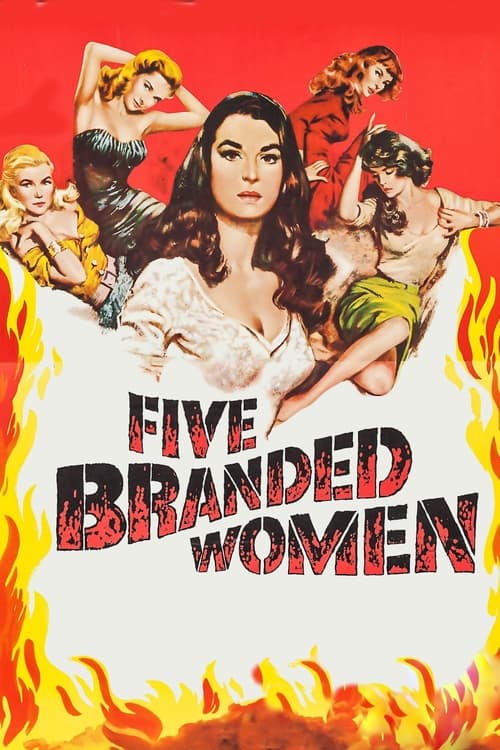
Five Yugoslav women who consorted with the German occupiers are publicly humiliated and banished by the Yugoslav partisans but they take up arms to fend for themselves.
1961

1960

1971

1945
1966

1965
1964
1973
No reviews yet. Be the first to share your thoughts on this movie!
Use the rating form above to leave a star rating and optional review.