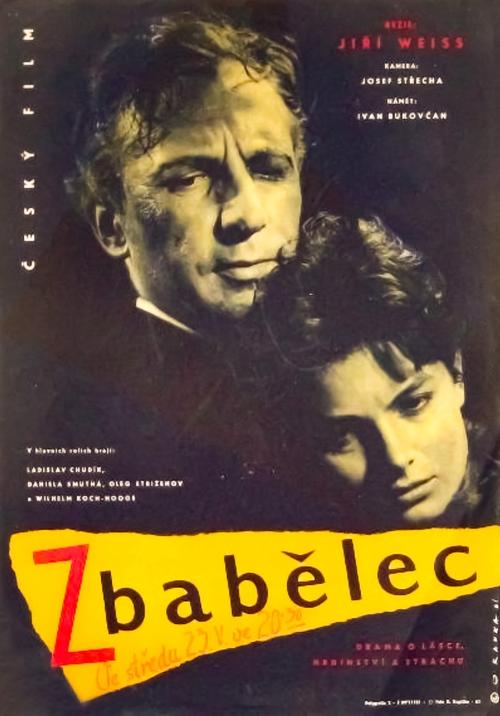
The Coward
1962
No user ratings available yet
Representation score: 3.9 out of 10

Representation Score
Fair
1960
Director
Jiří Weiss
Runtime
92 minutes
Average Rating
No ratings yetNew Showbiz Analysis
Jiří Weiss’s drama places a underrepresented Jewish identity at the center of a high-stakes survival story. Instead of portraying the Holocaust solely through a lens of victimhood, the film grants its protagonist a significant role in driving the story, challenging the homogeneity of the wartime setting. The film’s strength lies in its moral complexity and its critique of systemic oppression. It explores the tension between individual morality and oppressive state structures. However, the film does not engage with broader multi-layered categories such as LGBTQ+ identities or disabilities.
Category Breakdown
The film focuses on a heterosexual relationship between Pavel and Hana. There is no clear indication of queer-coded subtext or non-cisgender identities.
Hana is a central character whose survival drives the plot. Her actions create tension and conflict, rather than serving as a traditional nurturer.
The story highlights the intersection of Czech and Jewish identities. By giving Hana a significant role in driving the story, the film explores ethnic survival during the Holocaust.
The film critiques systemic oppression under German occupation. It portrays political institutions as corrupt and violent, emphasizing individual survival over state-mandated order.
There are no depictions of physical or neurodivergent disabilities that affect the narrative.
Present on Screen
Limited or Absent
Official Synopsis
Pavel, a young student living in Prague in 1942, hides a Jewish girl in his apartment building's attic. Amidst the brutality of the occupying German army, love blossoms between the two. He is her only link to the outside world. Then the two are discovered by Pavel's mother, who forces the residents of the apartment building to decide whether Hana can remain.
1962

1965
1959

1960

1995

1959

1965

2024
No reviews yet. Be the first to share your thoughts on this movie!
Use the rating form above to leave a star rating and optional review.