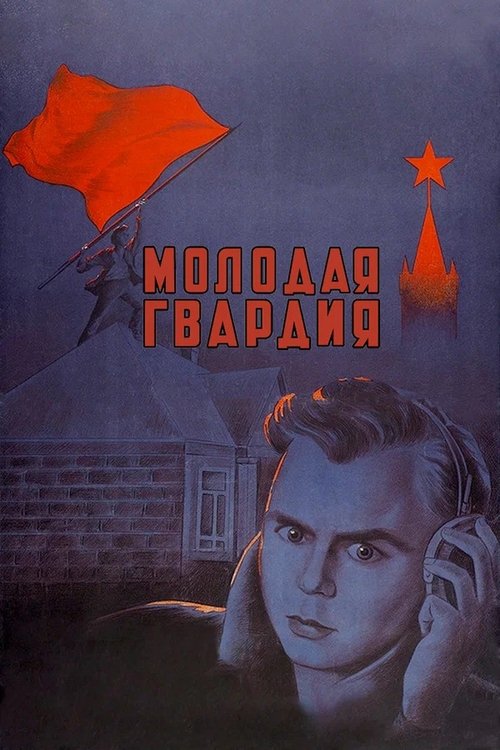
The Young Guard
1948
No user ratings available yet
Representation score: 3.9 out of 10
Representation Score
Fair
1959
Director
François Villiers
Runtime
95 minutes
Average Rating
No ratings yetNew Showbiz Analysis
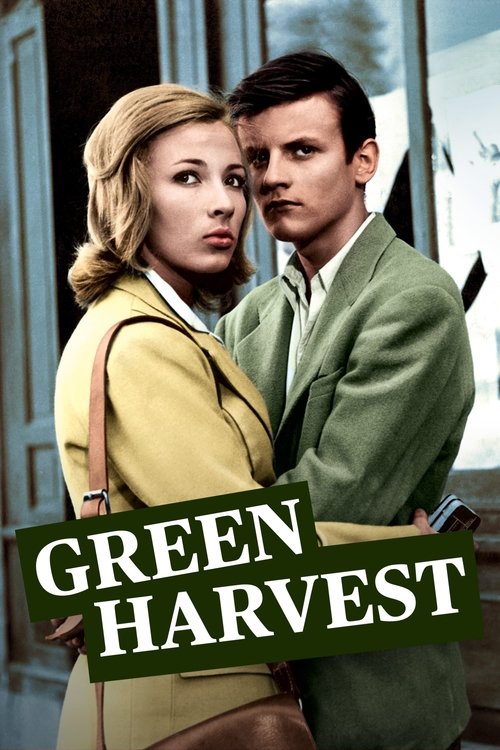
Green Harvest is a mid-century war drama that excels in its thematic critique of systemic oppression. By focusing on high school students resisting Nazi occupation, the film challenges rigid military hierarchies and institutional corruption. However, the film adheres to a traditional narrative structure that lacks the complexity of intersecting identities. The narrative is primarily focused on the immediate political conflicts of the era, leaving little room for diverse demographic representation. Ultimately, while the film succeeds as a study of situational ethics and courage, it remains limited by the demographic realities and storytelling conventions of 1959.
Category Breakdown
The film does not include any explicit representation of LGBTQ+ characters or identities that challenge the assumption that everyone is straight. There is no visible representation of LGBTQ+ individuals within the narrative.
The story revolves around student-led rebellion, which can disrupt traditional leadership roles. However, the film does not provide specific character arcs that highlight women's roles or challenge traditional gender stereotypes.
The narrative focuses on the ethnic tensions during the 1943 Nazi occupation. It addresses systemic oppression but centers on local resistance movements rather than featuring a diverse cast of characters from various ethnic backgrounds.
The film strongly critiques oppressive state institutions and the Nazi police apparatus. It emphasizes themes of anti-authoritarianism and the moral complexities involved in resistance.
There is no mention of characters with visible or invisible disabilities in the narrative.
Present on Screen
Limited or Absent
Official Synopsis
In 1943, a group of high school students decide to take action against the Nazi occupying forces. Showing courage and imagination, they manage to blow up the Kommandantur and to release hostages. But after the killing of a German soldier the Nazi police apparatus strikes back. The young resisters are arrested and two of them are condemned to death.
1948
1945
1960
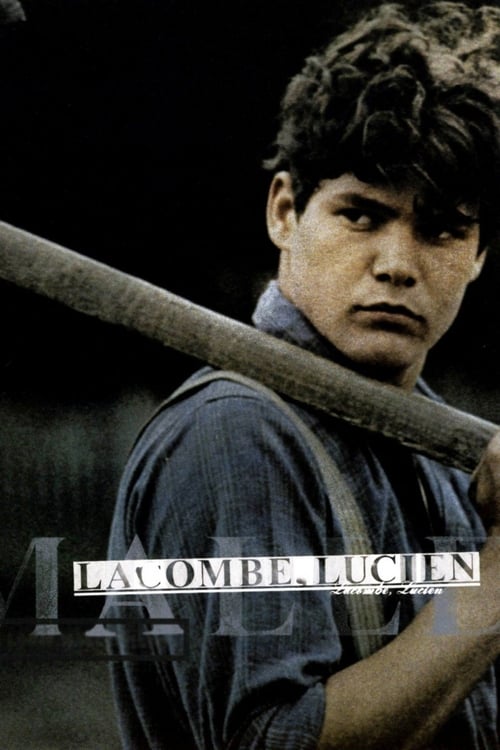
1974
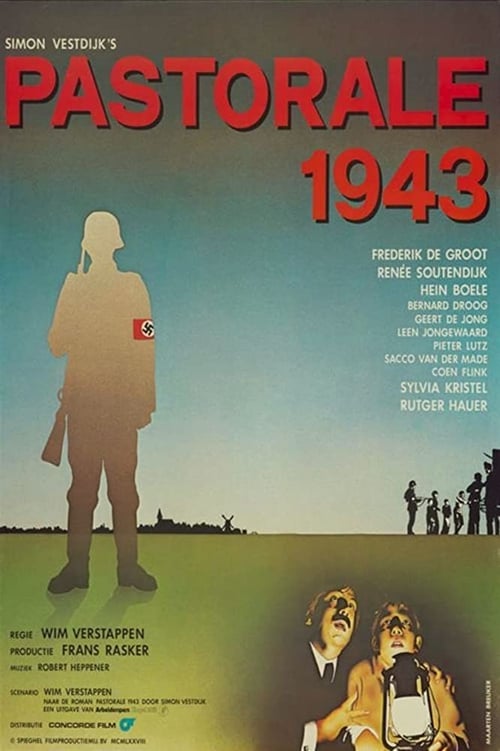
1978
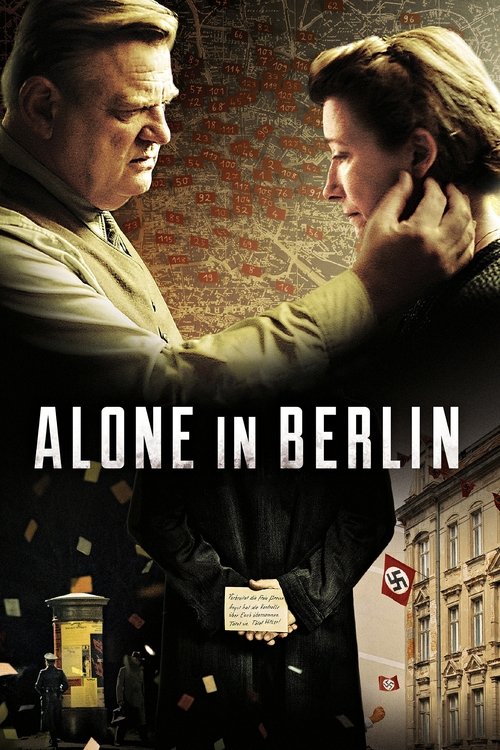
2016
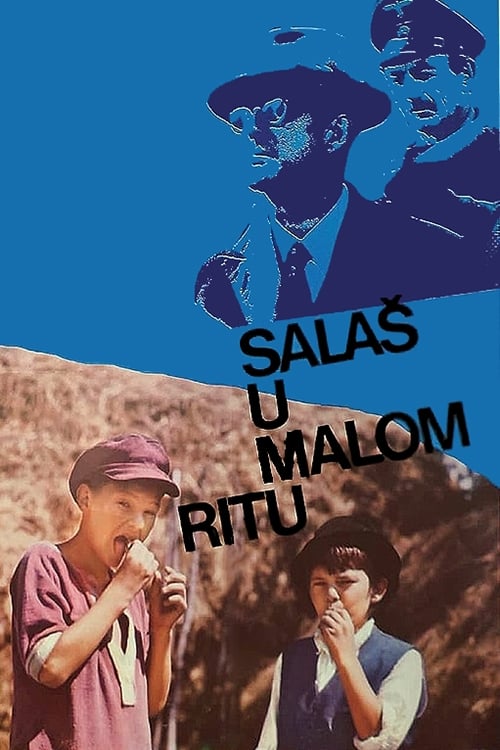
1976
1991
No reviews yet. Be the first to share your thoughts on this movie!
Use the rating form above to leave a star rating and optional review.