Toyland
2007
No user ratings available yet
Diversity score: 6.7 out of 10
2020
NRDirector
Ben Cookson
Runtime
109 minutes
Average Rating
No ratings yetSynopsis
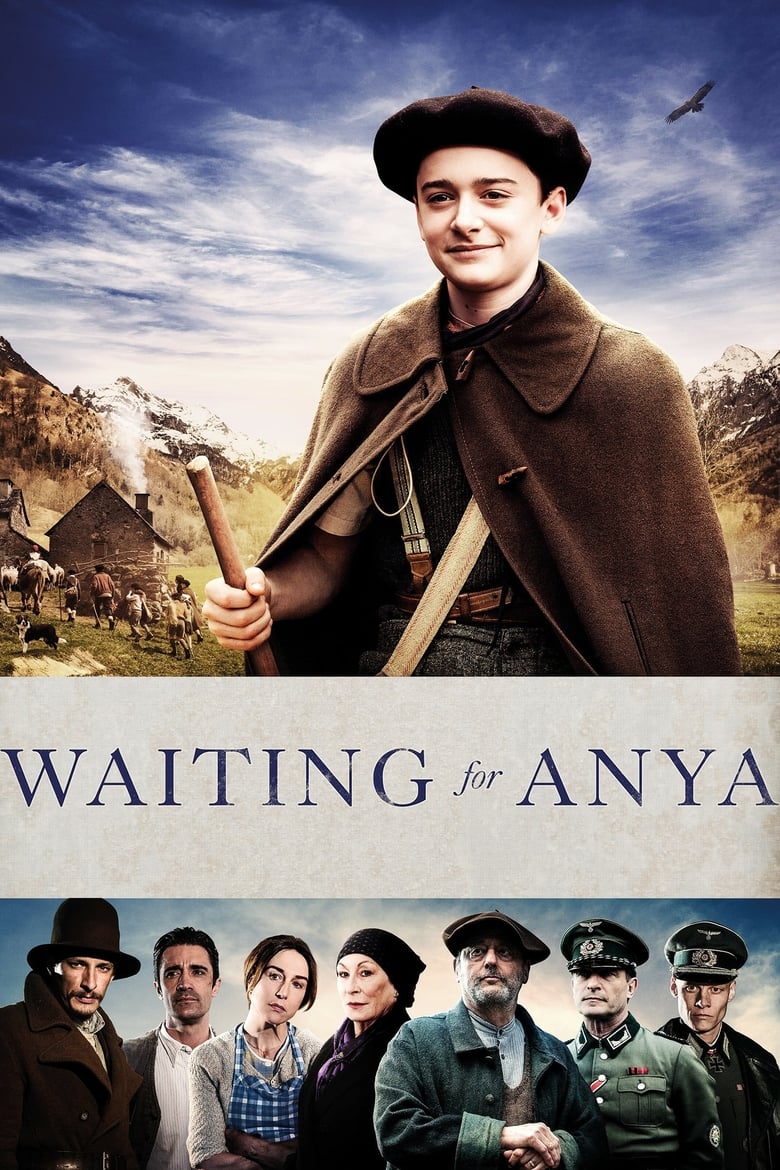
During the harrows of WWII, Jo, a young shepherd along with the help of the widow Horcada, helps to smuggle Jewish children across the border from southern France into Spain.
Overall Score
Good
Category Breakdown
LGBTQ+ Representation
The film lacks explicit depictions of queer identities or non-heteronormative relationships. While the fractured social setting of wartime France offers potential for such narratives, no specific queer character arcs are present.
Gender Representation
Female agency is a central pillar of the story, particularly through the character of Horcada. By casting a widow as a logistical leader in the resistance, the film avoids passive wartime tropes.
Racial & Ethnic Diversity
The narrative centers on the survival and agency of Jewish children during the Holocaust. This focus highlights the intersection of ethnic identity and the vulnerability caused by systemic oppression.
Religious & Cultural Diversity
The film critiques state-sanctioned violence by prioritizing humanitarianism over nationalistic duty. It frames established political institutions as oppressive forces that must be evaded to protect the vulnerable.
Disability Representation
There is no evidence of physical or neurodivergent disability representation within the narrative.
Strengths
Areas for Improvement
AI Analysis
Waiting for Anya is a humanitarian drama that finds its strength in centering marginalized groups against the backdrop of systemic collapse. By focusing on the survival of Jewish children and the leadership of female resistance figures, the film actively challenges traditional wartime power dynamics. The narrative succeeds in subverting conventional gender hierarchies and provides a meaningful critique of institutionalized oppression. It prioritizes individual morality and the protection of ethnic minorities over state loyalty. However, the film's impact is limited by a lack of visible LGBTQ+ representation and no discernible focus on disability. While the historical context provides a rich landscape for diverse stories, the current character arcs remain focused on ethnic and gendered resistance.
2007
1974
1960

2004

2017

1970

2003
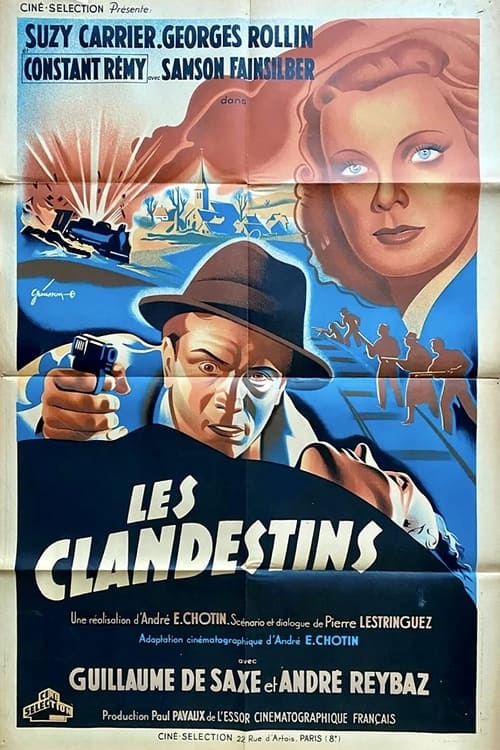
1946
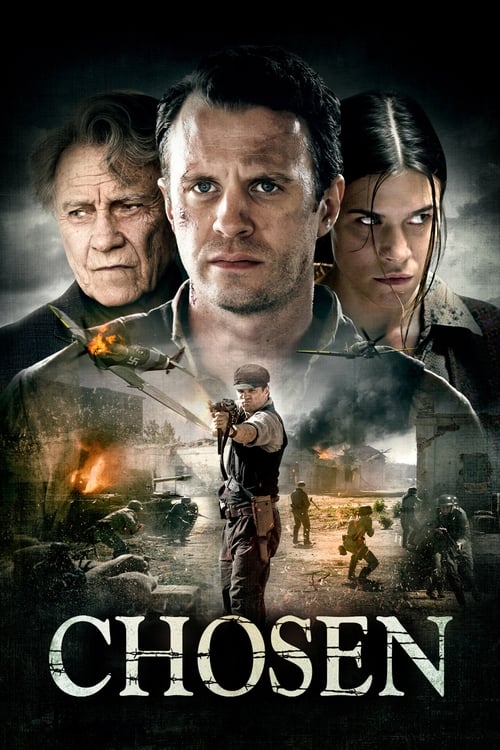
2016
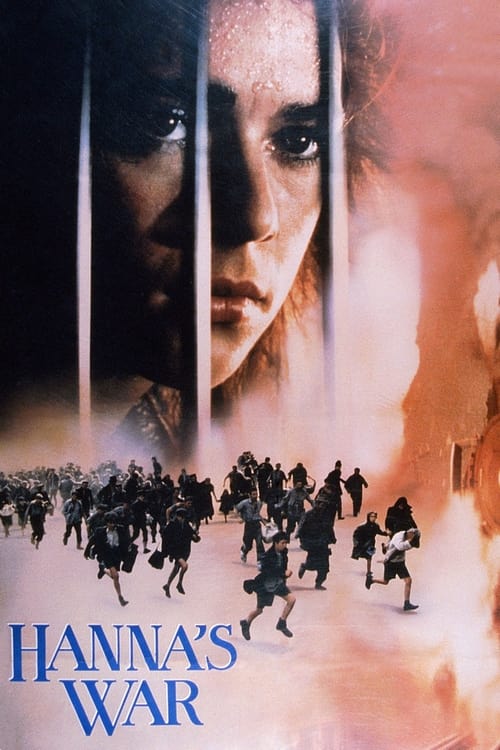
1988
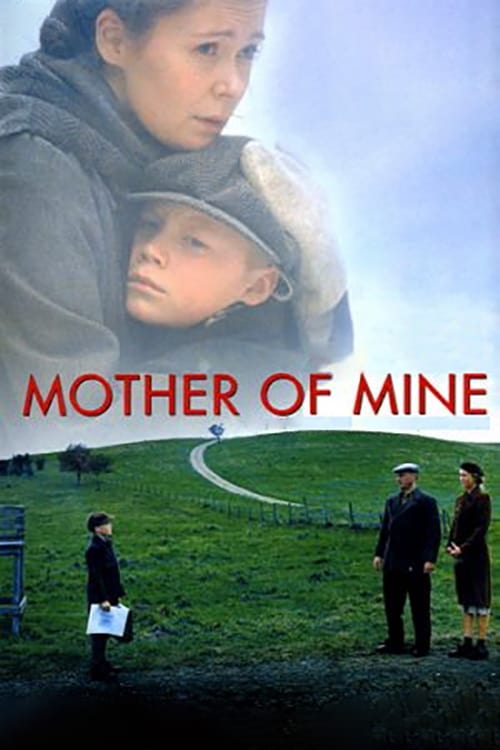
2005
1960
No reviews yet. Be the first to share your thoughts on this movie!
Use the rating form above to leave a star rating and optional review.